
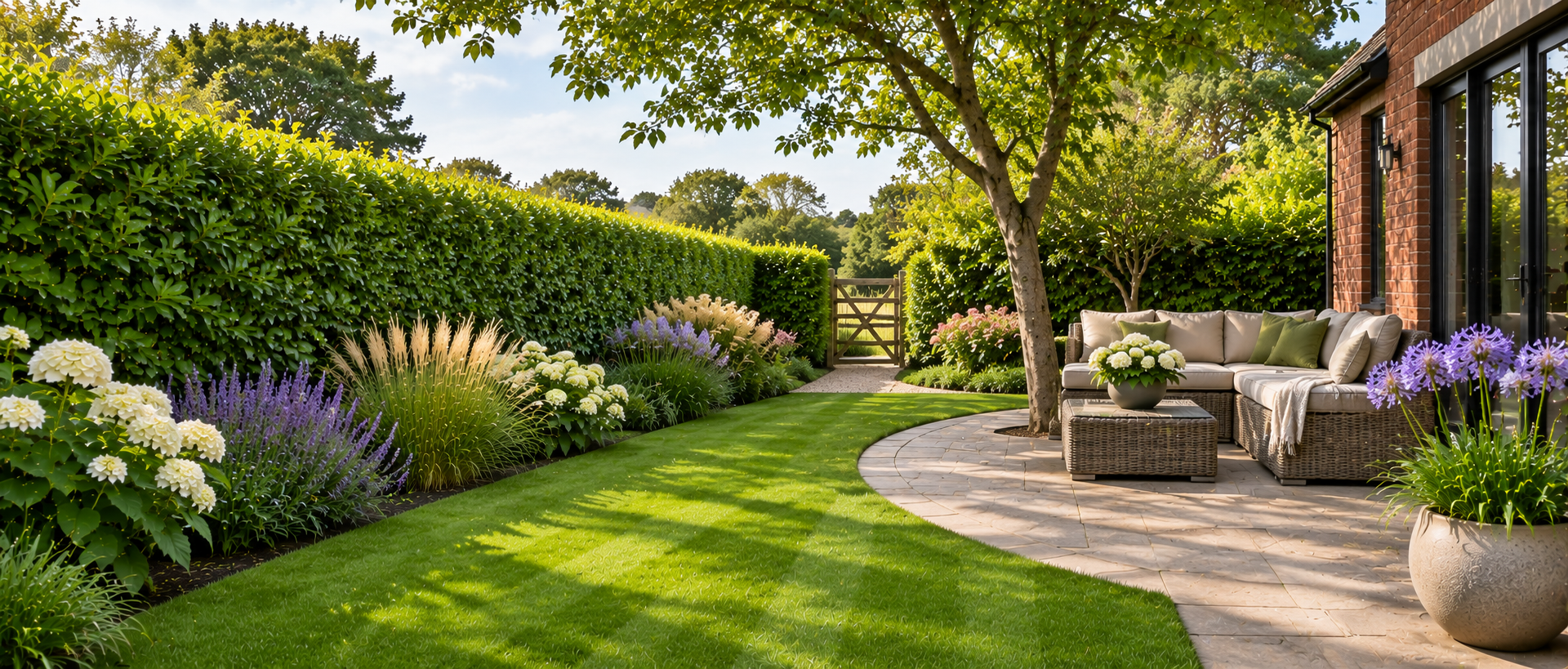
Hedging Plants & Professional Hedge Planting in Wirral
Evergreen, deciduous and native hedging for established gardens, formal boundaries, residential privacy and coastal properties throughout the Wirral.
Landscaping Emporium supplies hedging plants for residential gardens and landscaping projects across the Wirral, including Heswall, West Kirby, Hoylake, Caldy, Bebington and Bromborough.
The Wirral's landscape ranges from sheltered inland gardens to properties exposed to winds from the Dee and Mersey estuaries and the Irish Sea. These differences influence which hedging species will establish successfully.
Whether you are creating a formal evergreen boundary, replacing an established hedge, screening a neighbouring property or planting a natural countryside hedgerow, the right choice depends on the individual garden.
We supply bare-root, rootballed and container-grown hedging, with professional planting available for suitable projects.
For additional local advice, explore our Heswall Hedging Guide or our wider Merseyside Hedging Guide.
Selected by designers. Installed by professionals.
Hedging for the Wirral's Varied Garden Landscapes
The Wirral has a broad range of residential settings, from traditional properties with established gardens to contemporary homes requiring privacy and structured planting.
Formal evergreen hedging can complement substantial gardens, while more compact properties often benefit from carefully maintained boundaries that provide privacy without occupying excessive space.
Formal Residential Gardens
Clipped evergreen and deciduous hedging to complement traditional architecture, garden entrances and structured landscapes.
Contemporary Outdoor Living
Privacy screening around patios, dining terraces, garden rooms and neighbouring boundaries.
Coastal & Estuary Gardens
Planting selected with consideration for wind, salt exposure and local ground conditions.
Rural Boundaries
Native hedging for countryside properties, wildlife habitat and natural garden boundaries.
Formal Evergreen Hedging for Established Wirral Gardens
Established gardens in areas such as Caldy, Heswall and parts of West Kirby may benefit from formal hedging that provides structure around lawns, terraces, driveways and mature planting.
English Yew for Formal Structure
English Yew is a traditional choice for dense, clipped evergreen hedging. It can be maintained in a relatively formal shape where the planting position provides suitable soil moisture and drainage.
Portuguese Laurel for Elegant Boundaries
Portuguese Laurel offers glossy evergreen foliage, reddish stems and a refined appearance when maintained as a hedge in suitable sheltered conditions.
Beech & Hornbeam for Seasonal Character
Beech and Hornbeam provide traditional deciduous hedging with seasonal interest. Beech may retain copper-brown leaves through winter, particularly when regularly clipped.
Garden Rooms & Internal Boundaries
Lower hedges can divide garden spaces without creating a completely enclosed or heavily built environment. They can frame seating areas, pathways and ornamental borders.
Consider the Maintained Width
Formal hedging needs sufficient growing space and access for regular trimming. Consider the eventual maintained dimensions before choosing the planting position.
For more advice on established residential gardens, visit our Heswall Hedging Guide .
Hedging for Coastal Gardens on the Wirral
Gardens close to the coast or estuaries can experience strong winds, airborne salt and increased moisture loss. Exposure varies significantly according to the position of the property, existing buildings and surrounding vegetation.
West-Facing Coastal Gardens
Some locations around West Kirby and Hoylake can be particularly exposed to prevailing winds. Species selection should reflect the actual level of shelter.
Wind-Filtering Boundaries
A suitable living hedge can help filter wind and improve conditions within a garden. Hedge density, height and orientation influence its effectiveness.
Salt-Tolerant Options
Griselinia, Elaeagnus and certain Escallonia may be considered for suitable coastal sites, subject to the precise species, soil and exposure.
Sheltered Locations
Gardens protected from direct salt-laden winds may support traditional species such as Yew, Portuguese Laurel, Beech or Hornbeam where soil conditions are appropriate.
Do Not Select by Distance from the Sea Alone
A sheltered garden near the coast can have very different growing conditions from an exposed property further inland. Assess the planting position before choosing a hedge.
Choosing Hedging for the Wirral's Variable Soils
Ground conditions across the Wirral are not uniform. Individual gardens may contain heavier moisture-retentive soils, lighter coastal ground, made-up soil or compacted areas resulting from building work.
Heavier Soils
Hornbeam can be suitable for many heavier soils where drainage remains adequate. Persistent waterlogging should be investigated before planting.
Freely Draining Ground
Lighter soils can dry rapidly during warm or windy weather. Establishment watering and appropriate mulching are particularly important.
Compacted Ground
Garden renovation and construction may leave compacted soil, buried rubble or restricted rooting conditions. These problems should be addressed before planting.
Established Tree Roots
Large trees can compete with new hedging for moisture and nutrients. Planting methods should avoid unnecessary damage to important existing roots.
Popular Hedging Plants for Wirral Gardens
The following six species provide options for formal evergreen boundaries, residential screening, traditional gardens and native planting. Suitability depends on the individual site.

English Yew
Dense evergreen hedging for formal garden boundaries and year-round privacy where drainage is suitable. Highly toxic if eaten, particularly to horses.
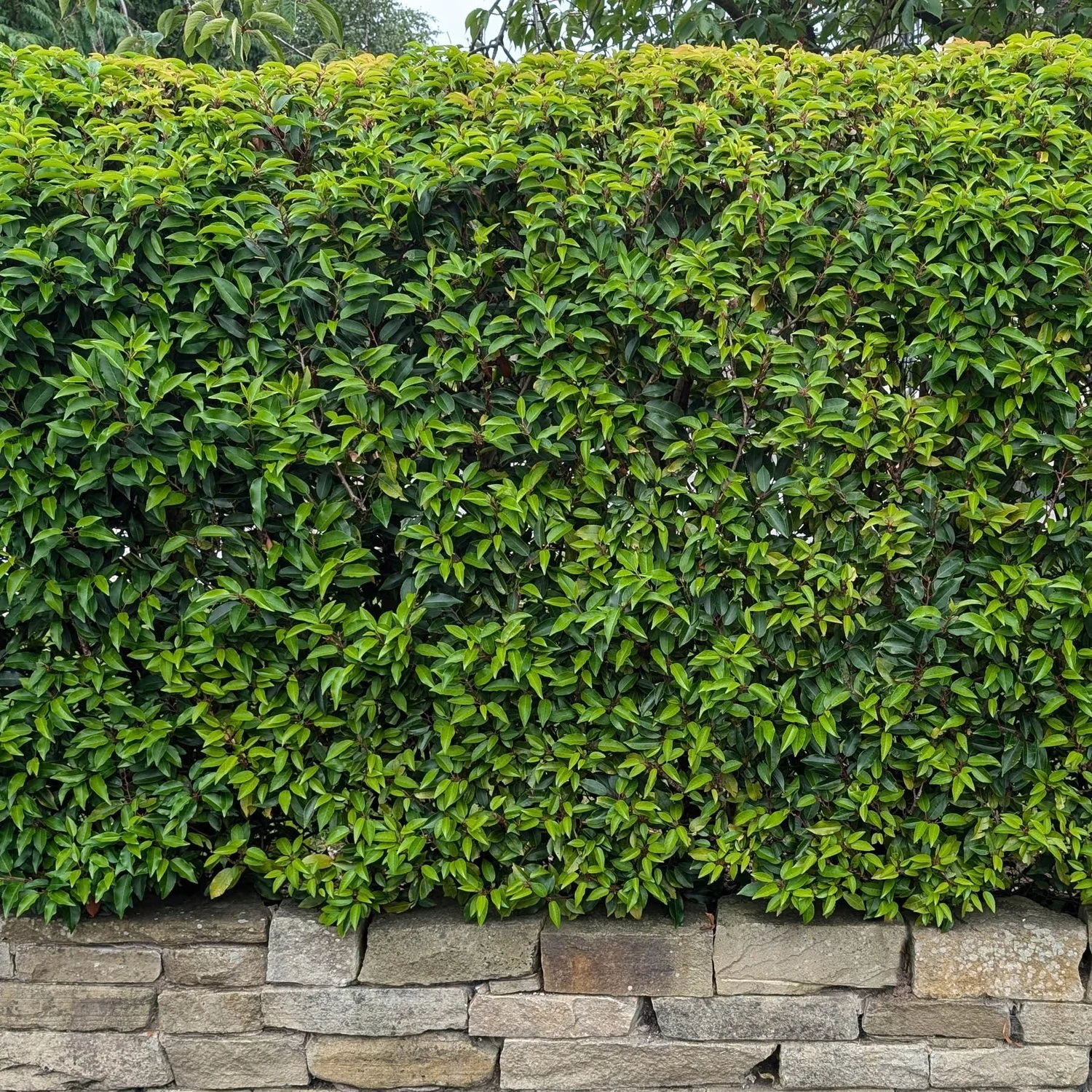
Portuguese Laurel
Evergreen hedging with attractive glossy foliage and reddish stems for formal residential boundaries in suitable sheltered gardens. Toxic if eaten.
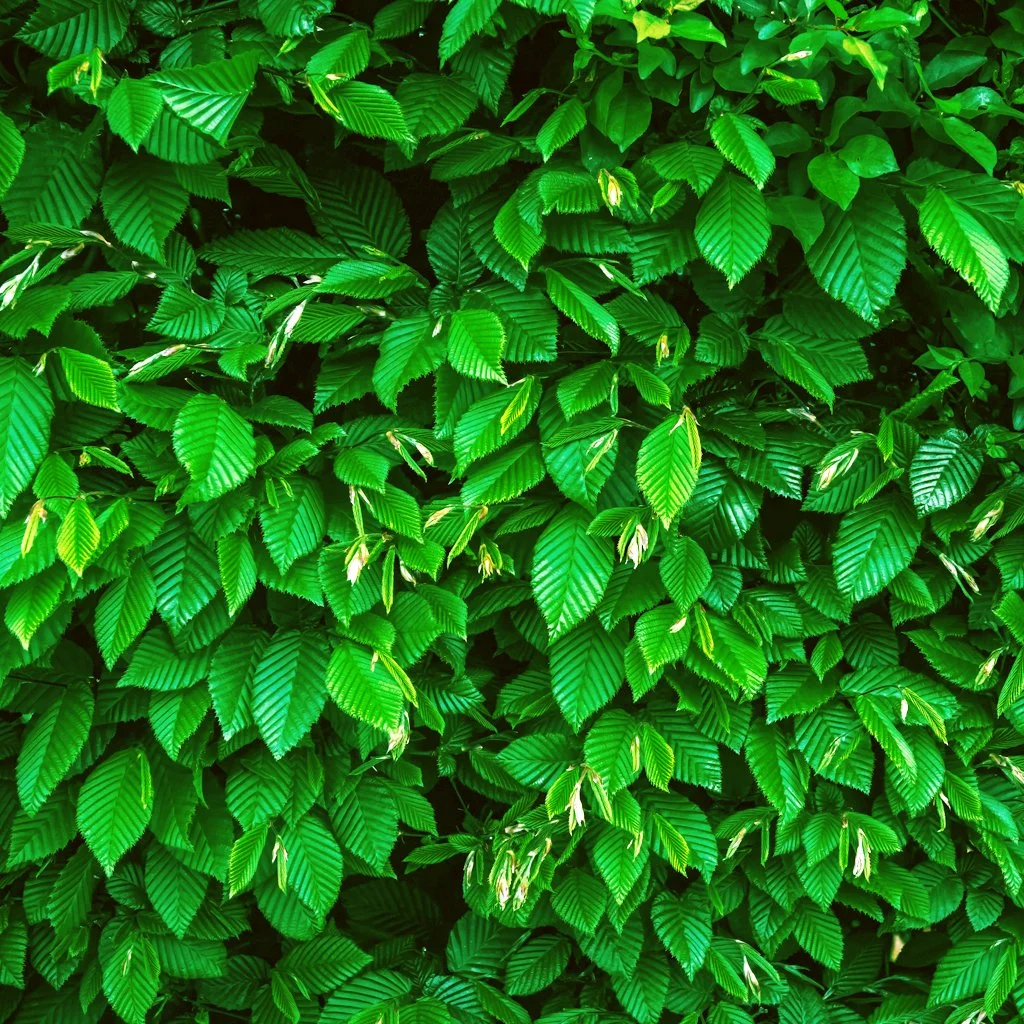
Hornbeam
Traditional deciduous hedging that tolerates many heavier soils where drainage remains adequate. Suitable for formal or informal garden boundaries.
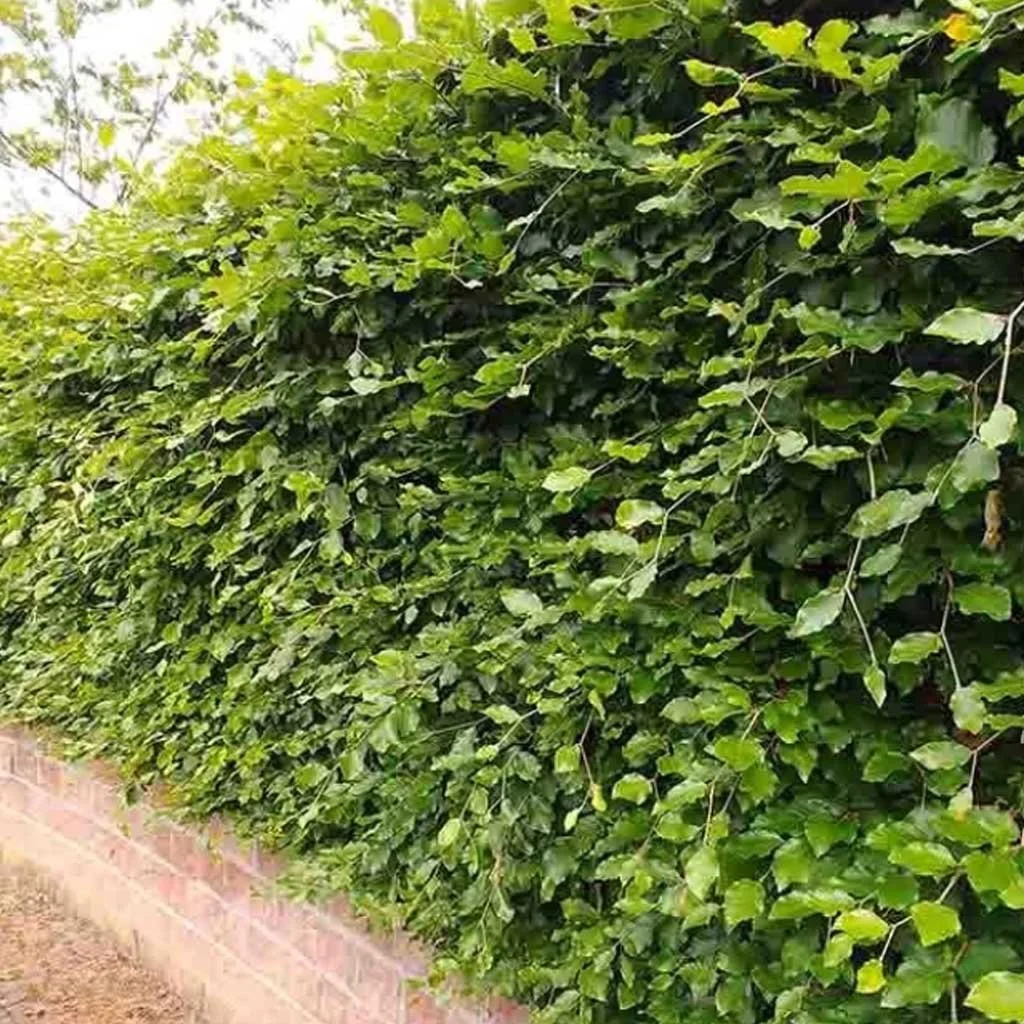
Green Beech
Classic clipped deciduous hedging with seasonal colour and possible copper-brown winter leaf retention. Best in suitable well-drained ground.
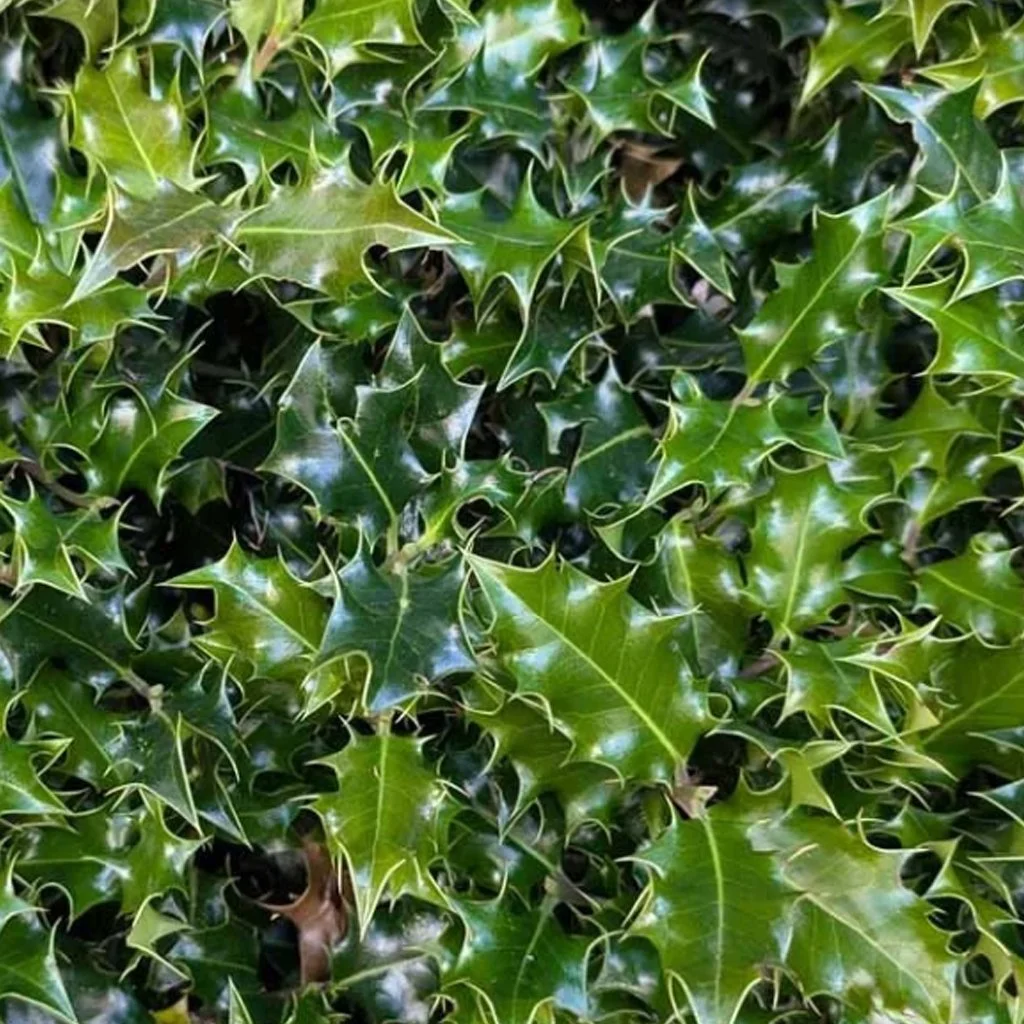
English Holly
Native evergreen hedging with often-spiny foliage, year-round structure and wildlife value. Tolerates some shade in suitable conditions.
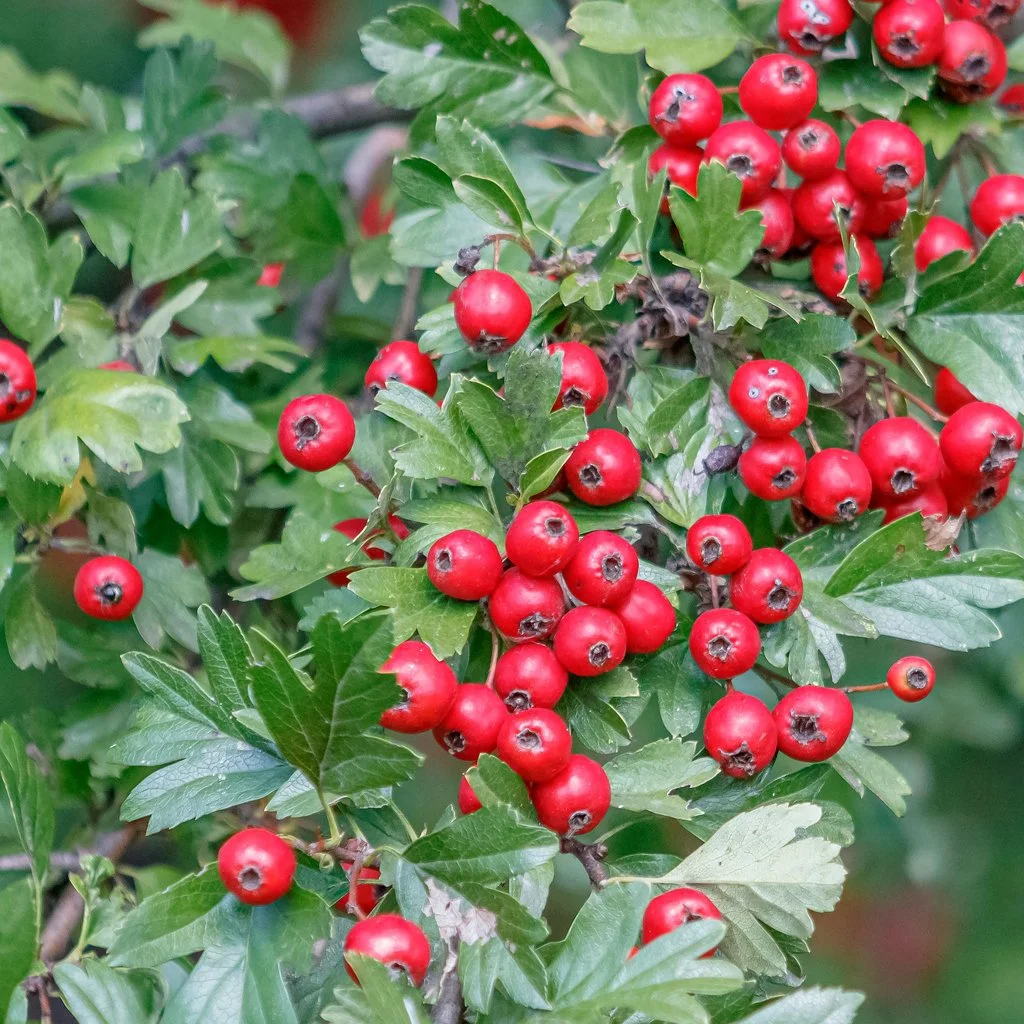
Hawthorn
Native deciduous hedging with spring blossom, autumn berries and thorny growth. Useful for traditional rural boundaries and wildlife-friendly planting.
Plant sizes, stock types and availability vary according to species and season. These six plants are not all suitable for direct coastal exposure.
Evergreen Privacy Hedging for Wirral Homes
Evergreen hedging can create a living boundary that provides year-round screening while softening walls, fences and neighbouring properties.
Privacy Around Patios
Hedging can provide enclosure around outdoor dining areas, terraces and garden seating spaces.
Screening Neighbouring Properties
The appropriate hedge height depends on the position of overlooking windows, the boundary and the specific area requiring privacy.
Maintaining a Manageable Width
For narrower residential gardens, consider how much space the hedge will occupy once established and trimmed.
Privacy with Garden Structure
Evergreen hedging can also form garden rooms, define paths and provide a background to ornamental planting.
Replacing & Renovating Established Hedges on the Wirral
Mature gardens may contain hedges that have become overgrown, uneven or unsuitable for their available space. Before replacing an existing hedge, consider whether appropriate renovation could restore its appearance.
Investigating Hedge Decline
Poor drainage, drought, disease, root competition, inappropriate pruning and unsuitable growing conditions can contribute to decline.
Preparing the Replacement Area
Check the soil, remaining roots, drainage and available rooting space before planting a new hedge.
Choosing a Long-Term Replacement
Select species according to the desired maintained height and width, exposure and ongoing maintenance.
Protecting Wildlife
Check for active nesting birds and any relevant legal restrictions before hedge removal or major pruning.
Native Hedging for Rural Wirral Boundaries
Rural and semi-rural areas of the Wirral may benefit from native hedgerow planting where wildlife value, natural appearance and traditional boundaries are priorities.
Hawthorn
Hawthorn is a traditional native hedgerow plant with spring blossom, autumn berries and thorny growth.
Mixed Native Hedgerows
Depending on the site, suitable mixtures may include Hawthorn, Hazel, Field Maple and Blackthorn.
Blackthorn can spread by suckering and may not be suitable for confined residential gardens.
Wildlife Benefits
Native hedgerows provide nesting habitat, shelter and seasonal food for wildlife.
Protected Hedgerows
Some countryside hedgerows are legally protected. Check applicable requirements before removal or substantial alteration.
Livestock Safety
Where animals have access to hedging, check plant toxicity and appropriate boundary protection. English Yew is highly toxic if eaten.
Bare-Root, Rootballed & Container-Grown Hedging
Bare-Root Hedging
Generally available during the dormant season and often economical for longer boundaries.
Rootballed Hedging
Available in selected species and sizes, generally from mid-October to late April, weather permitting.
Container-Grown Hedging
Offers greater flexibility in planting dates, subject to ground conditions and aftercare.
Larger Hedging Plants
May provide earlier screening but require suitable handling, access and establishment care.
How Many Hedging Plants Will I Need?
Plant quantities depend on the boundary length, species, supplied size and recommended planting density.
Some rootballed hedging specifications use approximately three plants per linear metre.
For example, a 20-metre boundary planted at three plants per metre would require approximately 60 plants.
Bare-root spacing varies according to plant size and whether a single or staggered row is used.
How Much Does Hedge Supply & Planting Cost on the Wirral?
The cost of a new hedge depends on species, supplied size, quantity, site preparation and installation requirements.
Species & Plant Size
Different species, heights and stock types have different nursery and handling costs.
Hedge Length
Boundary length and planting density determine the number of plants required.
Ground Preparation
Compaction, drainage, existing roots and soil improvement can affect installation costs.
Access & Handling
Restricted access and larger plants may require additional labour or equipment.
Coastal Site Considerations
Exposed properties may require additional attention to species selection, wind protection and watering.
Established Gardens
Existing planting, structures and mature tree roots may influence the method of installation.
Site-Specific Quotations
A quotation based on the actual site and planting specification is more reliable than assuming a fixed installation cost per metre.
Aftercare for Newly Planted Hedging on the Wirral
Watering
Monitor moisture within the root zone throughout establishment, particularly during dry or windy weather.
Mulching
Suitable mulch can help conserve moisture and reduce weed competition. Keep mulch clear of plant stems.
Weed Control
Maintain a reasonably weed-free planting strip to reduce competition for water and nutrients.
Drainage
Investigate persistent waterlogging and ensure the selected species is suitable for the site.
Windrock
Check larger newly planted hedging for movement after strong winds, particularly in exposed gardens.
Root Competition
Hedging near mature trees may need closer monitoring during establishment.
Formative Pruning
Appropriate early pruning encourages dense growth. Timing and technique depend on the species.
Establishment Is Essential
Even larger rootballed hedging needs careful watering and monitoring while roots establish.
Professional Hedge Supply & Planting Across the Wirral
Landscaping Emporium works alongside Kirman Design to offer professional hedge supply and planting for suitable projects across the Wirral.
Depending on the agreed specification, services may include plant selection, quantity calculations, delivery, ground preparation, setting out, planting, irrigation and aftercare advice.
For coastal properties, particular attention should be given to wind, salt exposure and soil moisture. Established gardens may also require protection of mature trees and existing landscape features.
Request a Planting Quotation
Please provide your postcode, approximate hedge length, preferred supplied height, photographs of the planting area and details of access.
Learn more about our professional hedge supply and planting service .
Hedging Supply & Planting Throughout the Wirral
We welcome hedging supply and planting enquiries across the peninsula, including the following areas.
Heswall
Formal evergreen hedging, mature garden boundaries and residential privacy.
West Kirby
Coastal exposure, established residential gardens and privacy screening.
Hoylake
Coastal garden boundaries, wind shelter and residential hedging.
Caldy
Substantial residential gardens, formal hedging and established landscape planting.
Bebington
Evergreen privacy, replacement hedging and established residential boundaries.
Bromborough
Residential garden screening, new boundaries and practical hedging solutions.
Enquiries are also welcome from other Wirral locations, including Neston, Wallasey, Moreton, Upton, Pensby and surrounding communities.
Professional planting availability depends on project scope, location and site access.
Wirral Hedging FAQs
Which hedging plants are suitable for Wirral gardens?
Suitable species depend on soil, drainage, exposure, light and intended purpose.
Which hedge is best for a formal garden?
English Yew, Portuguese Laurel, Beech and Hornbeam may be suitable where growing conditions permit.
Which hedge provides year-round privacy?
Evergreen species such as English Yew and Portuguese Laurel can provide screening in suitable locations.
Which hedges tolerate coastal winds?
Griselinia, Elaeagnus and certain Escallonia may be considered for appropriate coastal sites.
Can I plant Yew near the coast?
Yew may suit some sheltered gardens with suitable drainage, but direct salt exposure requires careful assessment.
Which hedges grow in heavier soil?
Hornbeam tolerates many heavier soils where drainage remains adequate.
Can a hedge reduce wind exposure?
A suitable living windbreak can filter wind and improve shelter within a garden.
Can hedging screen neighbouring windows?
Hedging can provide privacy, but the required height depends on the specific sightlines.
Can I replace an existing hedge?
Yes. Assess the condition of the existing hedge, soil and any relevant wildlife restrictions first.
Which hedging plants support wildlife?
Hawthorn, Holly and suitable mixed native hedgerows provide valuable wildlife habitat.
When is bare-root hedging available?
Generally during the dormant season, subject to weather and stock availability.
When is rootballed hedging available?
Generally from mid-October to late April, weather permitting.
How many hedging plants will I need?
Quantities depend on hedge length, species, supplied size and recommended planting density.
How much does hedge planting cost on the Wirral?
Costs depend on species, size, quantity, ground preparation, access and installation.
Do you offer professional hedge planting on the Wirral?
We welcome enquiries for suitable projects, subject to location, scope and site access.
Find the Right Hedging Plants for Your Wirral Garden
The Wirral forms part of our wider Merseyside hedging supply and planting coverage.
Visit our Merseyside Hedging Guide for regional planting advice and service coverage.
For formal evergreen boundaries, substantial gardens and residential privacy, explore our Heswall Hedging Guide .
Explore our Liverpool Hedging Guide for urban and suburban garden privacy.
You can also browse our hedging plant collection , use the Hedge Selector or enquire about professional hedge planting .
Planning a New Hedge on the Wirral?
Whether you need formal evergreen hedging, residential privacy, a replacement boundary or planting for an exposed coastal garden, Landscaping Emporium can help you explore suitable options.
Telephone: 01942 604976
Email: hello@landscapingemporium.co.uk
Selected by designers. Installed by professionals.