
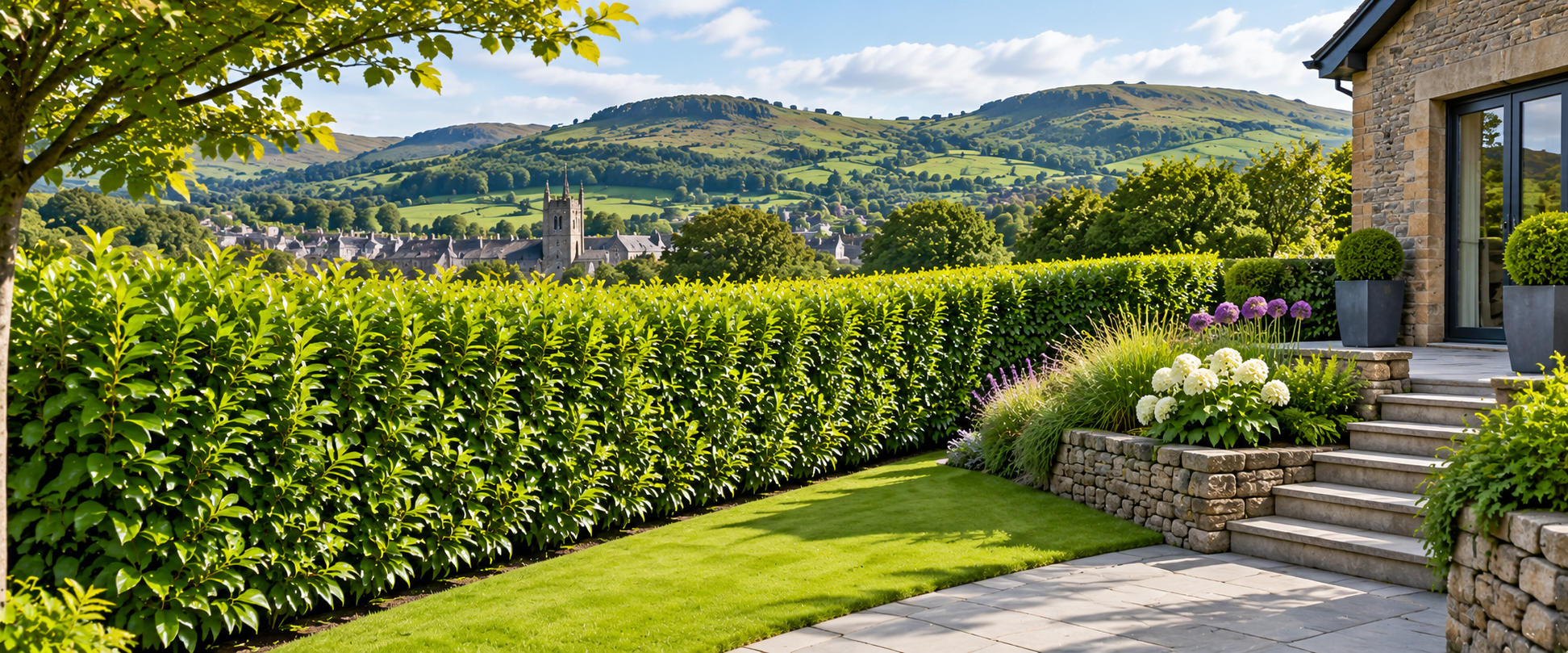
Hedging Plants & Professional Hedge Planting in Kendal
Evergreen, native and deciduous hedging for Kendal gardens, sloping properties, traditional stone houses and rural boundaries in the surrounding South Lakeland area.
Landscaping Emporium supplies hedging plants for new garden boundaries, privacy screening, replacement hedges and landscape planting. We also welcome enquiries for professional hedge supply and installation in Kendal.
Kendal's gardens range from established residential plots to hillside properties with stone walls, mature trees and changing ground levels. Rainfall, soil depth, drainage and access can vary considerably between individual sites.
Choosing suitable hedging therefore involves more than selecting an attractive species. The planting line, finished height, rooting conditions and future maintenance all influence the long-term result.
Selected by designers. Installed by professionals.
Choosing Hedging for Kendal Gardens
The conditions around Kendal are not uniform. A sheltered garden close to the town centre may provide very different growing conditions from an elevated property overlooking the surrounding countryside.
The correct hedge should be selected according to the individual planting position, rather than assuming every Kendal garden has the same soil or exposure.
Sloping Gardens
Ground levels influence the finished hedge line, soil movement, drainage and maintenance access.
Traditional Properties
Stone walls, existing paths and established boundaries can restrict planting space and influence hedge design.
Established Trees
Shade and root competition may reduce the space, moisture and nutrients available to new hedging.
Variable Drainage
Ground may be shallow and free draining in one area but compacted or wet in another, particularly near the base of a slope.
A Site-Specific Approach
Before ordering a hedge, consider the soil depth, drainage, exposure, existing structures and available space. These factors influence the species, supplied size and planting method we would recommend.
Hedging for Sloping Gardens in Kendal
Planting a hedge across a gradient requires careful setting out. The finished appearance will depend on whether the hedge follows the natural slope or is maintained to create a level-looking top.
Following the Natural Gradient
An informal hedge can follow the contours of the ground. This approach often suits rural boundaries and gardens with a natural landscape style.
Creating a Level Visual Line
A formal hedge can be maintained with a more level-looking top, but its height above ground will vary along the slope.
Water Movement and Erosion
Rainwater may move downhill and collect near the lowest part of the planting line. Soil stability and drainage need to be considered.
Installation and Maintenance
Steep ground, restricted access and retaining walls may influence plant size, installation methods and future pruning arrangements.
How High Should a Hedge Be on a Slope?
The required height depends on the viewing position. A hedge that provides privacy from one part of the garden may be insufficient from another because of the difference in ground levels.
For screening, it is useful to assess the proposed hedge from the patio, main windows and any neighbouring viewpoints that matter.
Planting Beside Retaining Walls
A hedge should not be planted in a position where excavation could undermine a wall or damage its foundations. Allow adequate rooting space and consider whether the wall affects drainage.
Planning Hedging on a Gradient?
When requesting a quotation, include photographs showing the full planting line, direction of the slope, existing walls or steps, and access to the garden.
Hedging Around Stone Walls and Established Kendal Properties
Traditional stone properties often benefit from planting that complements the existing architecture without overwhelming narrow boundaries or established garden features.
Formal clipped hedging can create a restrained backdrop to stonework, while native hedges may be appropriate where the garden connects to a rural landscape.
Allowing Space Beside Stone Walls
Planting too close to a wall can make future clipping difficult and restrict root development. The appropriate distance depends on the species, intended hedge width and the condition of the existing structure.
Working Around Mature Trees
Existing tree roots can make excavation difficult. The hedge must also compete for water, nutrients and light. Significant roots should not be damaged during ground preparation.
Choosing a Suitable Hedge Width
In smaller established gardens, a narrower clipped hedge may be more practical than a vigorous species that requires frequent reduction.
Evergreen Hedging for Privacy in Kendal
Evergreen hedging can provide year-round screening for patios, garden boundaries and neighbouring properties. The best choice depends on available space, drainage, exposure and the intended finished height.
English Yew
Taxus baccata forms dense, finely textured evergreen hedging and responds well to clipping in suitable, well-drained conditions. Highly toxic if eaten.
Portuguese Laurel
Prunus lusitanica 'Angustifolia' offers glossy evergreen foliage and an elegant appearance. It is best considered for appropriately sheltered positions. Toxic if eaten.
English Holly
Ilex aquifolium is a native evergreen species with often-spiny foliage and wildlife value. Growth can be relatively slow.
Hornbeam
Carpinus betulus is deciduous rather than evergreen, but a clipped hedge may retain some dry leaves during winter. It can suit many heavier soils with adequate drainage.
Before selecting a very tall hedge, consider the ongoing pruning work and whether the required height can be maintained safely.
Hedging for Shallow, Stony or Moisture-Retentive Ground
Gardens around Kendal may contain natural soils, imported topsoil, compacted areas or ground affected by earlier construction. The planting strip should be assessed before selecting large hedging stock.
Shallow or Stony Soil
Limited soil depth can restrict the available rooting volume. Check the ground before choosing species or supplied height.
Heavier Soil
Hornbeam may be suitable for many moisture-retentive soils, provided they are not persistently waterlogged.
Compacted Ground
Compaction can limit root development and drainage. Appropriate preparation may be required before planting.
Wet Ground
Persistent standing water requires investigation. Planting into an unsuitable waterlogged trench can lead to establishment failure.
Drainage on Sloping Sites
A slope does not guarantee free-draining soil. Water can accumulate at the base of the gradient or behind retaining structures. Inspect the proposed planting line after prolonged rainfall.
Six Hedging Plants to Consider for Kendal
These species provide a choice of formal, evergreen, deciduous and native hedging. Each should be assessed against the actual site conditions.
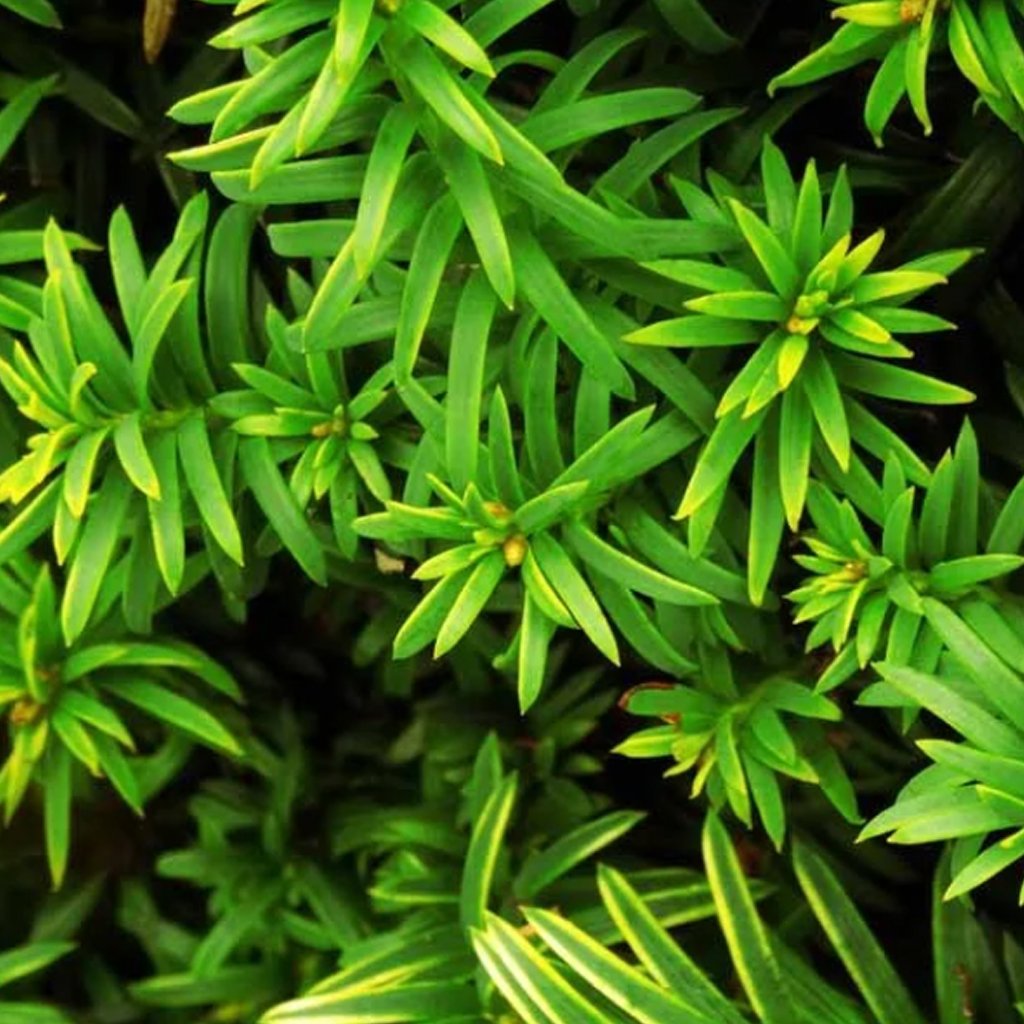
English Yew
Dense evergreen screening for formal gardens with suitable drainage. Highly toxic if eaten.
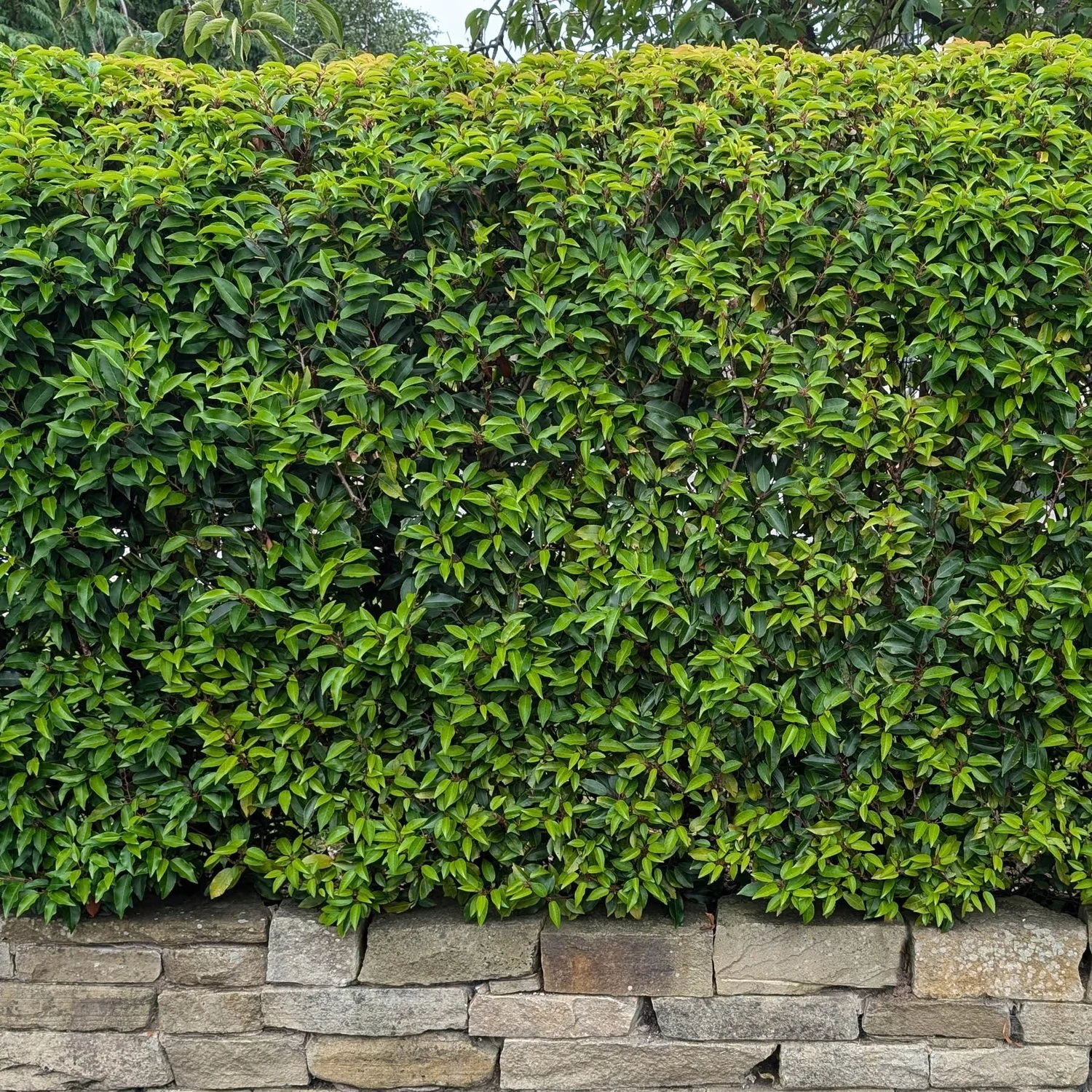
Portuguese Laurel
Elegant evergreen screening for suitably sheltered garden positions. Toxic if eaten.
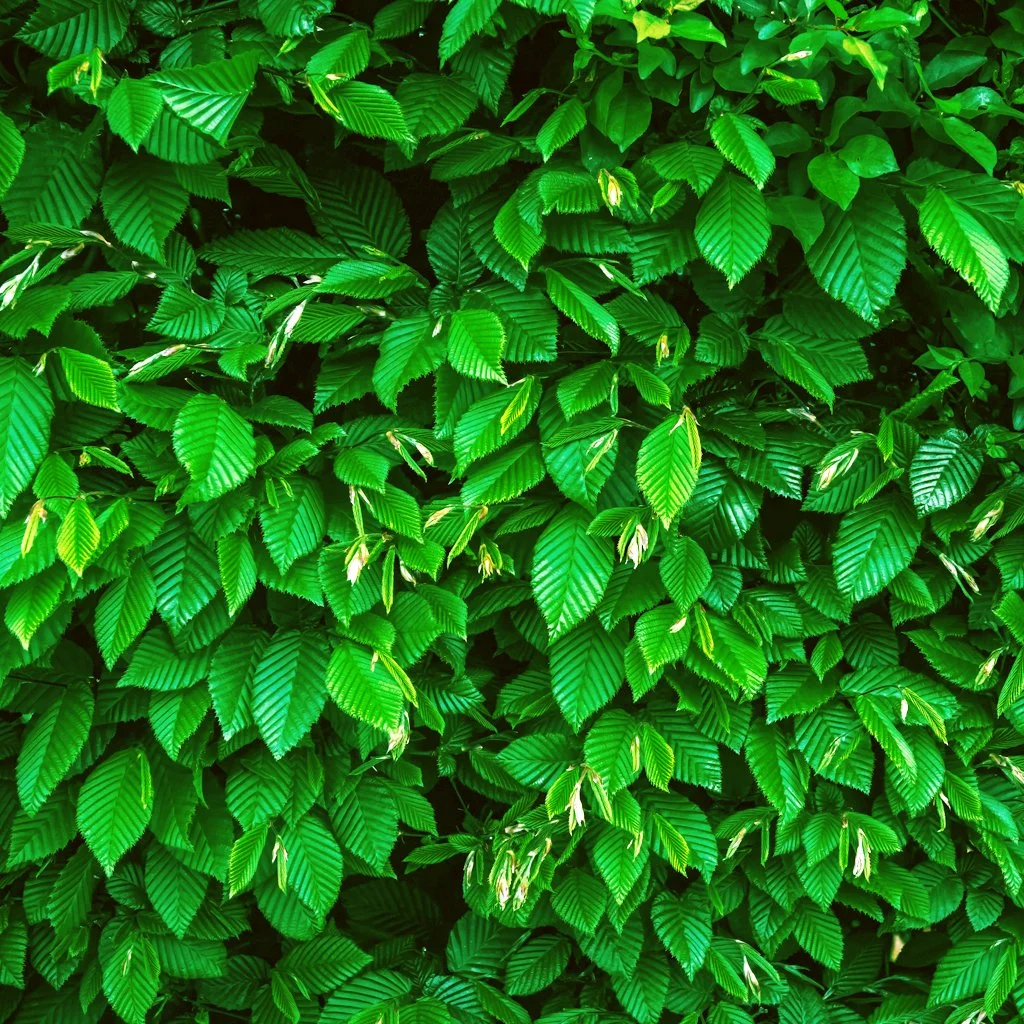
Hornbeam
Traditional deciduous hedging for many heavier soils with adequate drainage.
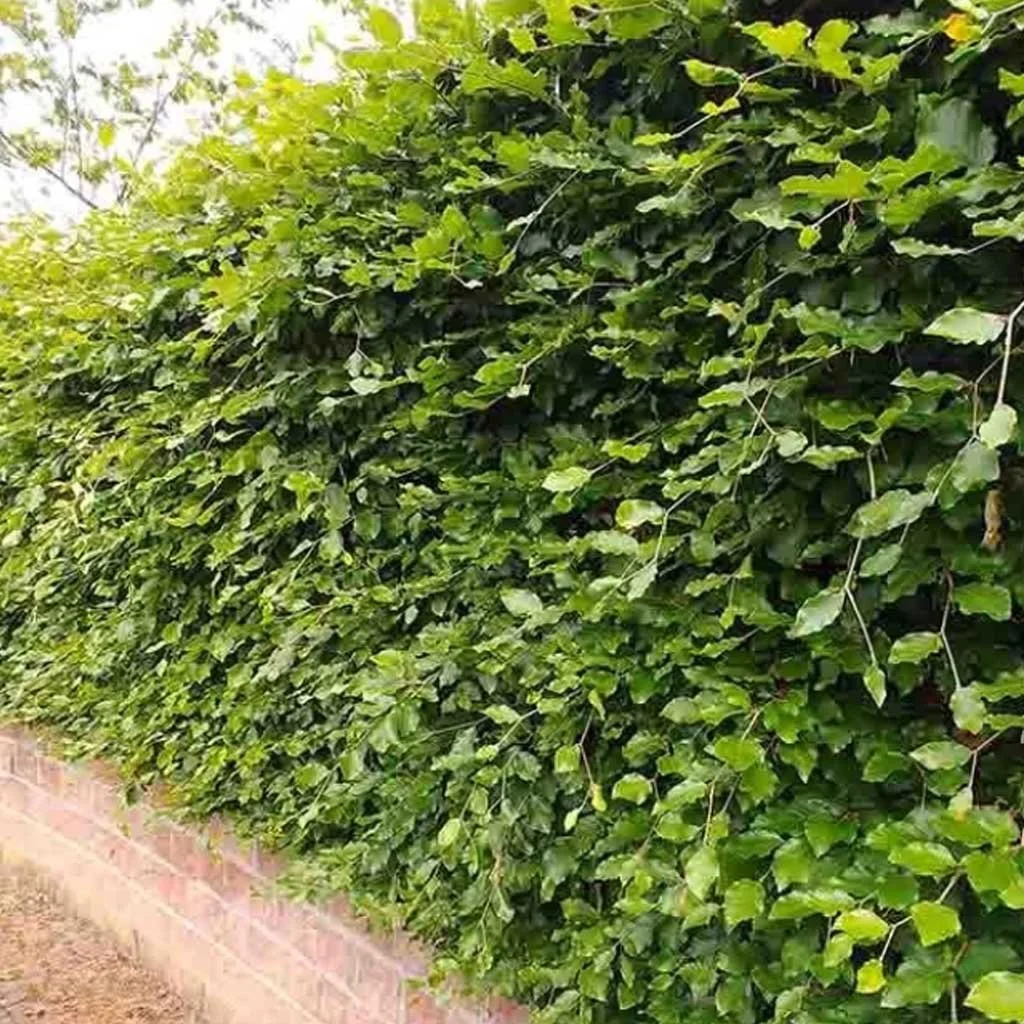
Green Beech
Classic clipped hedging for suitably drained gardens, with possible winter leaf retention.
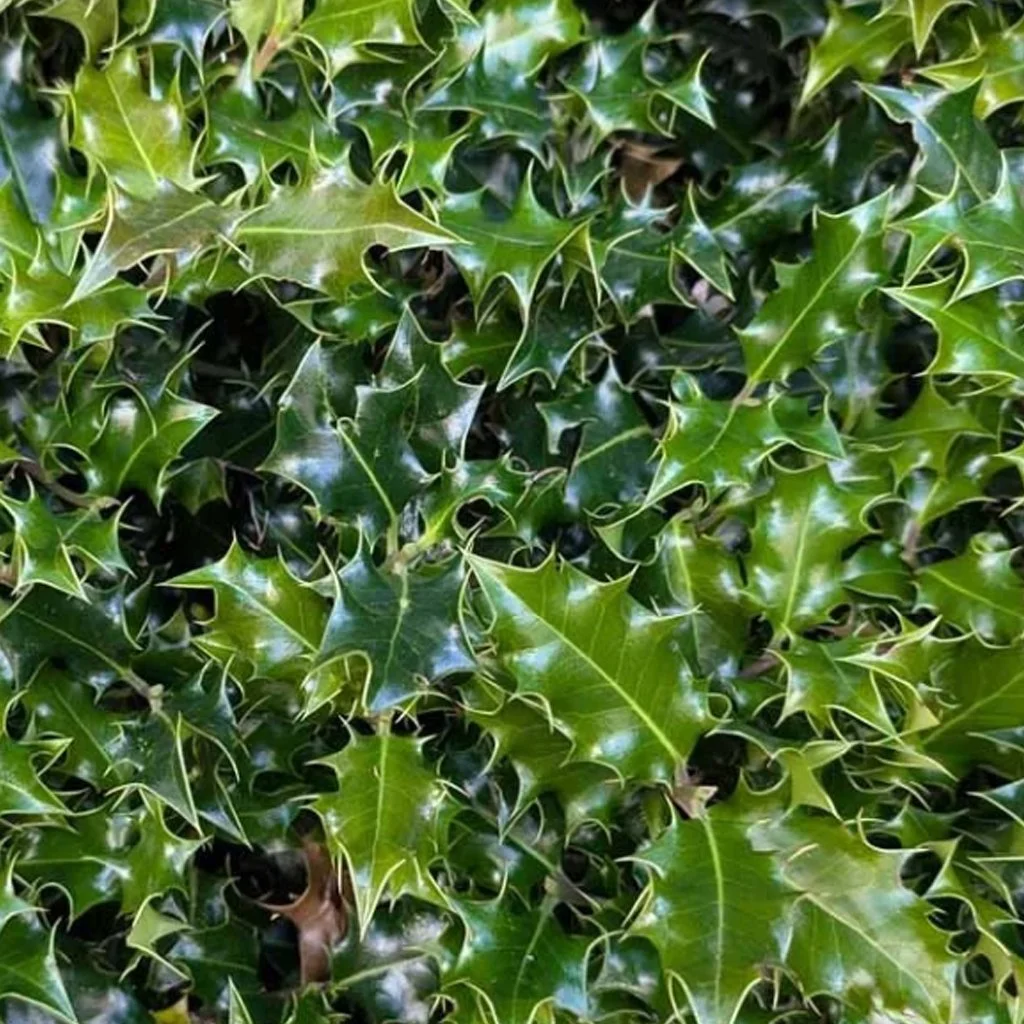
English Holly
Native evergreen hedging with often-spiny foliage and wildlife benefits.
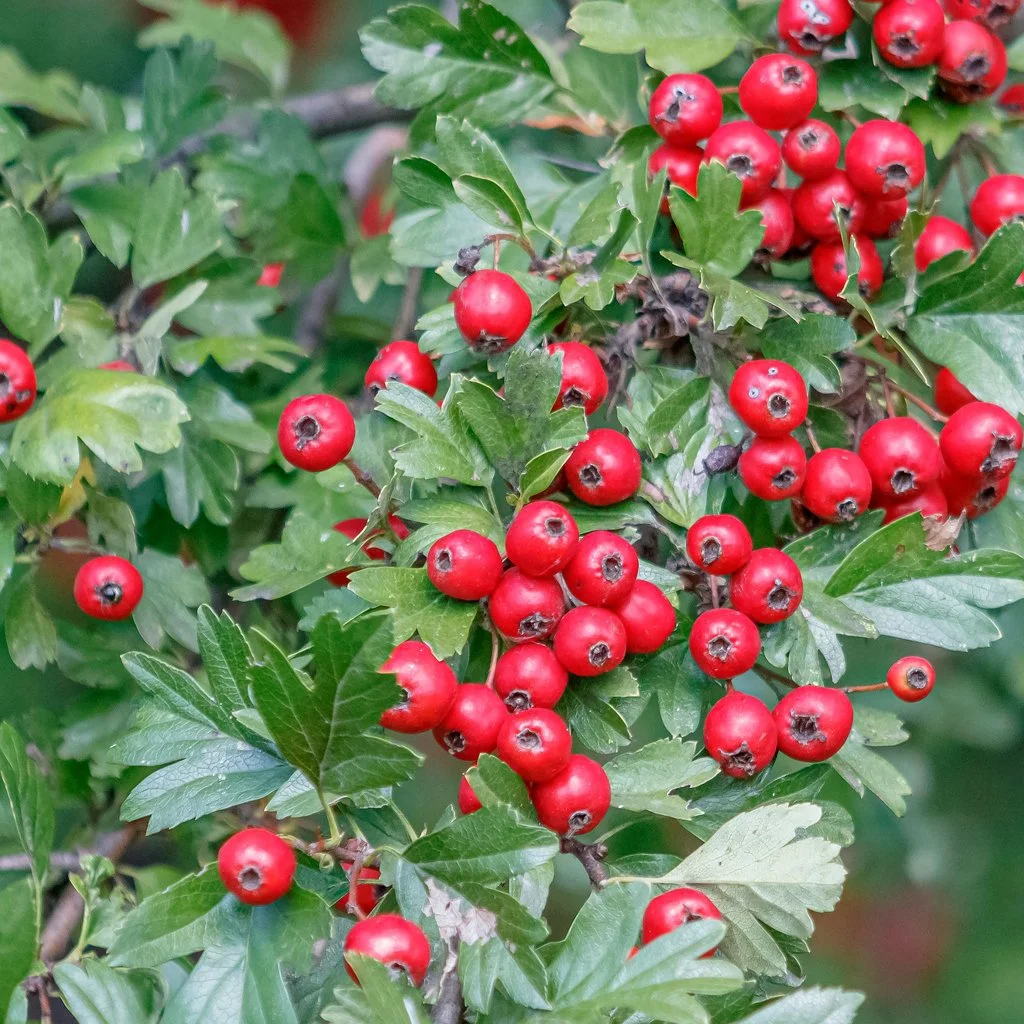
Hawthorn
Traditional native hedging with spring blossom, autumn berries and thorny growth.
Availability, supplied sizes and stock types vary by species and season. Photographs are illustrative.
Native Hedging for Rural Properties Around Kendal
Native hedging can complement traditional stone properties, larger gardens and rural boundaries where a natural appearance is preferred.
Mixed hedges can provide seasonal flowers, berries and wildlife habitat. A suitable mixture may include Hawthorn, Hazel, Field Maple, Blackthorn and English Holly.
Hawthorn and Blackthorn
Hawthorn provides thorny growth, blossom and berries. Blackthorn offers early flowers and sloes, although its suckering habit needs consideration.
Hazel and Field Maple
Hazel can add structure where sufficient space is available. Field Maple provides seasonal foliage and autumn colour.
Native Hedging Beside Grazing Land
For boundaries accessible to livestock or horses, plant toxicity, grazing behaviour and the need for protective fencing must be considered.
The species mixture should be selected for the soil, exposure, boundary function and available maintenance space rather than appearance alone.
Professional Hedge Supply & Planting in Kendal
Landscaping Emporium works alongside Kirman Design to provide professional hedge supply and planting for suitable projects in Kendal and surrounding areas, subject to scope and access.
Projects may include evergreen privacy hedges, native rural boundaries, formal garden hedging and replacement planting.
1. Site Assessment
Review the planting line, ground levels, drainage, access, existing roots and nearby structures.
2. Plant Specification
Choose species, supplied height, stock type and spacing to suit the site and intended hedge.
3. Ground Preparation & Planting
The agreed work may include vegetation clearance, excavation, soil preparation, delivery, planting, mulching and irrigation.
4. Establishment Advice
Provide guidance on watering, weed control, wind protection and species-appropriate formative pruning.
How Much Does Hedge Planting Cost in Kendal?
Costs depend on plant species, supplied size, quantity, delivery, site preparation and installation. Sloping ground, retaining walls, restricted access or difficult excavation may increase the work required.
For a quotation, provide your postcode, approximate hedge length, preferred supplied height and photographs of the proposed planting area.
Bare-Root, Rootballed & Container-Grown Hedging
The best stock type depends on the species, required screening height, planting season and site conditions.
Bare-Root Hedging
Often economical for longer native hedges. Generally supplied during the dormant planting season.
Rootballed Hedging
Available for selected species and sizes, generally from mid-October to late April, weather permitting.
Container-Grown Hedging
Offers greater flexibility in planting dates, subject to suitable soil, weather and aftercare conditions.
Larger Hedging Plants
Can provide earlier screening but require suitable access, handling and establishment care, especially on slopes.
How Many Plants Will I Need?
Plant numbers depend on the species, stock type, supplied size and specified spacing. For example, a 20-metre rootballed hedge planted at three plants per metre requires 60 plants.
Bare-root hedging may require a different density depending on the supplied size and planting arrangement.
Caring for Newly Planted Hedging in Kendal
New hedging needs regular monitoring while its root system establishes. In Kendal, particular attention may be needed where planting crosses different ground levels or drainage conditions.
Watering
Monitor moisture at root depth and water when required during dry periods. Avoid watering saturated soil.
Mulching
Suitable mulch helps reduce weed competition and conserve moisture. Keep it clear of plant stems.
Slope Inspection
Check for erosion, soil movement and uneven water distribution following heavy rainfall.
Pruning and Weed Control
Maintain a reasonably weed-free planting strip and follow the appropriate pruning guidance for the chosen species.
Explore Hedging Across Cumbria
Kendal is part of our Cumbria hedging guide series. The other local guides focus on different garden conditions and planting requirements.
Cumbria
Regional guidance on hedging species, growing conditions and planting.
Cumbria Hedging GuideKendal Hedging FAQs
Which hedging plants are suitable for Kendal?
Options may include Yew, Hornbeam, Beech, Holly, Hawthorn and Portuguese Laurel, depending on soil, drainage, exposure and intended use.
Can hedging be planted on a sloping garden?
Yes. The planting specification should account for ground levels, drainage, soil stability, access and the finished hedge line.
Should a hedge follow the slope or have a level top?
Either may be appropriate. Natural-looking boundaries often follow the gradient, while formal hedges can be maintained to create a level-looking top.
Which hedge is best for year-round privacy?
English Yew, Holly and Portuguese Laurel are evergreen options where site conditions are suitable.
Can I plant hedging beside a stone wall?
Often, yes, provided there is adequate rooting space and excavation will not damage or undermine the structure.
Is Hornbeam suitable for heavier soil?
Hornbeam tolerates many heavier soils where drainage remains adequate. Persistent waterlogging should be investigated.
Can I plant a hedge in shallow or stony soil?
Possibly. The available soil depth and rooting volume should be checked before selecting plants.
What native hedging suits a rural Kendal property?
Hawthorn and suitable mixed native hedging can provide traditional boundary structure and wildlife benefits.
When can bare-root hedging be planted?
Bare-root hedging is generally planted during the dormant season, subject to weather and nursery availability.
When is rootballed hedging available?
Selected rootballed hedging is generally available from mid-October to late April, weather permitting.
How many plants are needed for a 20-metre hedge?
At three plants per metre, a 20-metre hedge requires 60 plants. Actual spacing depends on species, stock type and supplied size.
How much does hedge planting cost in Kendal?
Costs depend on plant selection, quantity, access, ground preparation and installation. Sloping sites may require additional work.
Do you supply and plant hedging around Kendal?
Landscaping Emporium welcomes enquiries for suitable hedge supply and planting projects in Kendal and surrounding areas, subject to scope, location and access.
Planning a New Hedge in Kendal?
Whether you need evergreen privacy screening, native hedging for a rural boundary or advice on planting across a sloping garden, explore our hedging collection or enquire about professional installation.
Telephone: 01942 604976
Email: hello@landscapingemporium.co.uk
Selected by designers. Installed by professionals.