
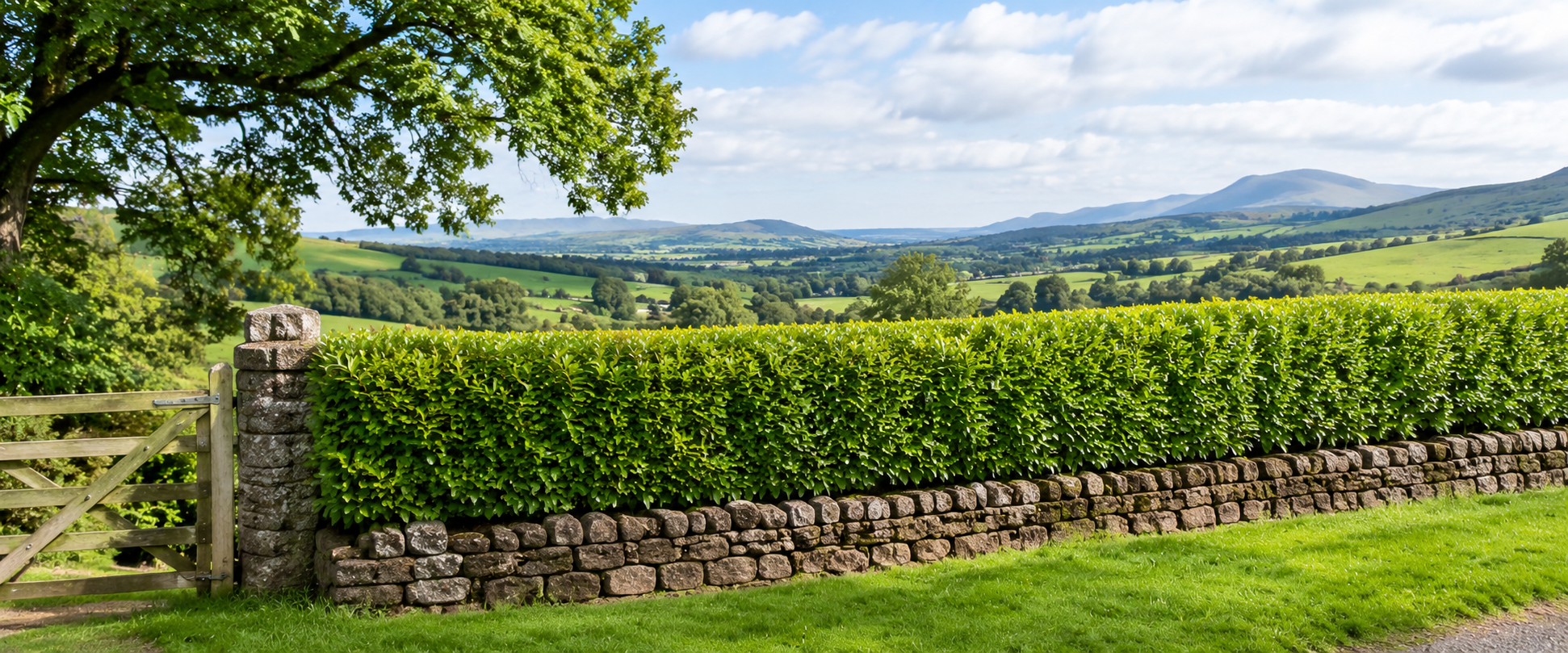
Hedging Plants & Professional Hedge Planting in Penrith
Native, evergreen and deciduous hedging plants for Penrith gardens, Eden Valley properties, exposed rural sites and traditional countryside boundaries.
Landscaping Emporium supplies hedging plants for residential gardens, rural properties and landscaping projects in Penrith and surrounding areas. We also welcome enquiries for professional hedge supply and planting.
Penrith lies close to the Eden Valley and the eastern Lake District. The surrounding area includes sheltered gardens, open farmland and elevated properties where wind, soil drainage and winter conditions can affect hedge establishment.
Choosing a suitable hedge involves balancing privacy, boundary requirements, wildlife value, plant size and long-term maintenance.
Selected by designers. Installed by professionals.
Choosing Hedging for Penrith and Eden Valley Gardens
Properties around Penrith range from residential gardens with sheltered boundaries to open rural plots where hedging must cope with stronger winds.
The surrounding countryside also includes varying soil types and drainage conditions. Garden ground may have been altered by construction, previous landscaping or agricultural use.
Residential Privacy
Evergreen screening can create privacy around patios and garden boundaries. Choose plants that can be maintained within the available width and height.
Rural Boundaries
Traditional native hedging can create a natural boundary and provide habitat for wildlife.
Exposed Properties
Consider prevailing winds, winter temperatures, available shelter and the supplied plant size.
Heavier Ground
Moisture-retentive soil requires careful species selection and drainage assessment, especially after prolonged rainfall.
Why Individual Site Conditions Matter
A hedge that performs well in a sheltered Penrith garden may not establish as successfully on an open hillside. We recommend assessing soil, drainage, exposure and available rooting space before selecting plants.
Native Hedging for Rural Properties Around Penrith
Native hedging is particularly relevant to traditional rural boundaries, larger gardens and wildlife planting throughout the Eden Valley.
A suitable mixture can provide seasonal blossom, autumn berries and shelter for birds and other wildlife.
Hawthorn
Crataegus monogyna is a traditional hedgerow species with thorny branches, spring flowers and autumn berries.
Hazel
Corylus avellana can add variety to mixed native hedges, although its eventual size must be considered.
Field Maple
Acer campestre offers seasonal foliage and autumn colour in suitable native mixtures.
Blackthorn
Prunus spinosa provides early blossom and sloes, but its tendency to sucker requires careful positioning.
Designing a Mixed Native Hedge
The mixture should reflect the intended boundary height, soil conditions, exposure, maintenance requirements and available planting width.
For rural properties with livestock or horses, check plant toxicity and grazing suitability. Protective fencing may be needed during establishment.
Hedging for Exposed Gardens Near Penrith
Open rural sites can experience stronger winds than sheltered residential gardens. Wind can increase moisture loss, damage foliage and make newly planted hedges more difficult to establish.
Choosing the Right Plant Size
Larger plants may offer earlier screening, but can be more vulnerable to wind movement during establishment. Smaller stock may sometimes establish more reliably on exposed sites.
Selecting Suitable Species
Traditional native hedging can be appropriate for many rural boundaries, although the selected species must still suit the soil, drainage and exposure conditions.
Planning for Long-Term Growth
A hedge should have sufficient room to develop a dense, stable structure. Consider its mature width and the maintenance required to achieve the finished height.
Establishment Protection
Depending on the plant specification, support, mulching and temporary protection may help establish new hedging.
Wind Exposure and Wet Ground
An exposed site is not necessarily well drained. Some windy rural gardens also contain heavy, wet soil. The chosen hedge must suit both conditions.
Choosing Hedging for Heavier Soils in Penrith
Some gardens in and around Penrith have heavier, moisture-retentive ground. Heavy soil does not necessarily mean waterlogged soil, but drainage should be checked before planting.
Hornbeam
Carpinus betulus can tolerate many heavier soils where drainage remains adequate.
Hawthorn
Crataegus monogyna is adaptable to a range of conditions and may suit traditional rural boundaries.
Green Beech
Fagus sylvatica generally performs best where drainage is satisfactory. Avoid persistently waterlogged sites.
English Yew
Taxus baccata can form a dense evergreen hedge in suitable, well-drained ground. It is highly toxic if eaten.
Checking Drainage
Observe the ground after sustained rain. Persistent standing water, compacted subsoil or water collecting in trial excavations may indicate a drainage problem.
Preparing the Planting Strip
Soil preparation should support root development beyond the original planting hole. Avoid creating isolated pockets that trap water in poorly drained ground.
Six Hedging Plants to Consider for Penrith
These species provide options for rural boundaries, traditional clipped hedges, heavier soils and evergreen screening. Suitability depends on the individual site.
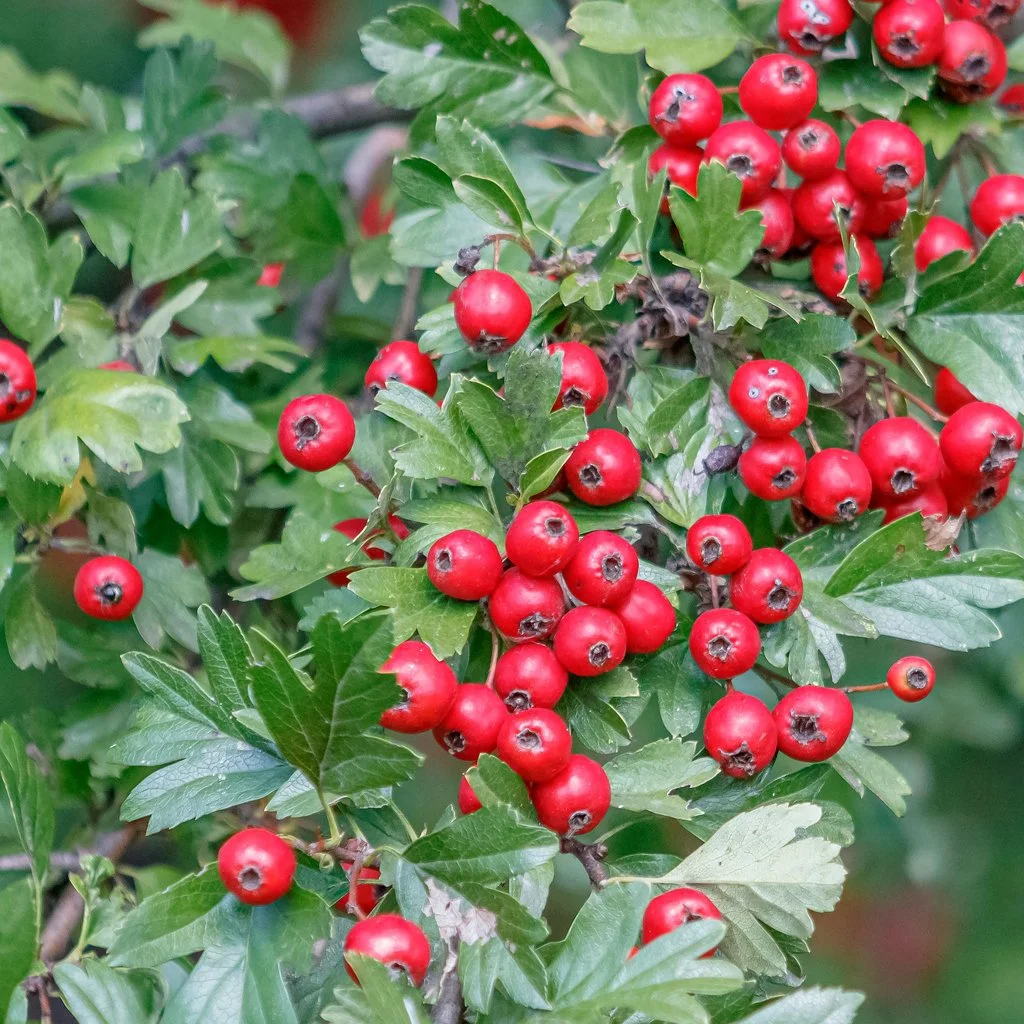
Hawthorn
Traditional native hedging with spring blossom, autumn berries and thorny growth.
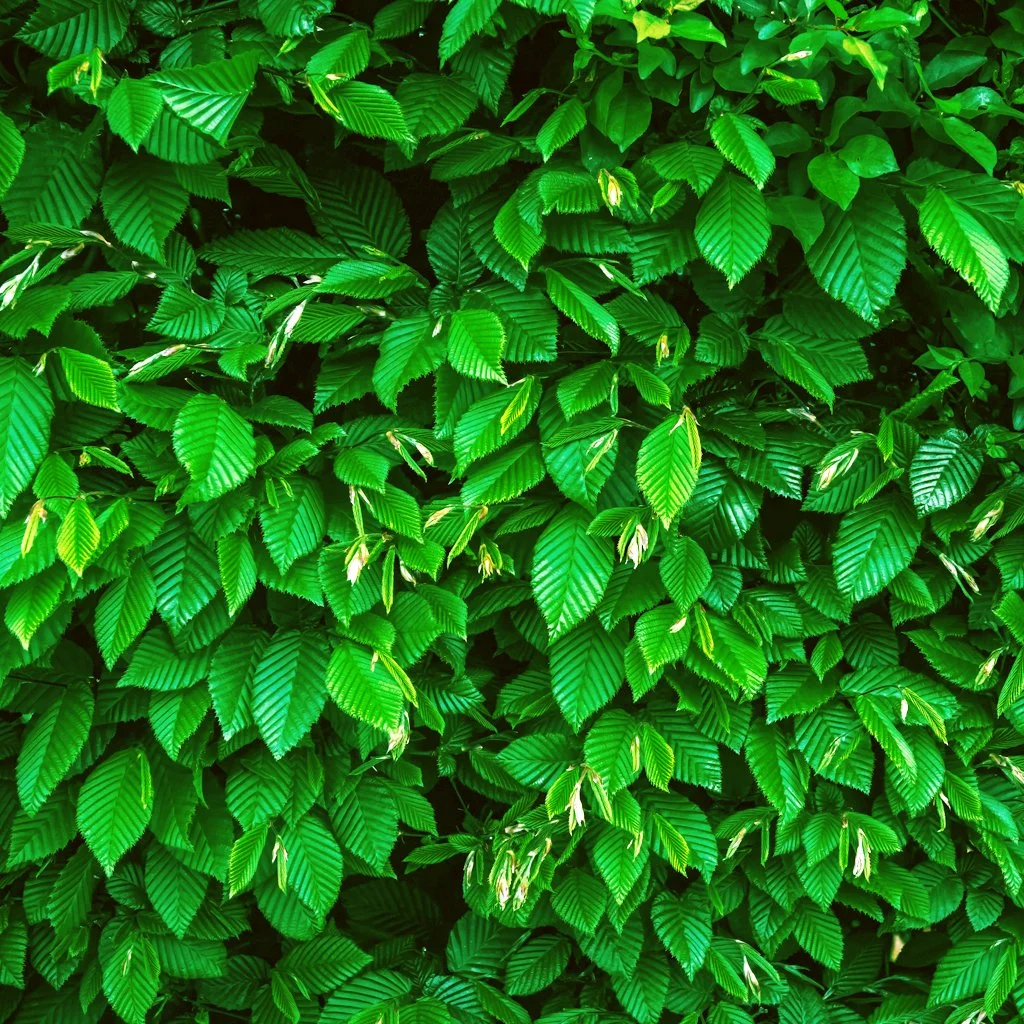
Hornbeam
Traditional deciduous hedging suitable for many heavier soils with adequate drainage.
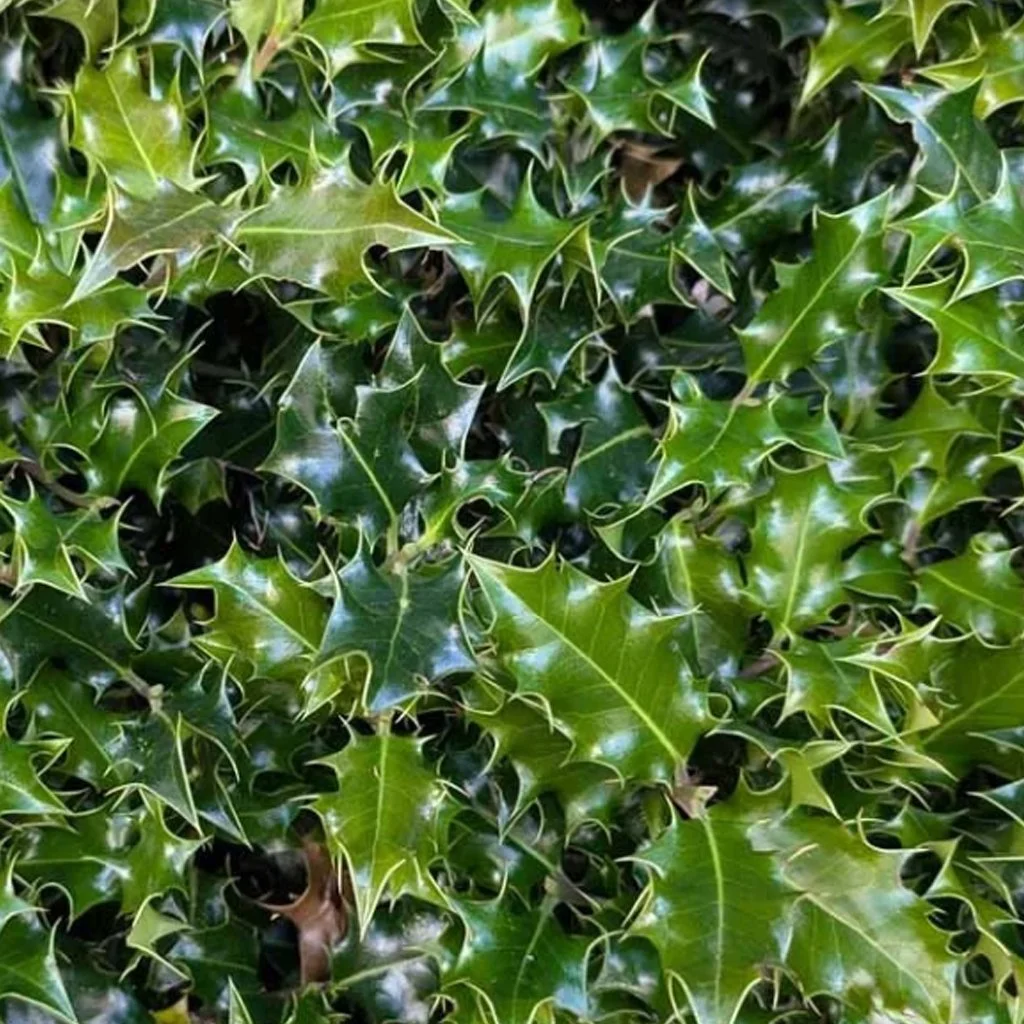
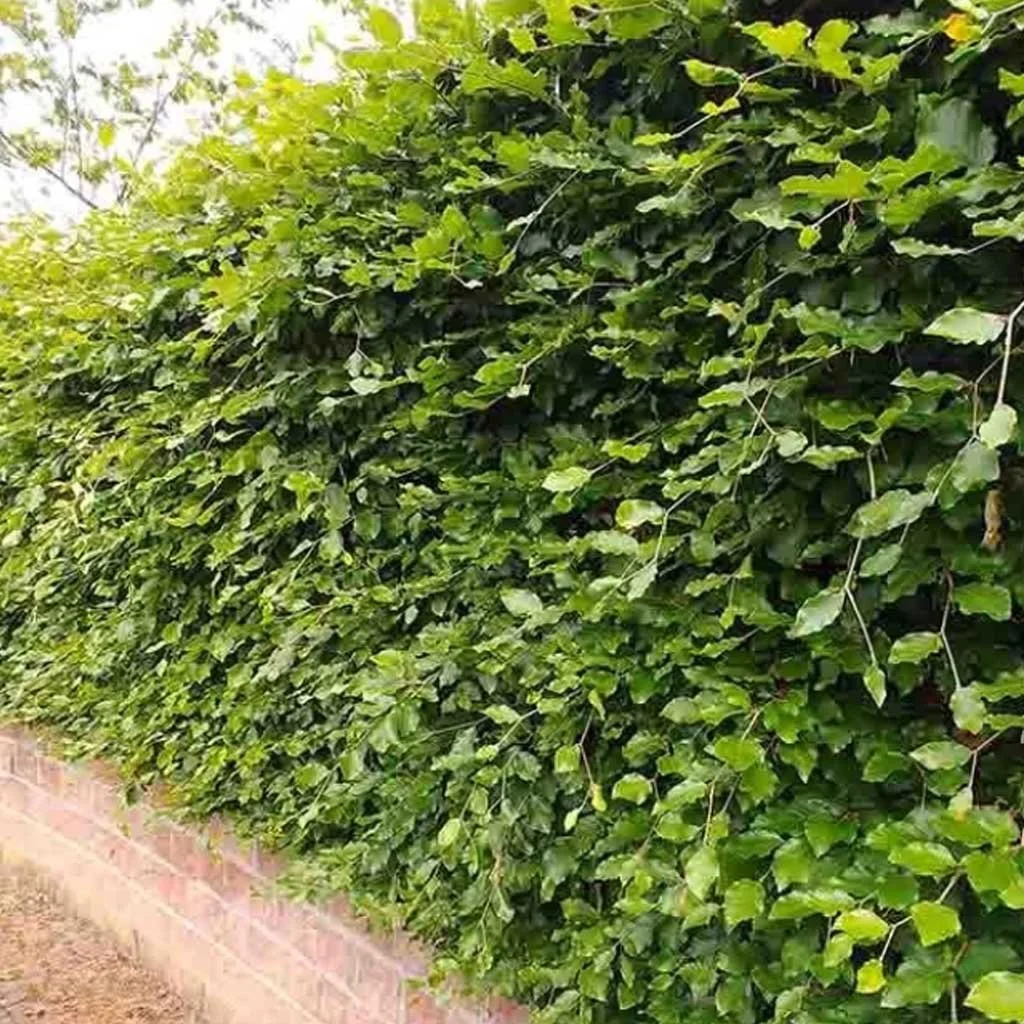
Green Beech
Classic clipped hedging for appropriately drained sites, with possible winter leaf retention.
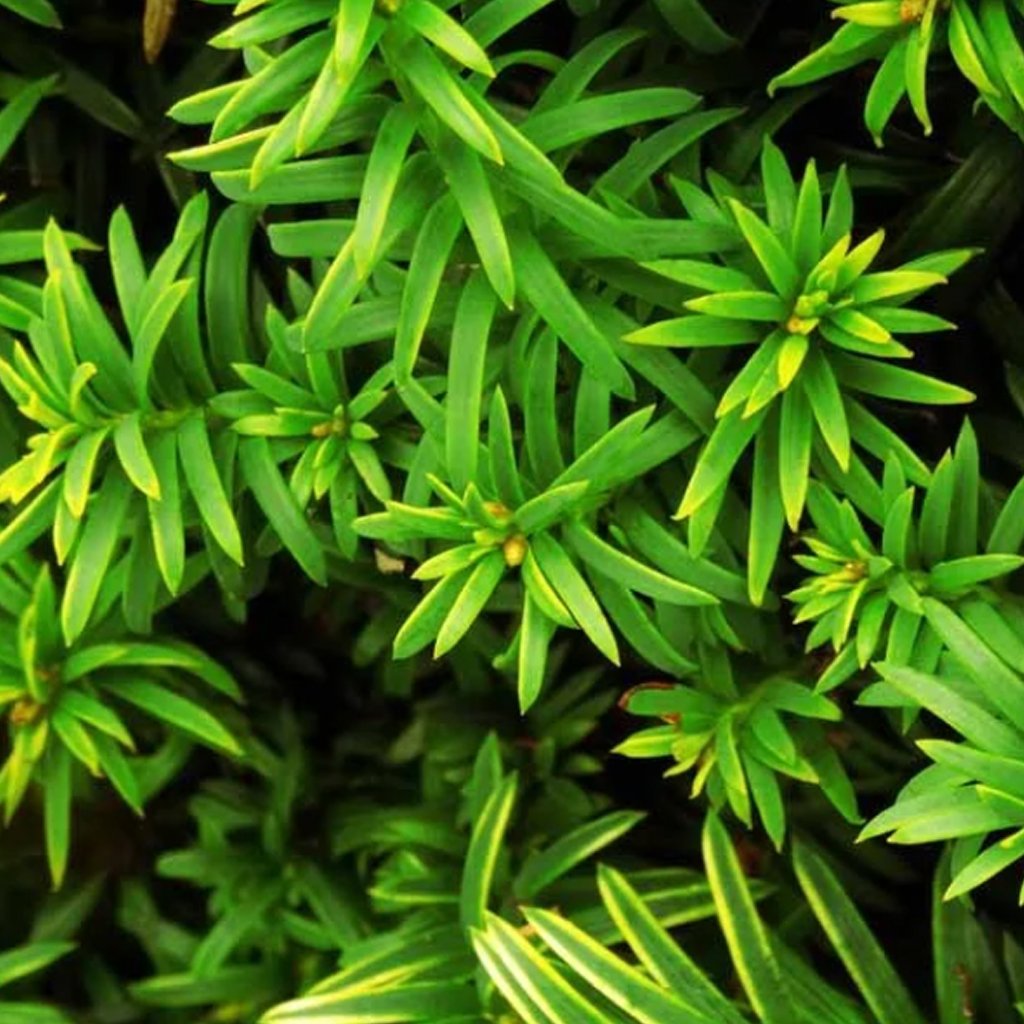
English Yew
Dense evergreen screening for suitable gardens with adequate drainage. Highly toxic if eaten.
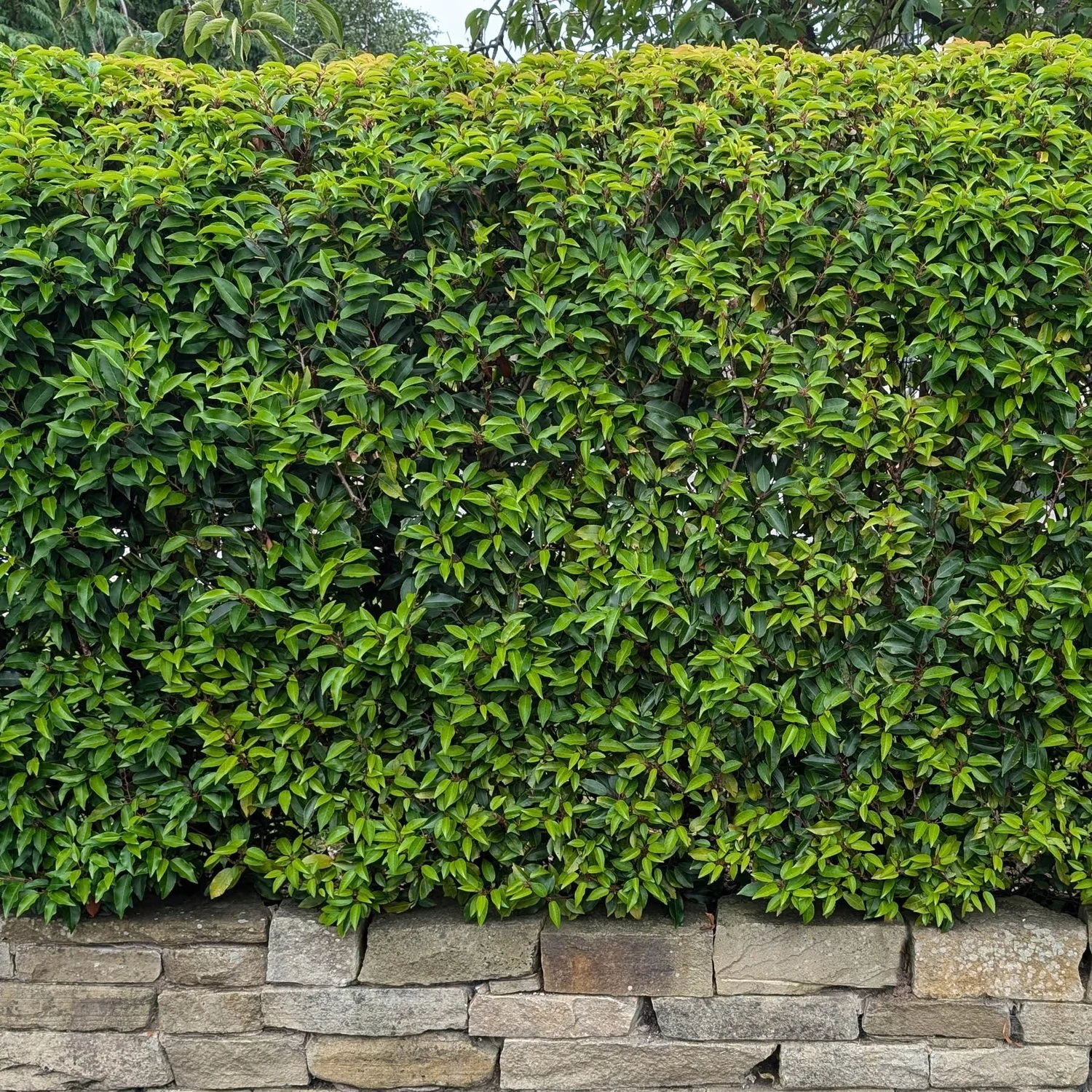
Portuguese Laurel
Elegant evergreen screening for appropriately sheltered gardens. Toxic if eaten.
Stock availability, supplied sizes and planting forms vary by species and season. Photographs are illustrative.
Bare-Root, Rootballed & Container-Grown Hedging
The most appropriate planting form depends on the required supplied height, planting season, project budget and site conditions.
Bare-Root Hedging
Often economical for native hedgerows and longer boundaries. Generally supplied during the dormant planting season.
Rootballed Hedging
Available for selected species and sizes, generally from mid-October to late April, weather permitting.
Container-Grown Hedging
Offers greater flexibility in planting dates, subject to suitable weather, soil conditions and aftercare.
Larger Hedging Plants
May provide earlier screening but require suitable access, handling and establishment care, particularly on exposed sites.
How Many Plants Will I Need?
Plant numbers depend on species, supplied size, planting density and hedge length. For example, a 25-metre rootballed hedge specified at three plants per metre would require 75 plants.
Bare-root spacing varies by plant height and the specified planting arrangement.
Professional Hedge Supply & Planting in Penrith
Landscaping Emporium works alongside Kirman Design to offer professional hedge supply and planting for suitable projects in Penrith and surrounding areas, subject to project scope and access.
Projects may include native rural boundaries, evergreen privacy screening, formal garden hedging and replacement planting.
1. Plant Specification
Select the species, stock type, supplied height and spacing according to the site and intended finished hedge.
2. Ground Assessment
Consider drainage, compaction, existing vegetation, roots, exposure and access before installation.
3. Planting
Depending on the agreed quotation, work may include delivery, excavation, setting out, planting, mulching and irrigation.
4. Establishment Advice
Provide guidance on watering, weed control, wind protection and appropriate formative pruning.
How Much Does Hedge Planting Cost in Penrith?
The cost depends on plant species, size, quantity, delivery, ground preparation and installation. Restricted access, steep slopes or difficult excavation may increase the labour required.
For an accurate quotation, provide your postcode, approximate hedge length, preferred plant height and photographs of the proposed planting area.
Caring for Newly Planted Hedging in Penrith
New hedging requires monitoring during establishment. In exposed gardens, wind can increase moisture loss even during relatively cool weather.
Watering
Monitor moisture at root depth and water during dry periods as necessary. Avoid watering already saturated ground.
Mulching
Suitable mulch helps conserve moisture and reduce weed competition. Keep mulch clear of stems.
Wind Protection
Inspect new hedging after strong winds and maintain any specified supports or ties.
Pruning & Weed Control
Keep the planting strip reasonably clear of weeds and follow species-specific formative pruning guidance.
Explore Hedging Across Cumbria
Penrith is one of five local guides within our Cumbria hedging hub . Explore the other locations for advice on different garden conditions and planting requirements.
Penrith Hedging FAQs
Which hedging plants are suitable for Penrith?
Options may include Hawthorn, Hornbeam, Beech, Holly, Yew and Portuguese Laurel, depending on drainage, exposure and intended use.
What is a good native hedge for an Eden Valley boundary?
Hawthorn is a traditional option. Suitable mixed native hedging may include Hazel, Field Maple and Blackthorn.
Which hedging plants tolerate heavier soil?
Hornbeam tolerates many heavier soils where drainage remains adequate. Persistent waterlogging requires investigation.
Can I plant hedging in an exposed garden?
Yes, but species, supplied size, wind exposure and establishment requirements must be considered.
Is Hawthorn suitable for rural hedging?
Hawthorn is widely used for traditional rural hedgerows and provides blossom, berries and thorny growth.
Can I use evergreen hedging in Penrith?
Yes. English Yew, Holly and Portuguese Laurel may suit appropriately matched sites, although exposure and drainage must be assessed.
Does Beech retain its leaves in winter?
Clipped Beech hedges may retain some dry brown leaves, although retention varies with age, exposure and pruning.
When is bare-root hedging available?
Generally during the dormant season, subject to weather and nursery availability.
When is rootballed hedging available?
Selected rootballed hedging is generally available from mid-October to late April, weather permitting.
How many plants are needed for a 25-metre hedge?
At three plants per metre, a 25-metre hedge requires 75 plants. Actual density depends on species, stock type and supplied size.
Can hedging be planted on a slope?
Yes, with suitable ground preparation, setting out and consideration of access, erosion and drainage.
How much does hedge planting cost in Penrith?
Costs depend on plant selection, hedge length, ground conditions, delivery, access and installation. A site-specific quotation is recommended.
Do you supply and plant hedging around Penrith?
Landscaping Emporium welcomes enquiries for suitable supply and planting projects in Penrith and surrounding areas, subject to scope, location and access.
Planning a New Hedge in Penrith?
Whether you need native hedging for a rural boundary, evergreen privacy screening or planting advice for an exposed garden, explore our hedging collection or contact us about professional installation.
Telephone: 01942 604976
Email: hello@landscapingemporium.co.uk
Selected by designers. Installed by professionals.