Hedging Plants & Professional Hedge Planting in Malpas
Quality native, evergreen and deciduous hedging for countryside properties, traditional gardens, field boundaries and residential privacy throughout Malpas and surrounding Cheshire villages.
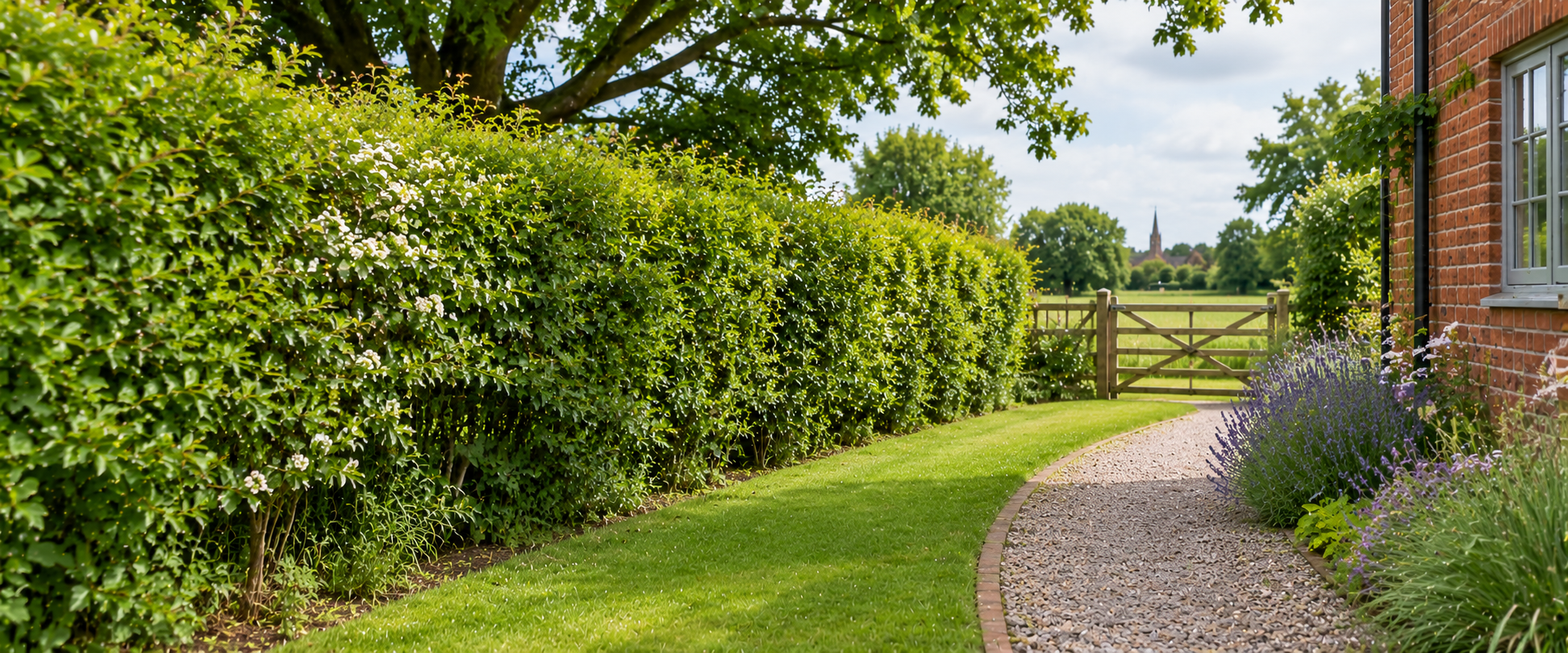
Landscaping Emporium supplies quality hedging plants for rural homes, established gardens and countryside properties around Malpas.
Whether you are establishing a traditional Hawthorn boundary, planting a mixed native hedgerow or introducing evergreen screening around a garden, the correct hedge can provide structure, privacy and long-term landscape value.
Our range includes bare-root, rootballed and container-grown hedging, with professional supply and planting available for suitable projects.
Selected by designers. Installed by professionals.
Hedging for Rural Gardens & Countryside Properties
Malpas sits within a landscape of villages, farmland and established countryside properties in south Cheshire.
Hedging is an important feature of this setting, defining gardens, agricultural boundaries and the transition between domestic spaces and open countryside.
Native hedgerows can complement rural surroundings, while clipped deciduous and evergreen hedges provide a more structured appearance around houses, terraces and ornamental gardens.
For larger plots, hedging can divide gardens into separate areas without relying entirely on fencing or constructed walls.
Native Field Boundaries
Hawthorn and suitable mixed native hedging for countryside edges and rural properties.
Traditional Garden Hedges
Beech and Hornbeam for established residential gardens and formal clipped boundaries.
Evergreen Privacy
Yew, Holly and Portuguese Laurel for year-round structure where growing conditions are suitable.
Large Garden Boundaries
Hedging selected for available space, exposure, intended height and long-term maintenance.
Native Hedgerows for Malpas Countryside Boundaries
Native hedgerows are particularly appropriate for many rural properties where a natural boundary is preferred.
Hawthorn is a traditional hedgerow species that develops dense thorny growth and produces spring blossom and autumn berries.
Single-Species Hawthorn Hedging
Hawthorn can create a robust traditional boundary and responds well to appropriate formative pruning and maintenance.
Its thorny growth provides a useful physical barrier, although a hedge should not automatically be treated as a stock-proof boundary.
Mixed Native Hedgerows
Mixed native hedging can include several compatible species, providing varied foliage, flowering periods and wildlife benefits.
Depending on site conditions, a mixture may include Hawthorn, Blackthorn, Hazel, Field Maple and other appropriate native species.
The mixture should be selected for soil, exposure, boundary purpose, maintenance requirements and available growing space.
Hedgerow Restoration
Where an established countryside hedge has become thin or developed gaps, supplementary planting and appropriate management may offer an alternative to complete removal.
Important: Existing Rural Hedgerows
Some countryside hedgerows are legally protected. Before removing or substantially altering an established hedge, check whether permission or notification is required.
Also consider nesting birds and other protected wildlife before carrying out work.
Choosing Hedging Near Livestock & Agricultural Land
Rural properties around Malpas may have gardens adjoining paddocks, grazing land or working farmland.
Where livestock can reach a hedge, plant selection requires particular care.
Animal Safety
Some ornamental hedging plants are toxic to horses and other livestock.
English Yew is highly toxic and should not be planted where grazing animals could access it.
Other species may also present risks, so a planting mixture must be assessed for the animals concerned.
Protecting New Hedgerows
Young plants may require temporary fencing to prevent grazing, trampling and damage during establishment.
The required protection depends on the type of livestock and boundary conditions.
Hedges & Stock Fencing
A newly planted hedge does not provide immediate stock containment.
Suitable fencing may be necessary until the hedge has developed sufficient density, and may remain necessary for the boundary's intended function.
Livestock Safety Advice
If hedging will be accessible to horses, cattle, sheep or other grazing animals, identify the animals before selecting plants.
Do not assume a species is safe for every type of livestock because it is native or commonly used in countryside hedges.
Six Hedging Plants for Malpas Gardens
Explore six species for native countryside boundaries, traditional garden hedging and evergreen privacy.
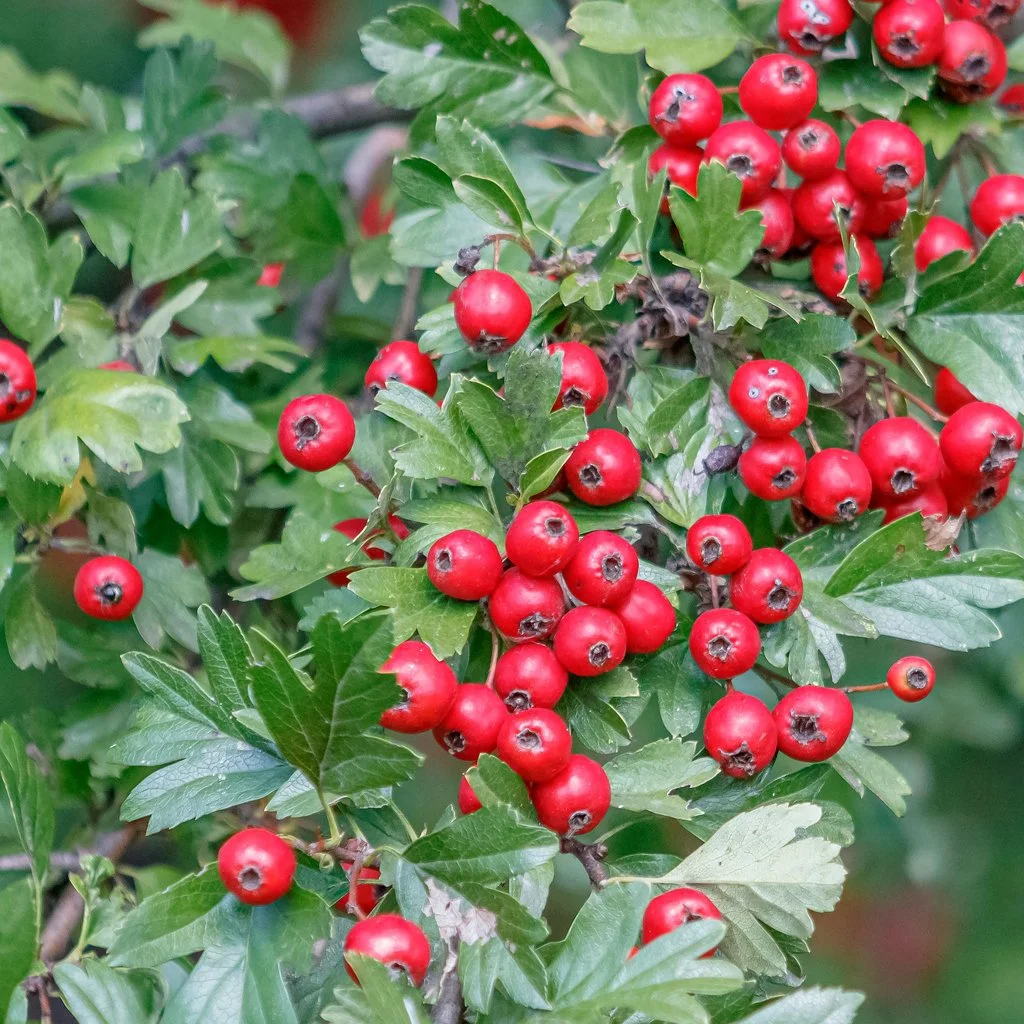
Hawthorn
Traditional native hedging with blossom, berries and wildlife value for rural boundaries.
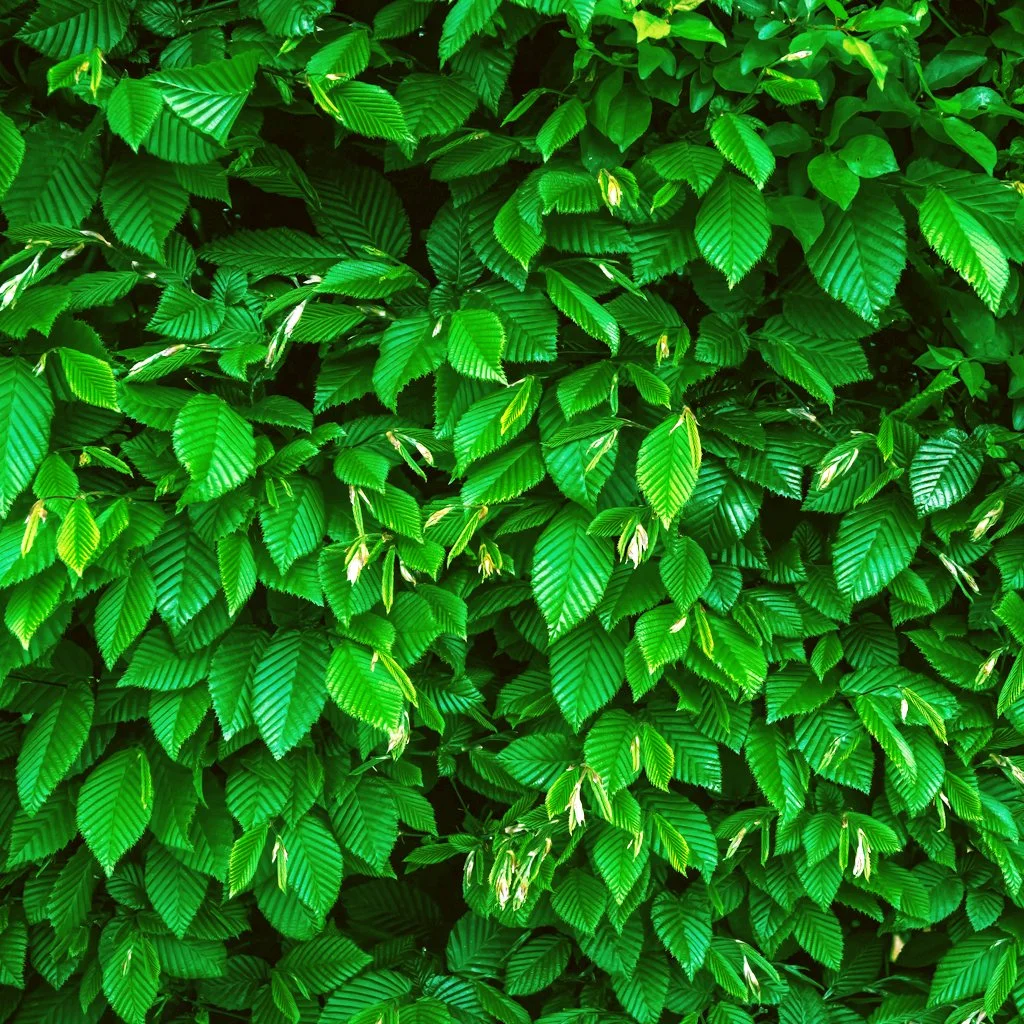
Hornbeam
Traditional deciduous hedging suitable for many established gardens and heavier soils.
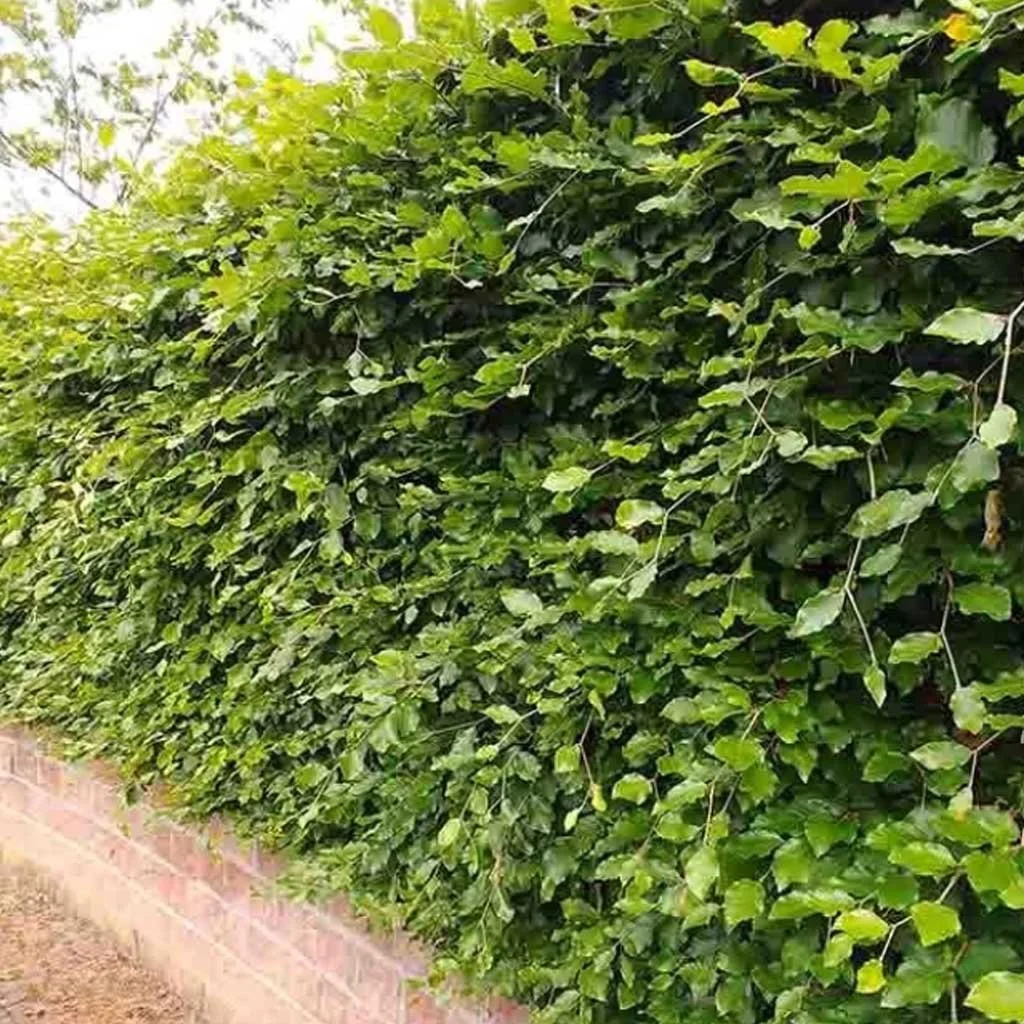
Green Beech
Traditional clipped hedging with seasonal colour and potential winter leaf retention.
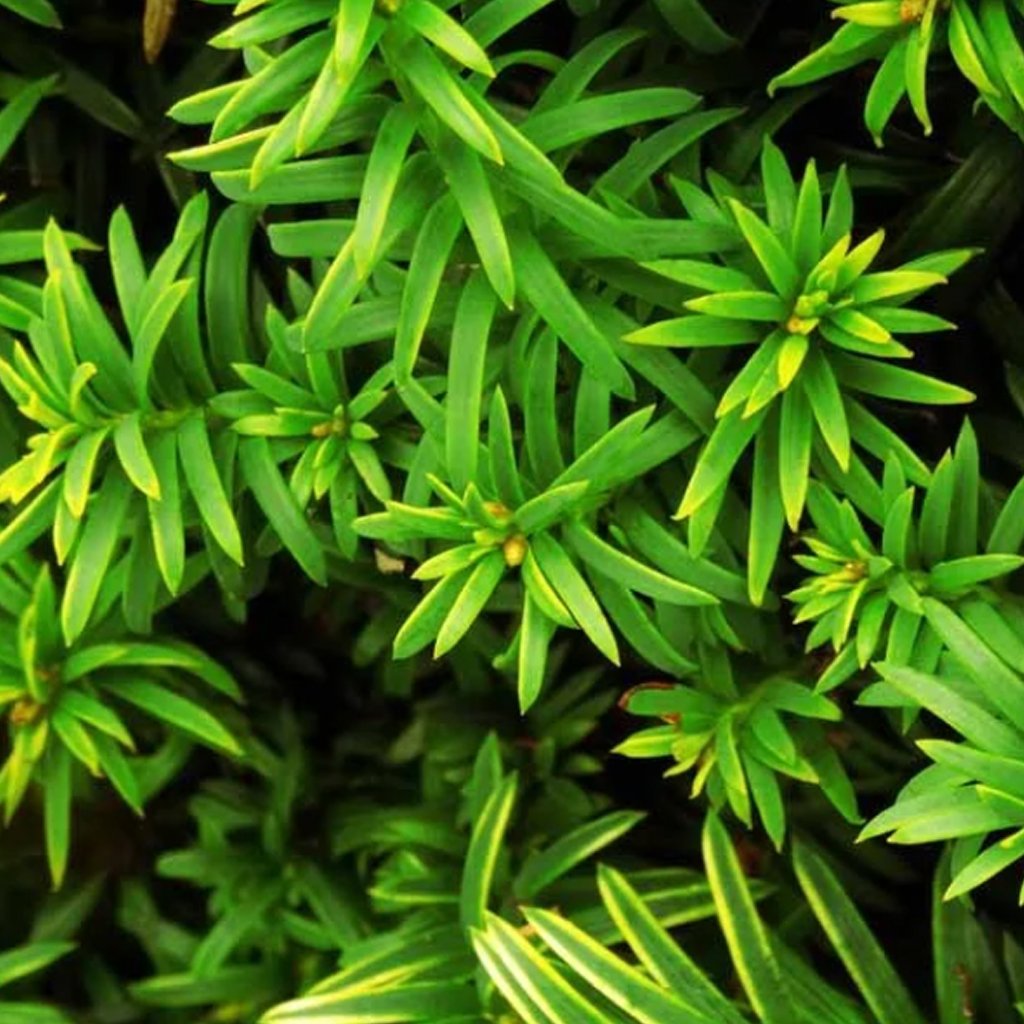
English Yew
Dense evergreen hedging for formal garden boundaries with suitable drainage. Highly toxic if ingested.
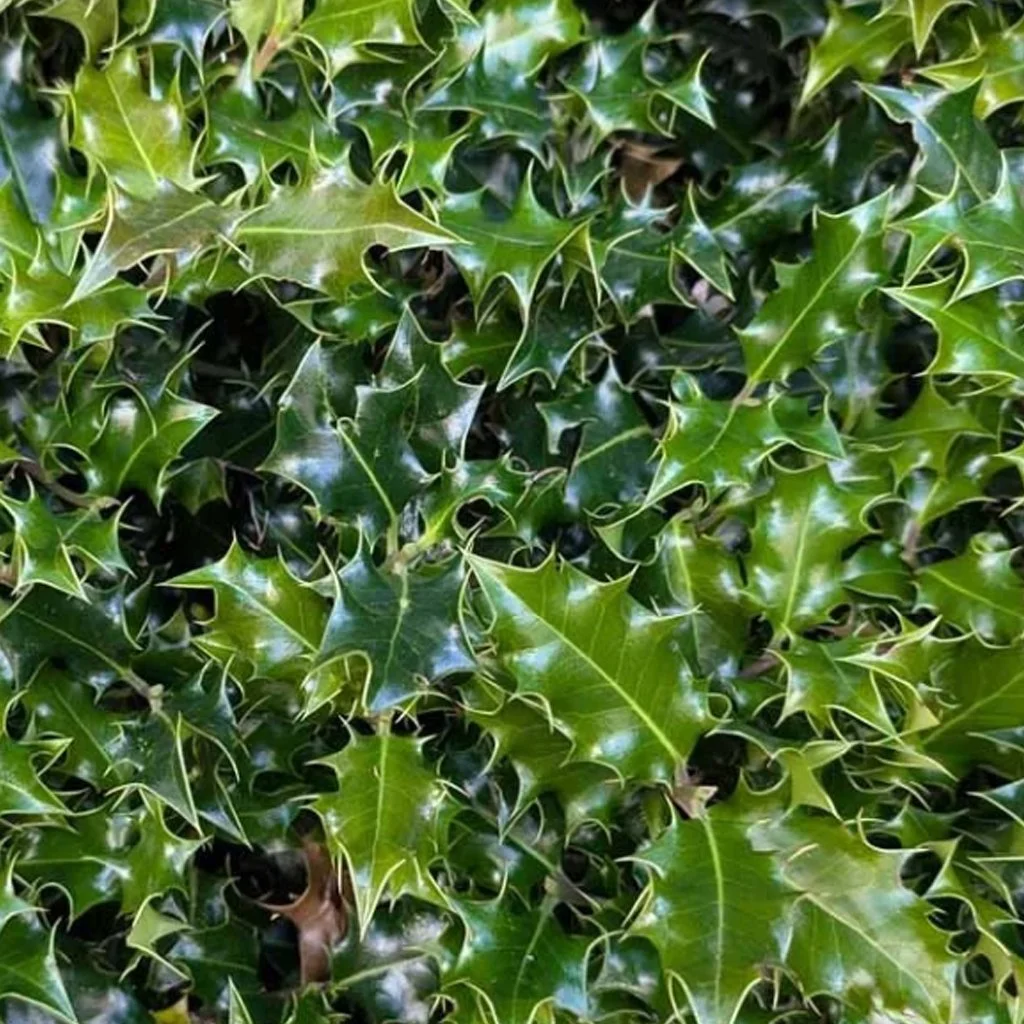
English Holly
Native evergreen hedging with spiny foliage and year-round structure for suitable locations.
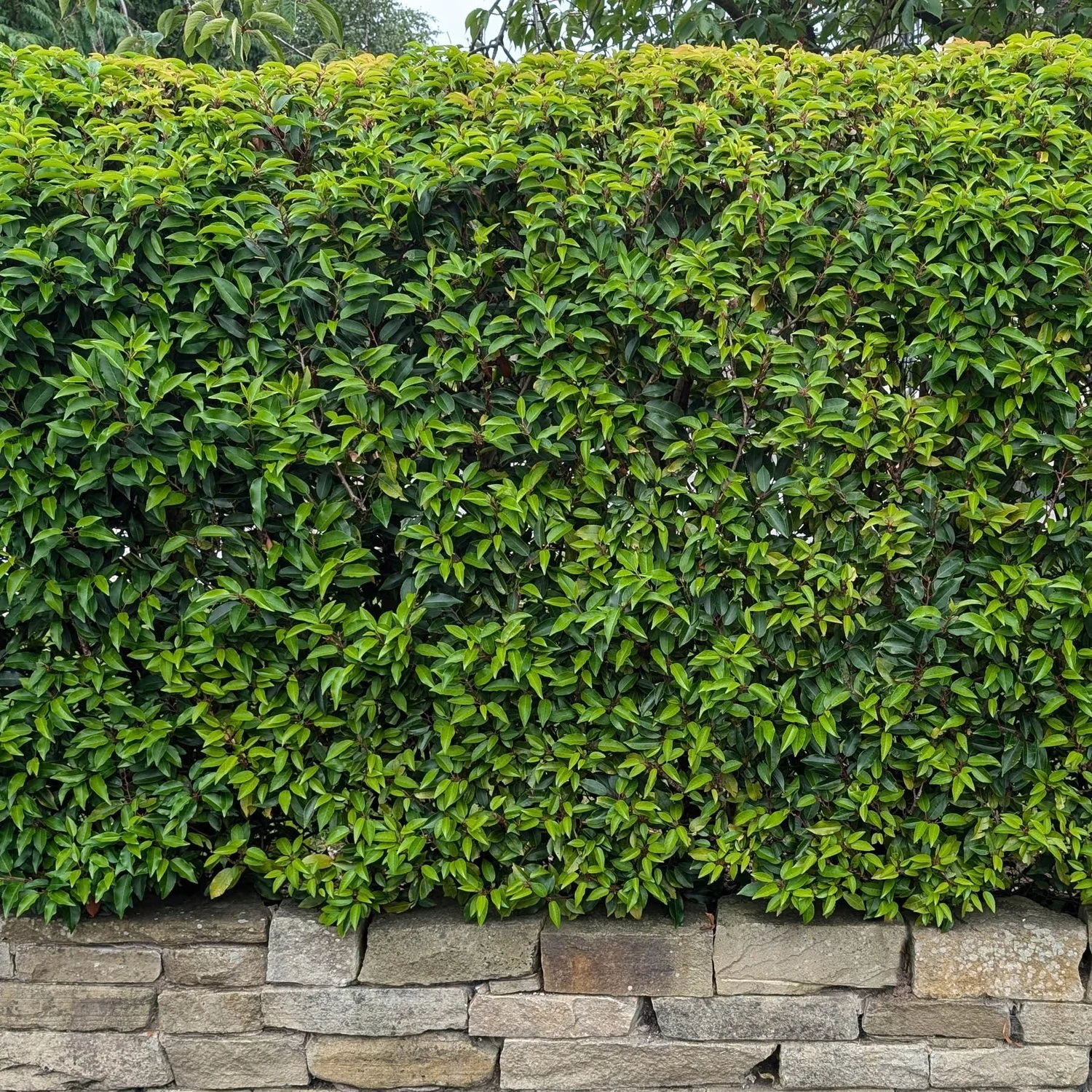
Portuguese Laurel
Evergreen hedging with glossy foliage and attractive reddish stems for sheltered garden boundaries.
Plant sizes, stock types, prices and availability vary by species and season.
Choosing Hedging for Exposed Rural Gardens
Properties adjoining open countryside can experience greater wind exposure than sheltered village gardens.
Wind increases moisture loss from newly planted hedging, particularly during cold or dry weather.
Selecting the Correct Plant Size
Larger plants can provide earlier screening, but may require more careful handling, support and watering.
Smaller, healthy plants can sometimes establish more reliably in challenging exposed conditions.
Reducing Wind Exposure
Where necessary, consider temporary protection while the hedge establishes.
The planting design should account for prevailing winds and the intended mature height.
Avoiding Excessively Dense Screens
A dense hedge may affect local airflow and create turbulence in some positions.
For exposed rural boundaries, consider the required level of shelter alongside privacy and landscape appearance.
Exposed Boundary Advice
Do not automatically select the tallest available plants for an exposed boundary.
Consider plant stability, root establishment, soil moisture and the long-term maintenance requirements of the hedge.
Hedging for Clay Soils & Wet Ground Around Malpas
Soil conditions vary between properties around Malpas.
Some gardens may contain heavier soils that remain wet during winter, while others have more freely draining ground.
Hornbeam on Heavier Soils
Hornbeam may be worth considering where heavier soil makes other species less suitable.
However, persistent waterlogging should still be addressed.
Yew & Beech
English Yew and Green Beech generally require adequate drainage and should not be planted into persistently saturated ground.
Ground Preparation
Assess drainage before ordering, particularly where the garden has previously experienced standing water.
Avoid creating a planting trench that simply collects water.
Planting Advice
Soil preparation should improve rooting conditions without damaging existing drainage or creating new waterlogging problems.
Bare-Root, Rootballed & Container-Grown Hedging
Bare-Root Hedging
Generally available during the dormant season and often economical for longer native hedgerows.
Rootballed Hedging
Available in selected species and sizes, generally from mid-October to late April, weather permitting.
Container-Grown Hedging
Provides additional planting flexibility, subject to suitable ground conditions and ongoing aftercare.
Larger Hedging Plants
Can provide earlier screening but may require additional handling, support and establishment care.
How Many Hedge Plants Will I Need?
The number of plants depends on hedge length, species, supplied size, stock type and recommended spacing.
Some rootballed hedge specifications use approximately three plants per linear metre.
Bare-root spacing varies by plant size and whether the hedge is planted in a single or staggered double row.
For long rural boundaries, confirm the full planting specification before ordering.
What Does Hedge Supply & Planting Cost in Malpas?
Hedge supply and planting costs depend on the length of the boundary, species, plant size, access and site conditions.
Hedge Length & Density
Longer boundaries require more plants, with quantities determined by the planting specification.
Plant Size & Stock Type
Bare-root, rootballed and container-grown plants have different purchase and handling costs.
Ground Preparation
Existing vegetation, compacted soil, obstructions and difficult ground may affect labour.
Protection & Aftercare
Mulching, irrigation, plant support and livestock protection may be required.
Long Rural Hedgerows
For substantial boundary lengths, the specification should balance initial plant cost, establishment requirements and future maintenance.
Bare-root native hedging can be a cost-effective option for some projects, provided planting takes place in suitable conditions.
A site-specific quotation is preferable to assuming a universal price per linear metre.
Establishing New Hedging in Rural Cheshire
Watering During Establishment
Newly planted hedging requires sufficient water while roots establish.
Monitor soil moisture during dry periods, including in exposed positions where wind increases moisture loss.
Mulching & Weed Control
Suitable mulch can help conserve moisture and suppress competing vegetation.
Keep mulch clear of plant stems and maintain a weed-controlled area around young plants.
Protecting Against Animals
Rural hedgerows may require protection from rabbits, deer or livestock.
Choose guards or fencing appropriate to the species and site conditions.
Formative Pruning
Species-appropriate formative pruning encourages dense growth from the base.
Avoid unnecessary disturbance of nesting birds.
Replacing Failed Plants
Inspect the hedge after its first growing season.
Promptly identifying gaps allows failed plants to be replaced during a suitable planting period.
Professional Hedge Supply & Planting in Malpas
Landscaping Emporium works alongside Kirman Design to offer professional hedge supply and planting for suitable projects around Malpas.
Services may include plant selection, quantity calculations, delivery, ground preparation, setting out, planting, irrigation and aftercare advice, depending on the agreed specification.
Rural projects may require additional consideration of access, ground conditions, existing boundaries, livestock and working space.
Request a Hedge Planting Quotation
Describe Your Boundary
Provide the approximate length, intended hedge height, preferred species and boundary purpose.
Provide Site Information
Include your postcode, photographs, access details, soil conditions and any livestock considerations.
Review the Specification
We can discuss plant sizes, stock types, planting density, protection requirements and quotation arrangements.
Read more about our professional hedge supply and planting service .
Hedging in Malpas & Surrounding Villages
We welcome hedging supply and planting enquiries from Malpas and nearby south Cheshire communities.
Malpas
Native hedgerows, garden boundaries and evergreen screening.
Tilston
Rural property hedging and traditional countryside boundaries.
Shocklach
Native hedge planting for countryside gardens and boundaries.
Hampton
Traditional garden hedging and evergreen privacy planting.
Threapwood
Hedging for rural homes and exposed garden boundaries.
Cholmondeley
Country garden hedging and larger boundary planting projects.
Professional planting availability depends on location, project requirements and site access.
Malpas Hedging FAQs
Which hedging plants are suitable for Malpas?
Hawthorn, Hornbeam, Beech, Yew, Holly and Portuguese Laurel may be suitable depending on soil, drainage, exposure and boundary purpose.
Which hedge is best for a countryside boundary?
Hawthorn is a traditional native choice for many rural hedgerows. Mixed native hedging may also be appropriate.
Can I plant a mixed native hedge?
Yes. A suitable mixture of native species can provide seasonal variety and wildlife benefits.
Is Hawthorn suitable for a field boundary?
Hawthorn is widely used in traditional field hedgerows, but a new hedge may require fencing and protection during establishment.
Is Yew safe near horses?
No. Yew is highly toxic to horses and other livestock and must not be accessible to grazing animals.
Which hedging is suitable for exposed gardens?
Species selection depends on wind exposure, soil, available shelter and establishment requirements.
Which hedge provides evergreen privacy?
Yew, Holly and Portuguese Laurel can provide year-round screening where growing conditions are suitable.
Which hedge is suitable for clay soil?
Hornbeam tolerates many heavier soils, provided the ground is not persistently waterlogged.
When should bare-root hedging be planted?
Generally during the dormant season when soil and weather conditions are suitable.
When is rootballed hedging available?
Generally from mid-October to late April, weather permitting.
How many hedge plants will I need?
Quantities depend on hedge length, species, plant size, stock type and recommended spacing.
What affects the cost of a rural hedge?
Plant quantities, species, ground preparation, access, protection and aftercare requirements all affect the cost.
Do you offer professional hedge planting in Malpas?
We welcome planting enquiries for suitable projects, subject to site access and project requirements.
Explore Hedging Across Cheshire
Visit our Cheshire Hedging Guide for regional plant selection and planting advice.
Explore nearby hedging guides for Chester , Nantwich and Tarporley .
Alternatively, browse our hedging plant collection or use the Hedge Selector to compare plants by growing conditions and intended purpose.
Planning a New Hedge in Malpas?
Whether you need native countryside hedging, traditional garden boundaries or evergreen privacy, explore our range or enquire about professional supply and planting.
Telephone: 01942 604976
Email: hello@landscapingemporium.co.uk
Selected by designers. Installed by professionals.