
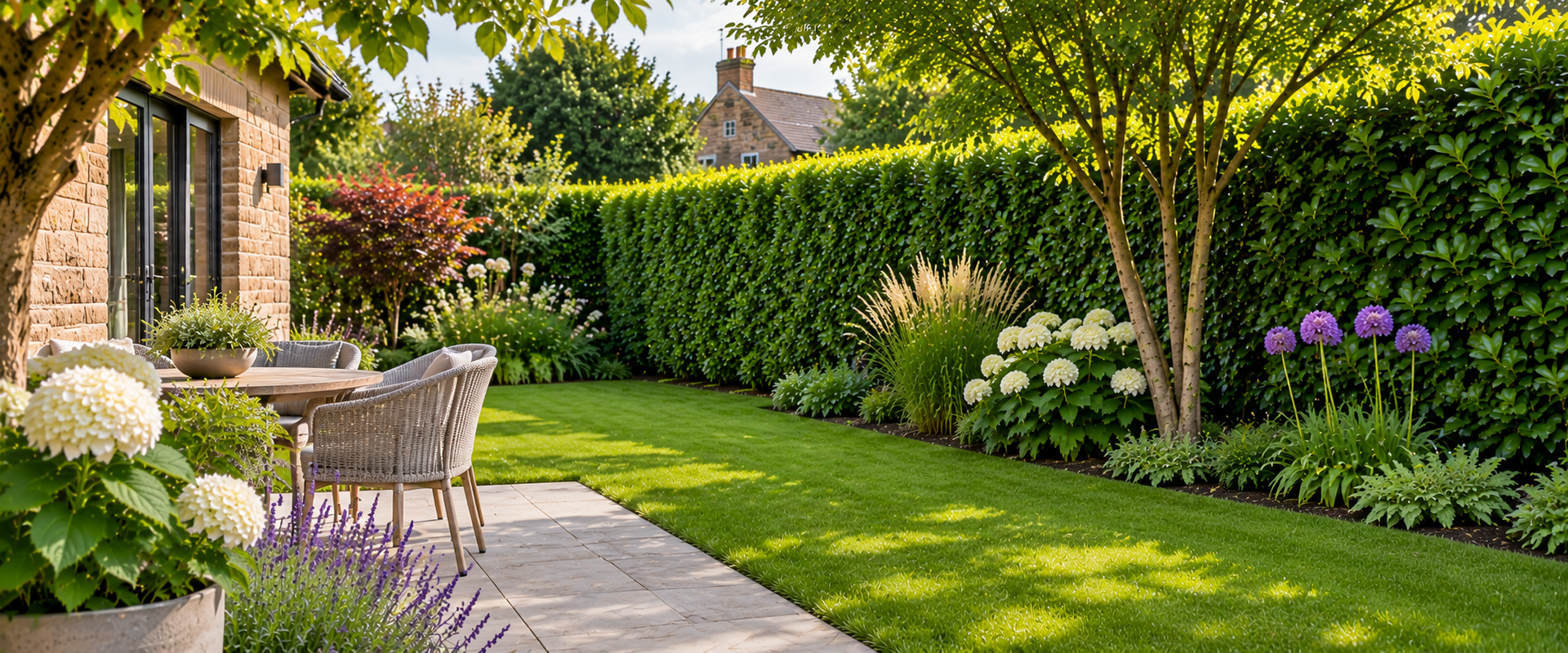
Hedging Plants & Professional Hedge Planting in Standish
Quality hedging plants for established gardens, traditional properties, mature landscapes and privacy boundaries in Standish, Standish Lower Ground and surrounding parts of Wigan.
Introducing a new hedge into an established garden requires more than selecting attractive plants. Existing trees, mature shrubs, old boundary structures and soil conditions can all influence where and how a hedge should be planted.
Landscaping Emporium supplies evergreen, deciduous and native hedging plants, with professional supply and planting available for suitable projects.
Whether you want to restore a traditional garden boundary, create discreet privacy screening or introduce structure alongside mature planting, we can help you consider appropriate hedging options.
Selected by designers. Installed by professionals.
Choosing Hedging for Established Gardens in Standish
Standish includes traditional residential streets, established gardens and newer housing developments. Each property presents different opportunities and constraints for hedging.
In a mature garden, the aim is often to introduce a new boundary without losing the character created by existing trees, shrubs and planting.
Traditional Garden Boundaries
Native and deciduous hedging can provide a softer alternative to modern fencing, particularly where a natural appearance complements the property.
Privacy Around Mature Gardens
Carefully positioned evergreen hedging can improve screening while retaining important established garden features.
Planting Near Existing Trees
Consider root competition, canopy shade and the implications of excavation before selecting a planting line.
Restoring Older Boundaries
Existing walls, mature hedges and historic landscape features may influence the appropriate design and planting method.
Planting a New Hedge Near Established Trees
One of the most important considerations in an established garden is competition from existing tree roots.
Mature trees can extract substantial quantities of water and nutrients from the surrounding soil. Their canopies may also reduce the light reaching newly planted hedging.
These conditions can make hedge establishment more difficult, particularly during dry periods.
Tree Roots May Extend Well Beyond the Canopy
Avoid assuming that ground outside the visible canopy is free from important roots. Significant roots can extend beyond the branch spread.
Where established trees could be affected, the planting position and excavation method should be assessed before work begins.
Protected trees may require additional checks and specialist arboricultural advice.
Four Checks Before Planting Near Mature Trees
Check the Rooting Area
Assess the likely presence of roots before excavating a continuous planting trench. Avoid unnecessary root damage.
Assess Light Levels
Consider seasonal canopy shade and whether the chosen hedge can tolerate the available light.
Consider Soil Moisture
Established trees can create dry conditions even in gardens where the surrounding soil is normally moisture-retentive.
Plan Establishment
New hedging may require careful watering and monitoring while competing with established vegetation.
Hedging Plants for Standish Gardens
These six species offer a choice of evergreen privacy, formal structure and traditional deciduous or native boundaries. Their suitability depends on the individual site.
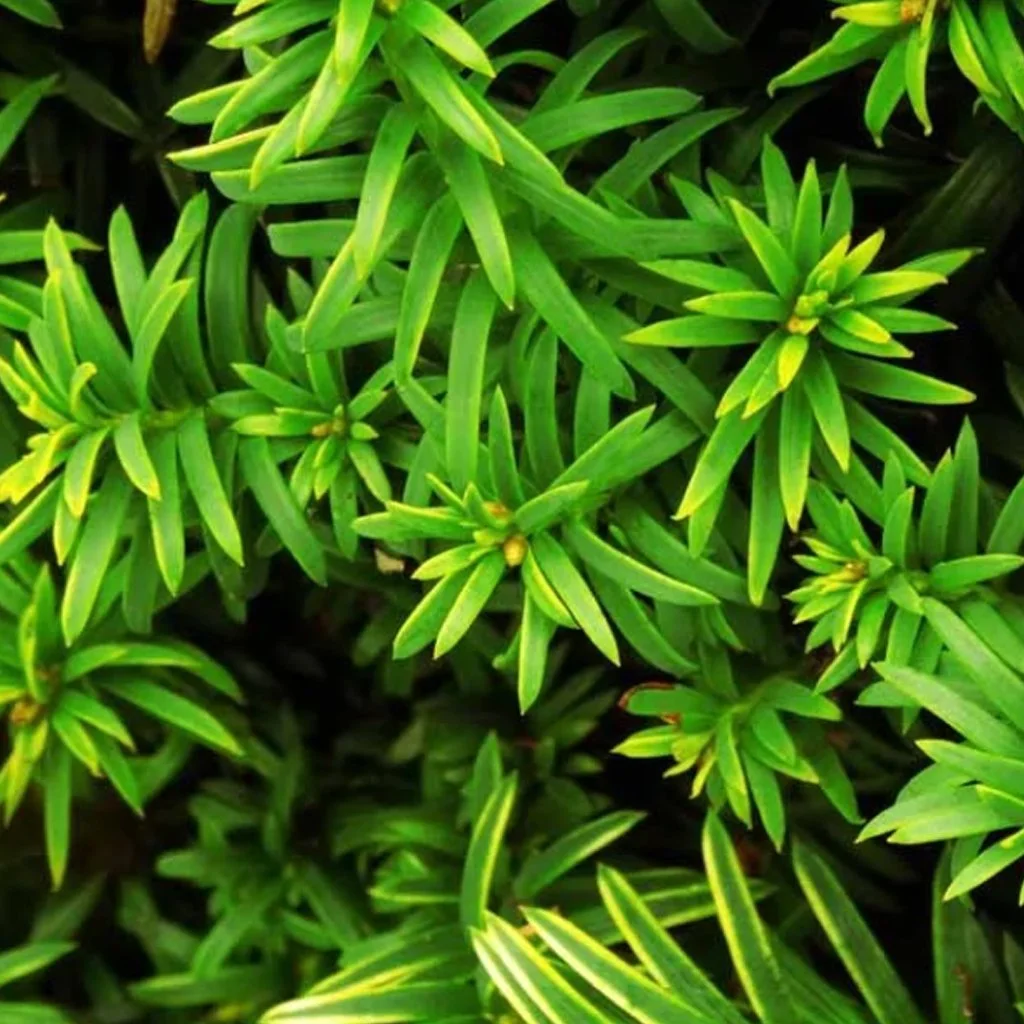
English Yew
Dense evergreen hedging for formal boundaries. Tolerates some shade but requires adequate drainage. Yew is poisonous if eaten.
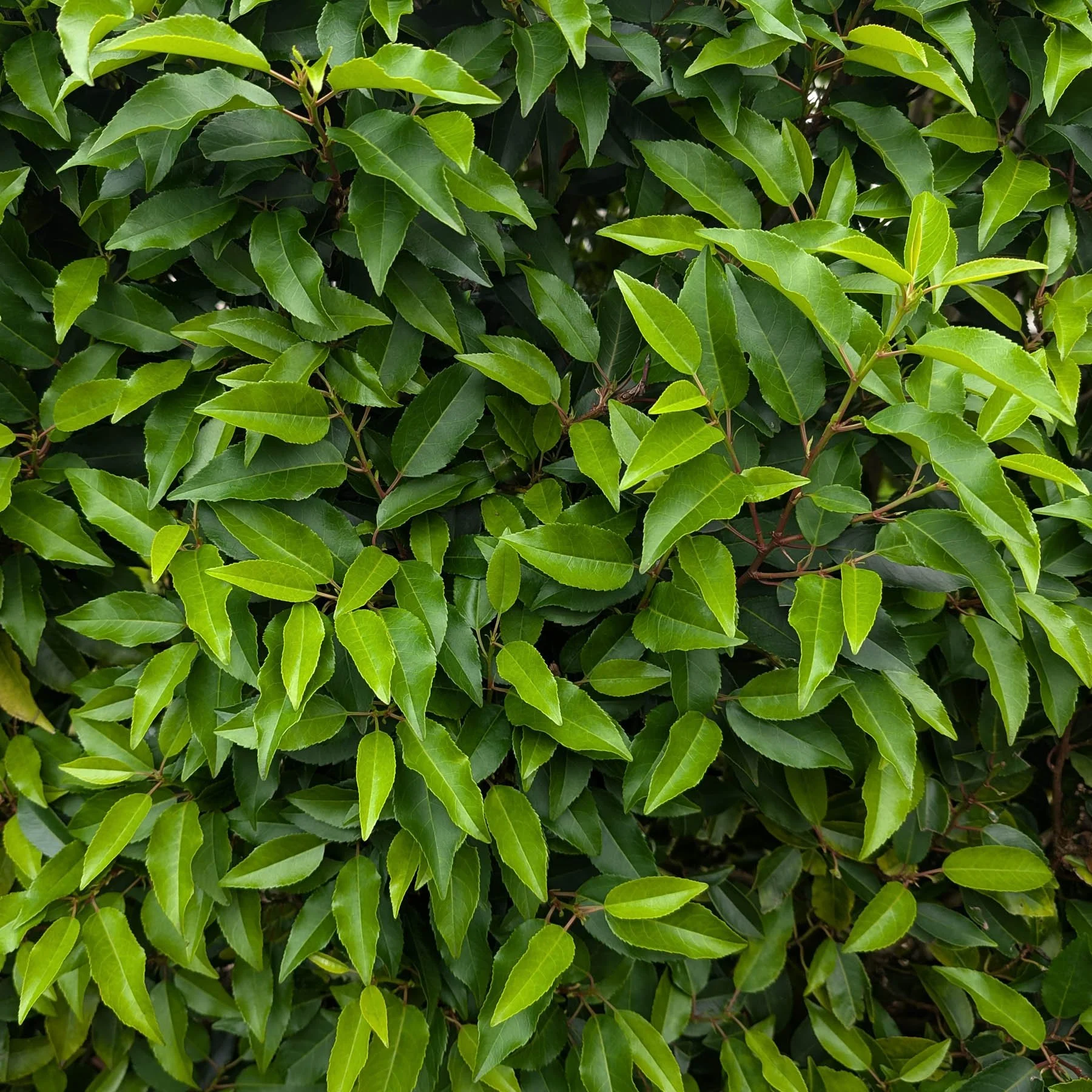
Portuguese Laurel
Elegant evergreen foliage and reddish stems for attractive privacy screening. Allow sufficient space for mature growth.
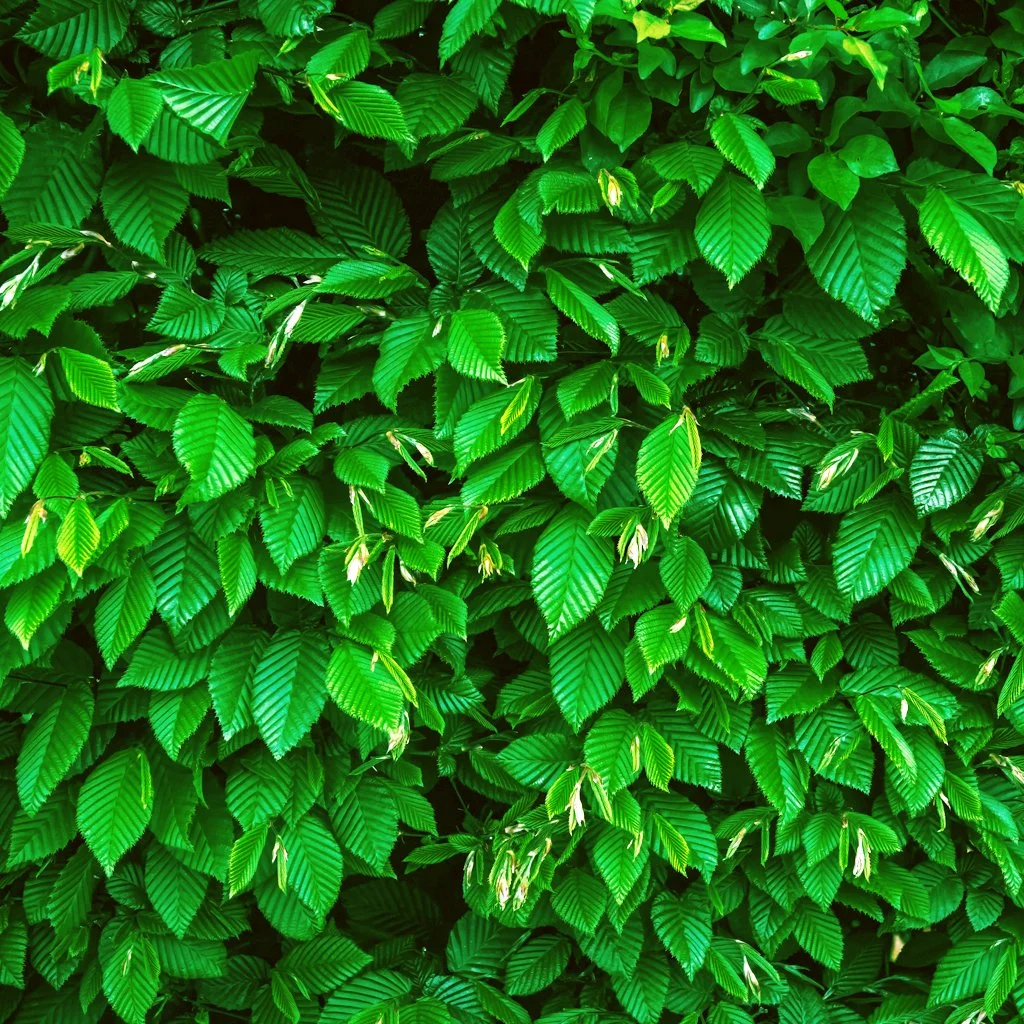
Hornbeam
A versatile deciduous hedge suitable for many heavier soils. Regular clipping can encourage retention of some dry leaves in winter.
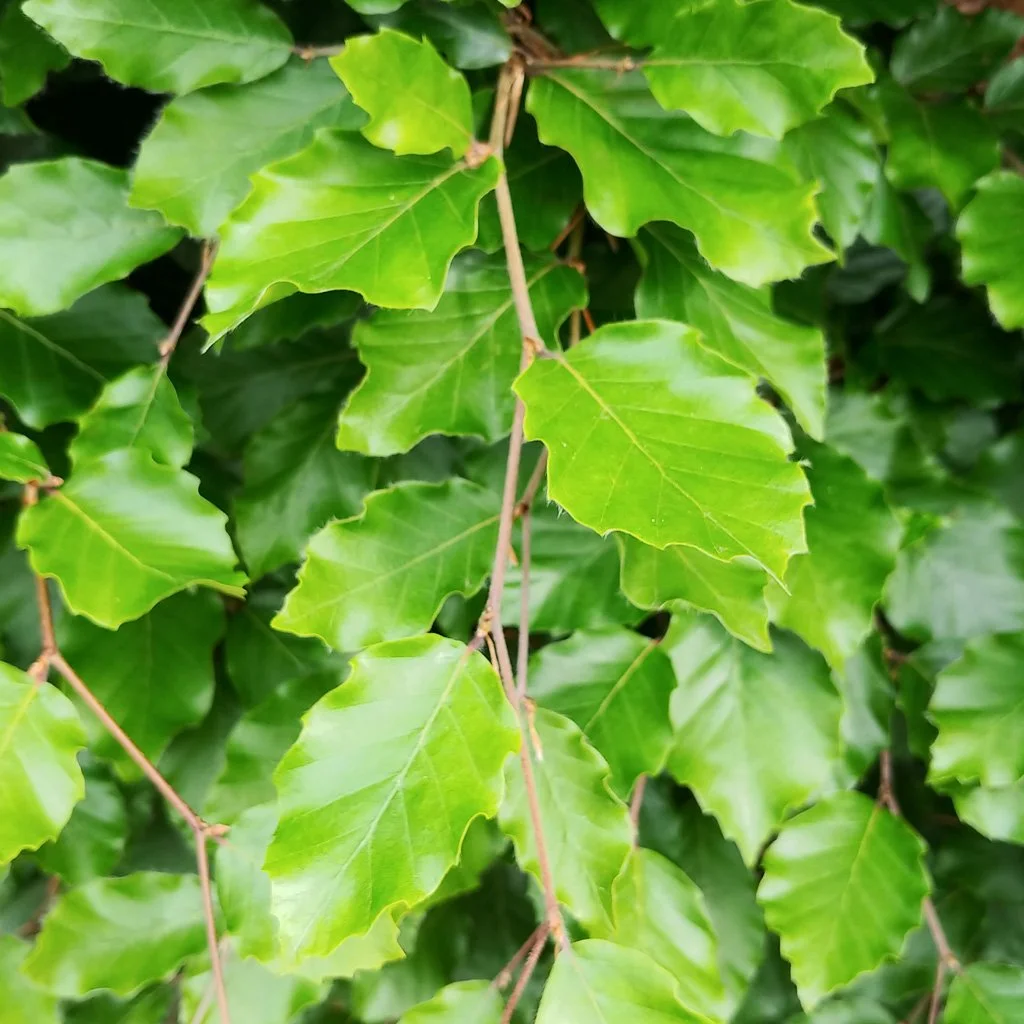
Green Beech
Traditional clipped hedging with fresh spring growth, autumn colour and possible winter leaf retention. Avoid persistently wet ground.
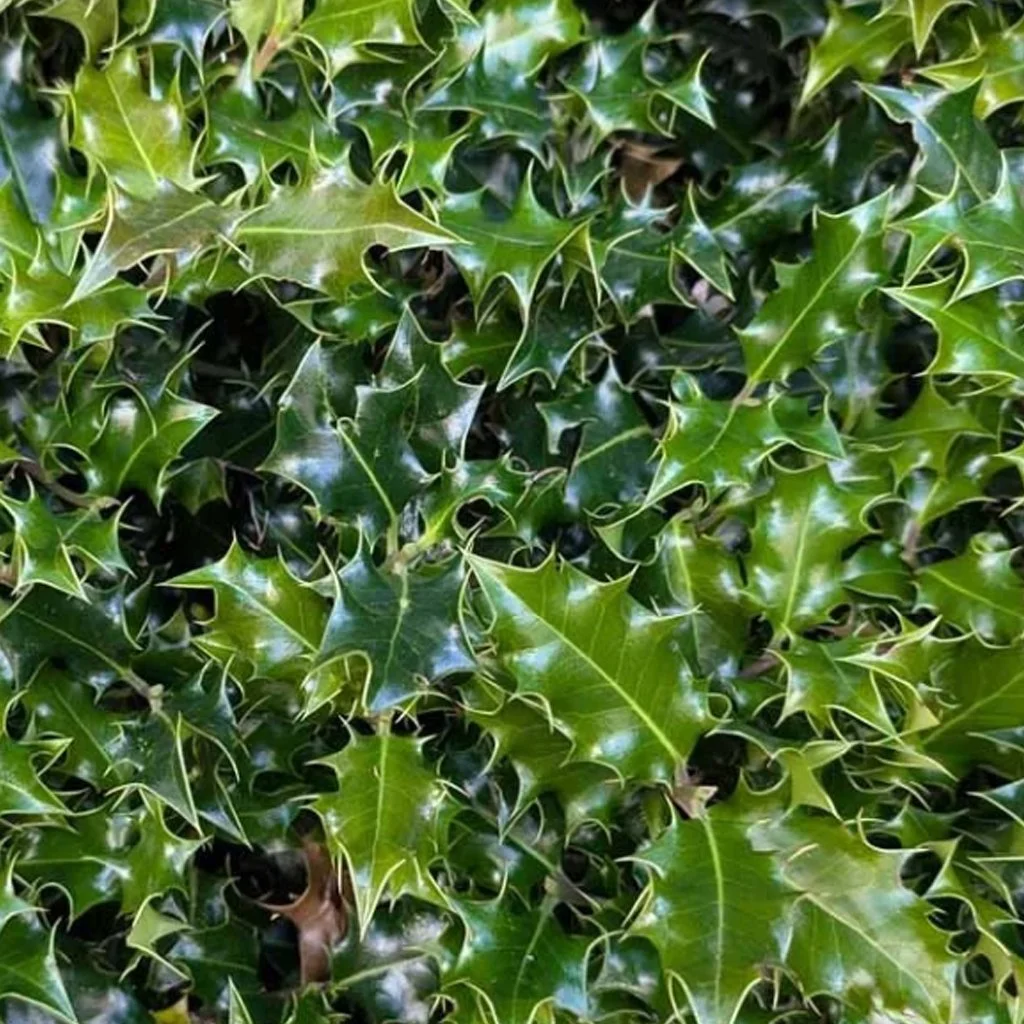
English Holly
Native evergreen hedging with year-round structure and often spiny foliage. Can suit partially shaded gardens.
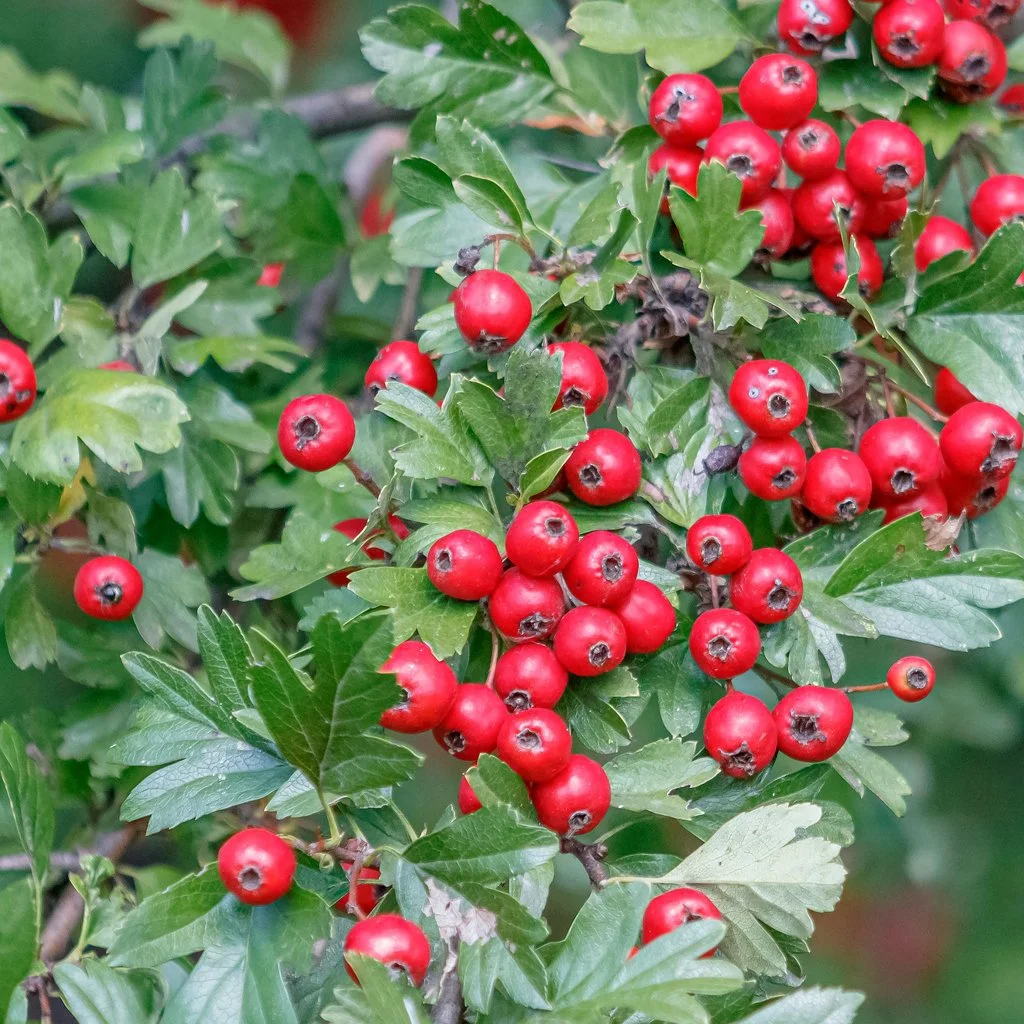
Hawthorn
Traditional native hedging with spring blossom, autumn berries and valuable wildlife habitat. Particularly suited to informal boundaries.
Hedging for Traditional Properties and Conservation Areas
Some established properties in Standish have mature boundaries, older garden features and traditional planting that contribute to the character of the setting.
When introducing new hedging, consider how the species, intended height and long-term appearance will relate to the existing garden and property.
Traditional Appearance
Beech, Hornbeam, Hawthorn and Yew can provide different traditional hedging styles, depending on the intended boundary.
Existing Boundary Features
Retain important walls, established planting and landscape features wherever appropriate.
Check Protected Trees and Historic Features
Planting a hedge is not automatically prohibited within a conservation area. However, excavation, tree work, alterations to protected structures and some boundary changes may require checks before work begins.
Tree Preservation Orders, conservation-area tree protections and listed-building considerations should be investigated where relevant.
Replacing an Old or Failing Hedge in Standish
An existing hedge may become thin, overgrown, diseased or unsuitable for the space it occupies. Replacement can provide an opportunity to establish a more appropriate boundary.
Before removing a hedge, it is important to understand why it has declined. Poor drainage, root competition, insufficient light or repeated drought can also affect replacement plants.
Assess the Existing Hedge
Identify the species, condition and possible causes of decline before deciding on removal.
Check Constraints
Consider nesting birds, protected features, neighbouring boundaries and existing tree roots.
Prepare the Ground
Remove unsuitable material and address soil or drainage problems where appropriate.
Choose Replacement Plants
Select species and planting sizes that suit the conditions and the intended mature boundary.
If an existing hedge is providing important privacy, phased replacement may be worth considering where practical.
Hedging for Shade, Heavier Soils and Mature Gardens
Established gardens often contain several different planting conditions within a relatively small area.
Some hedging species tolerate shade or moisture-retentive soils. However, shade combined with dry soil and root competition can be particularly challenging.
| Site condition | What to consider |
|---|---|
| Partial shade | Yew and Holly may be suitable where drainage and establishment conditions are adequate. |
| Heavier soil | Hornbeam may be suitable for many moisture-retentive soils, but prolonged waterlogging remains a concern. |
| Dry soil beneath trees | Root competition and establishment watering may be more significant than shade alone. |
| Established tree roots | Avoid unnecessary excavation and assess whether the planting location is practical. |
These are general horticultural considerations, not a site-specific planting recommendation.
Bare-Root, Rootballed and Container-Grown Hedging
Bare-Root Hedging
Often economical for native and deciduous hedging during the dormant planting season. Useful where gradual establishment is acceptable.
Rootballed Hedging
Larger established plants supplied with a retained soil ball. Generally available from mid-October to late April, weather permitting.
Container-Grown Hedging
Offers greater seasonal flexibility, subject to suitable ground conditions and establishment care.
Larger plants may provide earlier screening, but can be more difficult to establish in restricted or heavily rooted areas.
Plant size and stock type should be chosen after assessing the planting location.
Professional Hedge Supply and Planting in Standish
Landscaping Emporium works alongside Kirman Design to offer professional hedge supply and planting for suitable projects in Standish and surrounding Wigan areas.
Depending on the agreed specification, our service can include plant selection, quantity calculations, delivery, ground preparation, planting and aftercare advice.
Initial Enquiry
Tell us the location, approximate hedge length, desired height and purpose. Photographs are helpful.
Site Considerations
We consider access, drainage, existing planting, tree roots and any boundary constraints.
Planting Specification
Suitable species, plant sizes, quantities and ground preparation are considered.
Installation and Aftercare
Professional planting can be arranged where suitable, with guidance on watering and establishment.
Read more about our professional hedge supply and planting service .
How Much Does Hedge Planting Cost in Standish?
The price of a new hedge depends on the species, supplied plant size, hedge length, planting density and site conditions.
Established gardens can introduce additional work where access is restricted, old planting needs removing or tree roots must be protected.
| Factor | Why it matters |
|---|---|
| Hedge length | Determines the approximate number of plants required. |
| Plant height | Larger plants generally increase material and handling costs. |
| Existing vegetation | Removal and preparation may be needed before planting. |
| Tree root protection | May restrict excavation and require specialist advice. |
| Access | Affects delivery, handling and installation. |
| Aftercare | Watering and mulching support establishment. |
For a quotation, please provide your postcode, approximate hedge length, preferred planting height and photographs of the proposed boundary.
Standish Hedging FAQs
Which hedging plants are suitable for established gardens in Standish?
Yew, Hornbeam, Beech, Holly, Hawthorn and Portuguese Laurel are possible options depending on soil, drainage, light, available space and the intended appearance.
Can you plant a hedge near mature trees?
Sometimes, but existing tree roots, shade and soil moisture must be assessed. Where important roots could be damaged, an alternative planting position may be necessary.
Can you replace an old or failing hedge?
Yes, subject to site suitability. It is important to understand why the existing hedge has declined before replacing it.
Do conservation area rules affect hedge planting?
Hedge planting itself is not automatically prohibited in a conservation area. However, work affecting protected trees, listed structures or other protected features may require additional checks.
Can you supply larger hedging for immediate screening?
Larger rootballed or container-grown plants may be available. Their suitability depends on the planting space, access, species and establishment conditions.
Do you offer supply-only hedging in Standish?
Yes. Customers can purchase hedging plants without installation, subject to product availability and delivery arrangements.
Hedging in Standish and Surrounding Wigan Areas
Landscaping Emporium welcomes hedging enquiries from Standish, Standish Lower Ground and neighbouring communities.
Explore our Wigan Hedging Guide, Shevington Hedging Guide and Greater Manchester Hedging Guide .
You can also browse hedging plants or use our Hedge Selector to compare suitable species.
Planning a New Hedge in Standish?
From sympathetic planting in established gardens to evergreen privacy boundaries, we can help you consider suitable hedging plants and professional planting options.
Telephone: 01942 604976
Email: hello@landscapingemporium.co.uk
Selected by designers. Installed by professionals.