
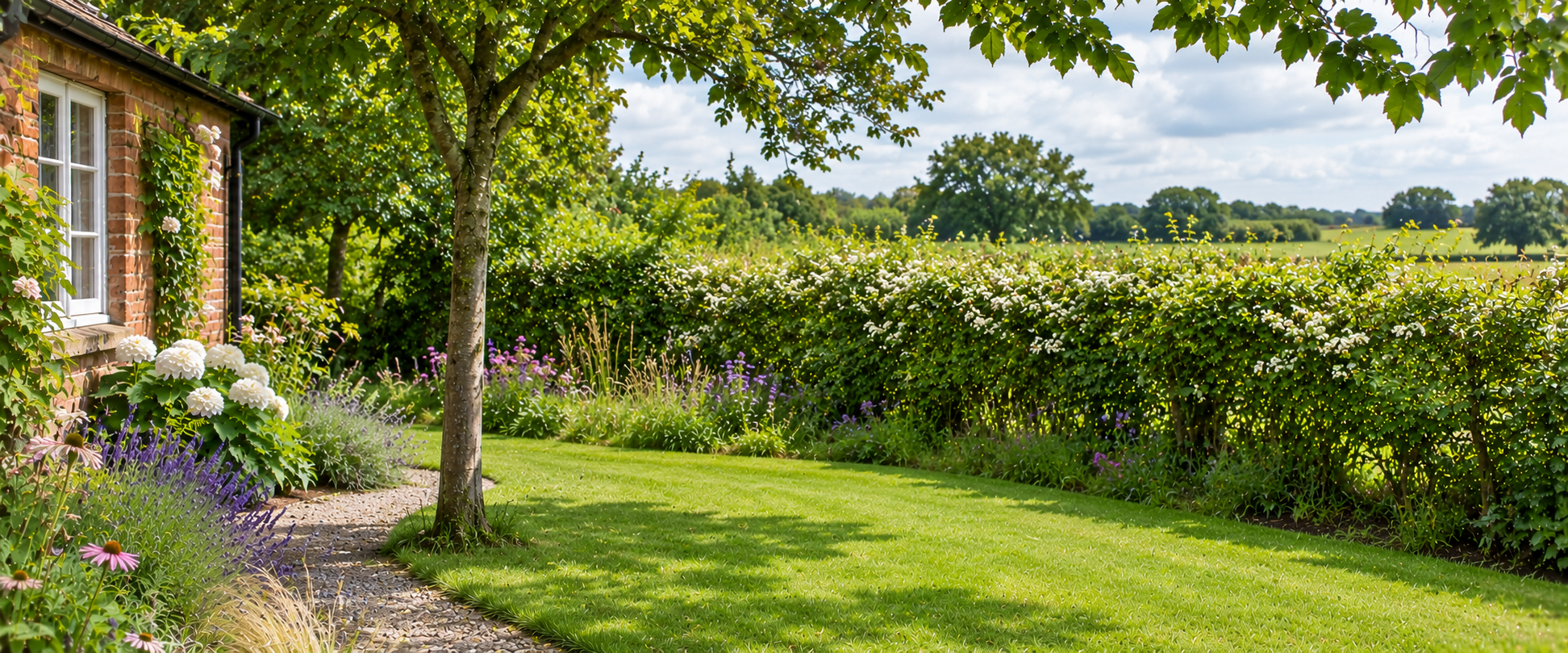
Hedging Plants & Professional Hedge Planting in Oakmere
Evergreen, native and traditional hedging for woodland-edge gardens, countryside properties, rural boundaries and natural screening in Oakmere, Cheshire.
Oakmere's setting near Delamere Forest and the surrounding countryside creates opportunities for both formal garden hedging and natural boundary planting.
A carefully chosen hedge can provide privacy around a home, filter wind across an exposed garden and establish a more natural transition between domestic planting and the wider landscape.
Landscaping Emporium supplies quality hedging plants, including native, evergreen and deciduous species, with professional supply and planting available for suitable projects.
Selected by designers. Installed by professionals.
Hedging for Country Homes & Woodland-Edge Gardens
Gardens around Oakmere may include established trees, open countryside boundaries, sheltered residential spaces and larger rural plots. These different settings require different approaches to hedge design.
A formal evergreen hedge close to the house can provide structure and year-round privacy, while native hedging along the outer boundary may sit more naturally within the countryside.
The relationship between the hedge, existing trees and surrounding landscape is particularly important where gardens adjoin woodland.
Woodland-Edge Boundaries
Hedging selected for partial shade, existing tree roots and the transition between garden and woodland.
Evergreen Privacy
Yew, Holly and Portuguese Laurel for year-round screening where site conditions are suitable.
Native Countryside Hedgerows
Hawthorn and mixed native species for informal boundaries, seasonal interest and wildlife habitat.
Formal Garden Structure
Clipped hedging to frame driveways, garden entrances, lawns and ornamental planting.
Choosing Hedging Near Woodland & Mature Trees
Planting a hedge close to established trees can be more challenging than planting in an open garden.
The presence of mature trees can affect light, soil moisture, root space and the amount of rainfall reaching the ground.
Shade Beneath Existing Trees
Light levels can vary significantly between summer and winter. Some species tolerate partial shade, but very dense shade can restrict growth.
English Yew and Holly are possible choices for certain shaded locations, provided the rooting conditions are suitable.
Competition for Water
Established tree roots can absorb substantial quantities of moisture, leaving new hedging vulnerable to drought during establishment.
A shaded planting strip should not automatically be assumed to be moist.
Protecting Existing Trees
Avoid unnecessary excavation and damage to significant tree roots. Where protected trees are present, additional planning and appropriate planting methods may be necessary.
Maintaining a Natural Woodland Transition
A less formal native hedge may be appropriate where the garden meets woodland or countryside.
Species selection should reflect the surrounding landscape, available space and intended maintenance.
Before Planting Along a Woodland Boundary
Check the degree of shade, soil moisture, root competition and access for future maintenance. Include photographs of existing trees when requesting a quotation.
Hedging for Wind Shelter in Oakmere Gardens
Gardens adjoining open countryside may experience greater wind exposure than sheltered residential plots.
A suitably designed hedge can help filter wind and provide a more comfortable environment for gardens and outdoor seating areas.
Choosing a Shelter Hedge
Hawthorn is a traditional choice for rural boundaries, while Hornbeam can be clipped to form a substantial deciduous hedge.
Evergreen species can provide additional winter screening, where exposure and soil conditions allow.
Hedge Height & Density
A shelter hedge should be designed to filter airflow rather than function as an entirely solid wall.
The intended height, density and maintained width influence how effectively the hedge provides shelter.
Establishment in Exposed Conditions
New plants may need appropriate support, protection and careful watering during establishment.
The planting specification should reflect the degree of exposure and the size of the supplied plants.
Popular Hedging Plants for Oakmere Gardens
These six species provide options for woodland-edge planting, countryside boundaries, evergreen privacy and formal garden structure.
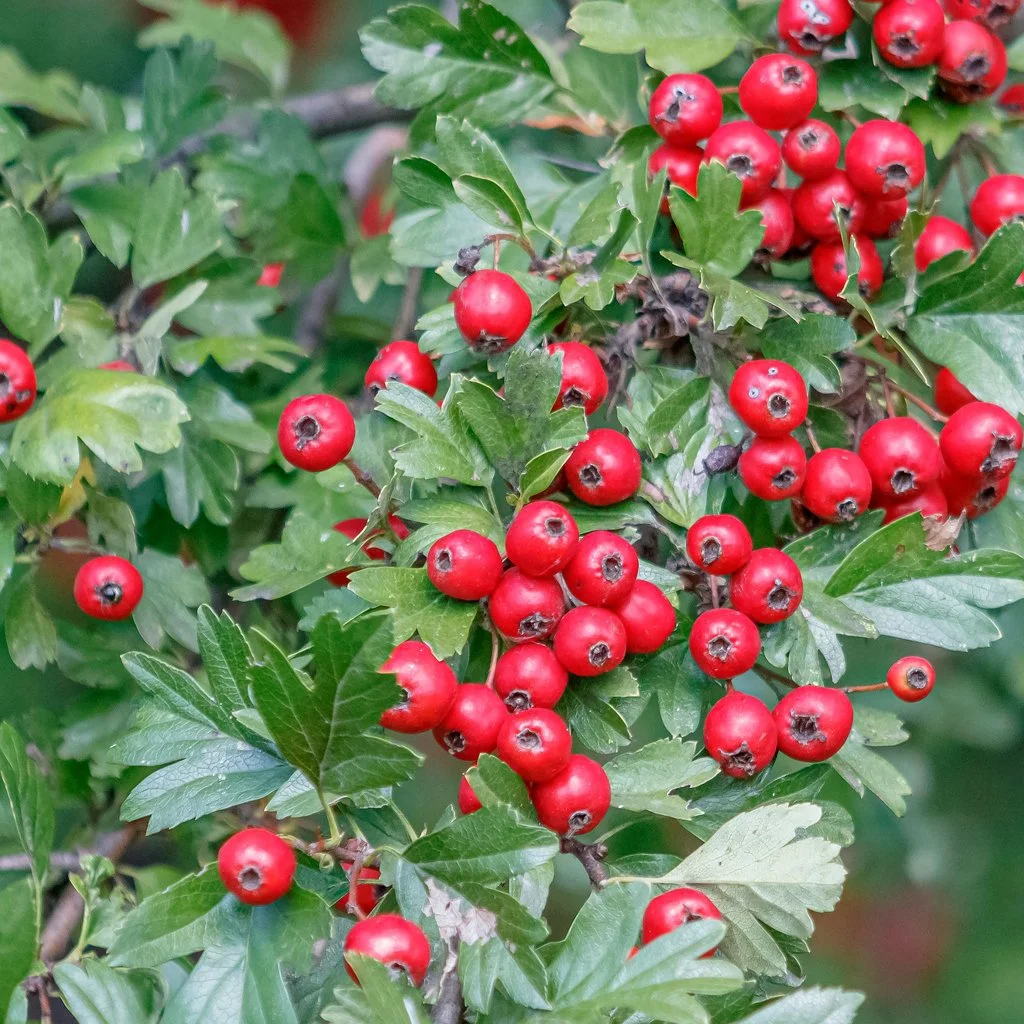
Hawthorn
Traditional native hedging with spring blossom, autumn berries and thorny growth. Suitable for many rural boundaries and wildlife-friendly gardens.
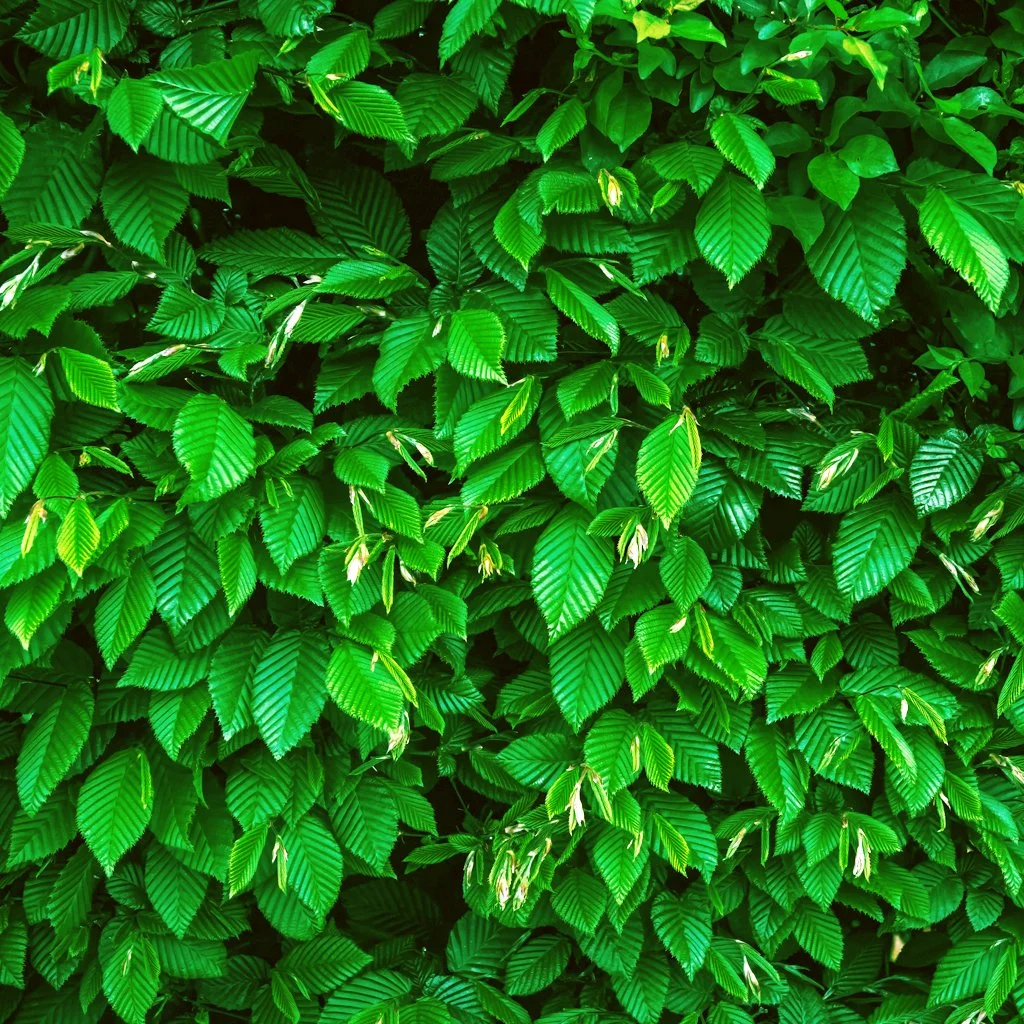
Hornbeam
Traditional deciduous hedging that tolerates many heavier soils and responds well to clipping where drainage is adequate.
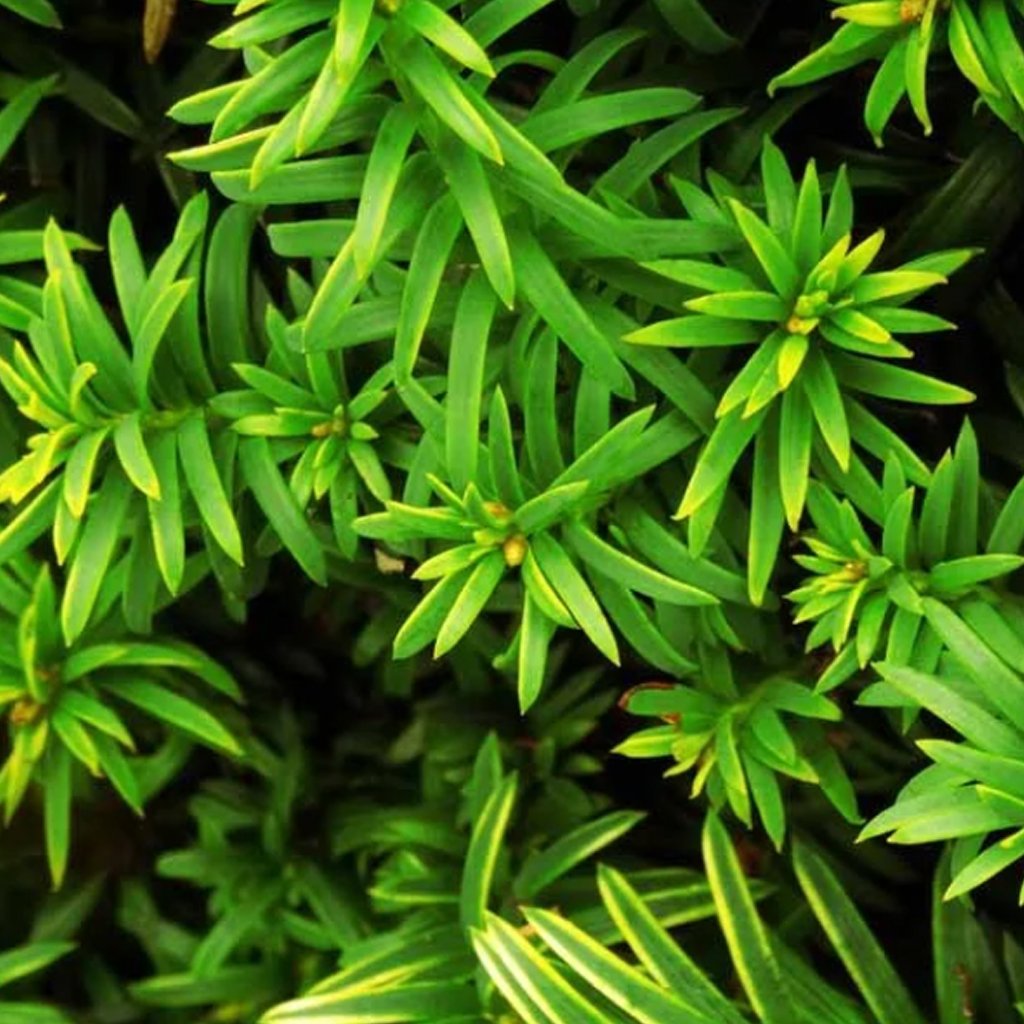
English Yew
Dense evergreen hedging for formal boundaries and privacy. Tolerates some shade but requires adequate drainage. Highly toxic if ingested.
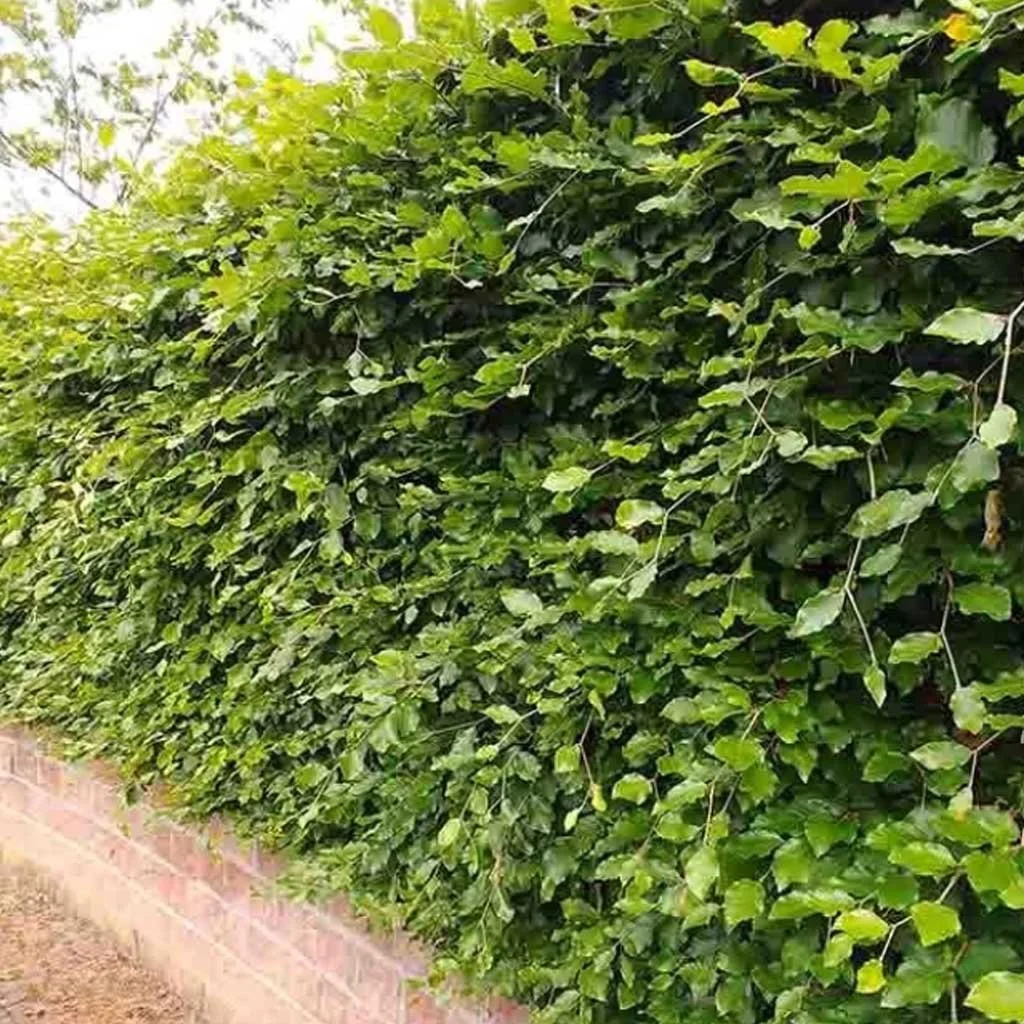
Green Beech
Classic deciduous hedging with green summer foliage and coppery autumn colour. Clipped plants may retain some leaves in winter.
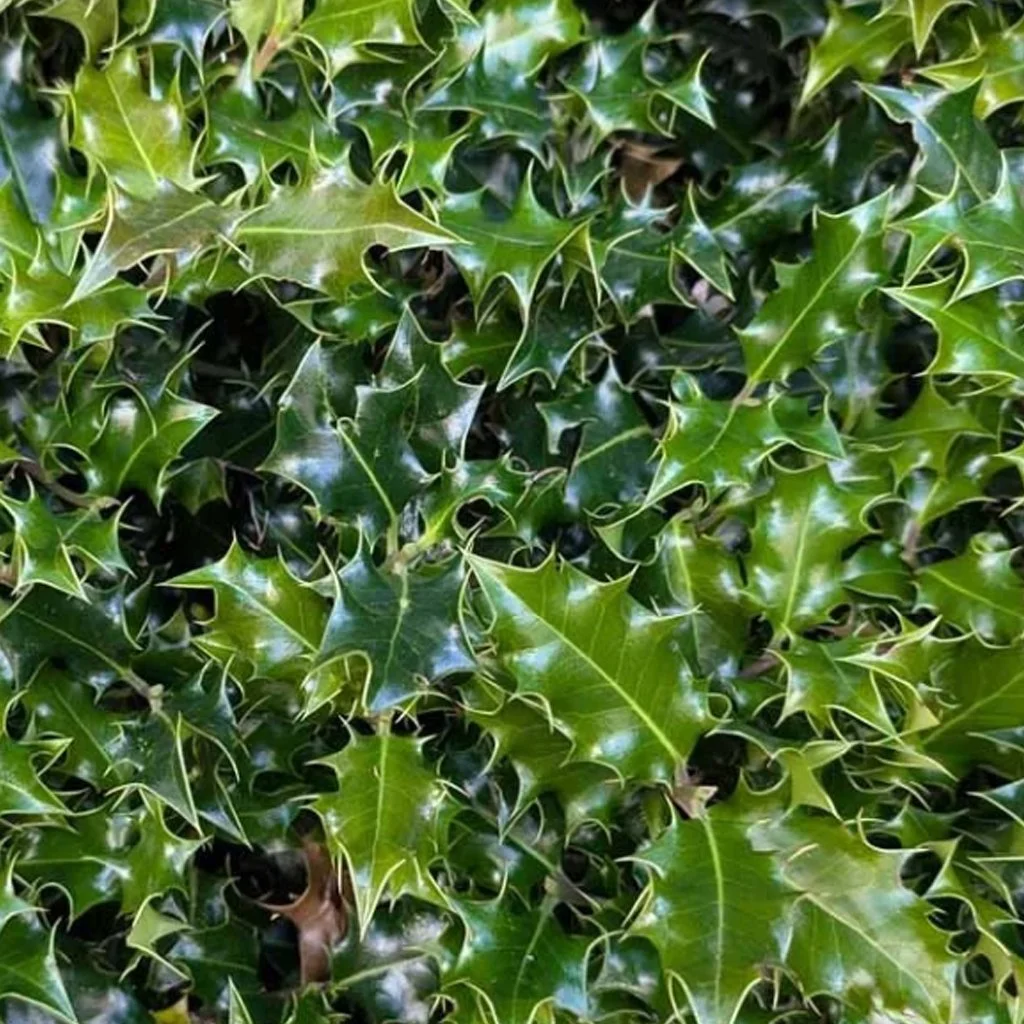
English Holly
Native evergreen hedging with often-spiny foliage and year-round structure. Useful for suitable partially shaded positions.
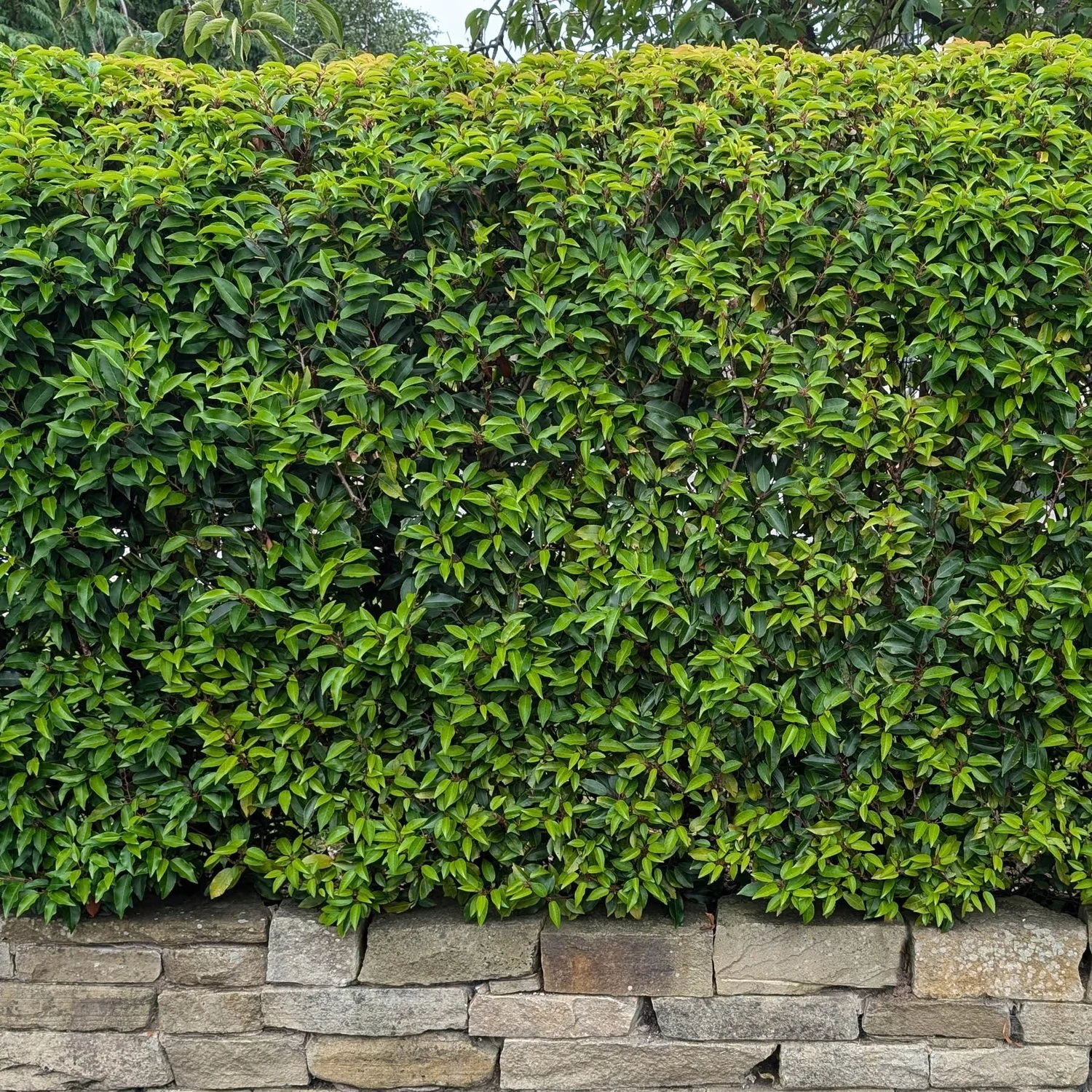
Portuguese Laurel
Evergreen hedging with glossy foliage and reddish stems for garden privacy and landscaped boundaries where conditions suit.
Plant sizes, stock types and availability vary by species and season.
Native Hedgerows for Oakmere's Countryside Boundaries
Native hedgerows can provide a natural boundary around rural gardens, paddock edges and larger countryside properties.
They can introduce seasonal blossom, berries, autumn colour and valuable habitat for wildlife.
Hawthorn Hedging
Hawthorn is a traditional native hedgerow species with thorny growth, spring blossom and autumn berries.
Mixed Native Hedgerows
A suitable mixed hedge might combine Hawthorn with other locally appropriate native species, such as Hazel, Field Maple or Dog Rose.
The mixture should be selected for soil conditions, space, exposure and intended management.
Existing Hedgerows
Existing countryside hedgerows can have ecological and landscape value. Some are protected by legislation or planning controls.
Check applicable requirements before removing or substantially altering an established hedgerow.
Livestock & Grazing Animals
Where horses or livestock may reach a hedge, species toxicity and appropriate fencing must be considered.
English Yew is highly toxic to grazing animals and should not be planted where they could access it.
Evergreen Privacy Hedging for Oakmere Properties
Evergreen hedging provides year-round foliage and can create attractive screening around patios, lawns, driveways and residential boundaries.
English Yew
A fine-textured evergreen hedge suitable for precise clipping and formal garden boundaries where drainage is adequate.
Portuguese Laurel
A broader-leaved evergreen hedge with glossy foliage, suitable for many garden screening projects.
English Holly
A native evergreen option with distinctive foliage, including for some partially shaded locations.
Positioning for Privacy
The most effective hedge position depends on the viewing angle, differences in ground level and the area requiring screening.
A hedge positioned closer to a seating area may sometimes provide more effective privacy than a taller hedge along a distant boundary.
Soil, Drainage & Planting Conditions in Oakmere
Soil conditions can vary significantly between gardens, particularly where previous landscaping, established trees or changes in ground levels have affected the planting area.
Heavier Soils
Hornbeam tolerates many heavier soils, provided the ground is not permanently waterlogged.
Well-Drained Positions
Yew and Beech generally perform best where drainage is adequate.
Dry Soil Beneath Trees
Tree roots can make a shaded planting strip unusually dry, particularly during summer.
Checking Drainage
Observe whether water remains in the proposed planting area during wet winter weather.
Choosing the Right Hedge
Use our Hedge Selector to compare plants by soil, light, growth rate, foliage and intended purpose.
Bare-Root, Rootballed & Container-Grown Hedging
Bare-Root Hedging
Generally available during the dormant season and often economical for longer native hedgerows and countryside boundaries.
Rootballed Hedging
Available in selected species and sizes, generally from mid-October to late April, weather permitting.
Container-Grown Hedging
May provide greater flexibility in planting dates, subject to suitable ground conditions and aftercare.
Larger Hedging Plants
May provide earlier screening but require appropriate handling, access and establishment care.
How Many Hedging Plants Will I Need?
The required number depends on hedge length, species, supplied plant height, stock type and recommended spacing.
Some rootballed hedging specifications use around three plants per linear metre. Bare-root spacing varies according to plant size and planting specification.
For example, a 20-metre hedge planted at three plants per metre would require approximately 60 plants before any project-specific allowance.
How Much Does Hedge Supply & Planting Cost in Oakmere?
The cost of supplying and planting a new hedge depends on the selected species, plant size, quantity, site conditions and installation requirements.
Species & Plant Size
Different species, supplied heights and stock types have different nursery and handling costs.
Length & Planting Density
The total hedge length and recommended spacing determine the number of plants required.
Ground Preparation
Existing roots, old vegetation, compaction and drainage issues can affect preparation.
Access & Handling
Long carrying distances, restricted entrances and larger plants may increase installation requirements.
For woodland-edge gardens, additional care may be needed when working around established tree roots.
A project-specific quotation is more reliable than assuming one standard cost per metre.
Provide your postcode, approximate hedge length, preferred plant height, photographs and access details when enquiring.
Caring for Newly Planted Hedging in Oakmere
Watering
New hedging requires appropriate watering during establishment. Monitor soil moisture, particularly during dry or windy weather.
Woodland-Edge Planting
Hedging planted near mature trees may need additional attention because of competition for water.
Mulching
Suitable mulch can help conserve moisture and reduce weed competition. Keep mulch away from stems.
Weed Control
Maintain a reasonably weed-free planting strip while the hedge establishes.
Formative Pruning
Correct early pruning can encourage dense, balanced growth. Timing and technique vary by species.
Protecting Young Plants
Where rabbits, deer or other animals may damage young hedging, appropriate protection may be necessary.
Professional Hedge Supply & Planting in Oakmere
Landscaping Emporium works alongside Kirman Design to offer professional hedge supply and planting for suitable projects in Oakmere and the surrounding Cheshire area.
Depending on the agreed specification, services may include plant selection, quantity calculations, delivery, ground preparation, setting out, planting, irrigation and establishment advice.
Request a Hedge Planting Quotation
Describe the Boundary
Provide your postcode, approximate hedge length and the intended purpose of the planting.
Share Site Details
Include photographs, preferred plant height, access information and details of existing trees.
Review the Specification
Discuss suitable species, plant sizes, quantities and installation requirements.
Learn more about our professional hedge supply and planting service .
Hedging in Oakmere & Surrounding Cheshire Villages
We welcome hedging supply and planting enquiries from Oakmere and nearby Cheshire communities.
Oakmere
Woodland-edge planting and evergreen screening for country gardens.
Delamere
Natural garden boundaries and hedging near established woodland.
Norley
Native hedgerows and planting for rural properties.
Kelsall
Traditional hedging and evergreen privacy for suitable sites.
Sandiway
Clipped garden hedging and residential screening.
Tarporley
Country garden boundaries and professional hedge planting.
Professional planting availability depends on location, project requirements and site access.
Oakmere Hedging FAQs
Which hedging plants are suitable for Oakmere gardens?
Hawthorn, Hornbeam, Yew, Beech, Holly and Portuguese Laurel are possible choices depending on soil, light, exposure and intended use.
Which hedges suit woodland-edge gardens?
Yew and Holly may suit some partially shaded positions. Soil moisture, drainage and competition from tree roots remain important.
Can I plant a hedge beneath mature trees?
Sometimes, but root competition, shade and the protection of existing tree roots must be considered.
Which hedge is best for a countryside boundary?
Hawthorn and suitable mixed native hedging can create natural boundaries with wildlife benefits.
Can a hedge provide shelter from wind?
Yes. A suitably designed and established hedge can help filter wind and provide shelter.
Which hedge provides privacy in winter?
Evergreen species such as Yew, Holly and Portuguese Laurel can provide year-round foliage and screening.
Is Hornbeam suitable for heavier soil?
Hornbeam tolerates many heavier soils, although persistently waterlogged conditions remain unsuitable.
How many plants do I need for a new hedge?
The number depends on hedge length, species, stock type, plant size and recommended spacing.
How much does hedge planting cost in Oakmere?
Costs depend on species, plant size, quantity, ground preparation, access and installation requirements.
When is bare-root hedging available?
Generally during the dormant season, subject to weather and stock availability.
When is rootballed hedging available?
Generally from mid-October to late April, weather permitting and subject to nursery availability.
Do I need to protect young hedging from wildlife?
Where rabbits, deer or other animals may damage young plants, suitable protection may be necessary.
Do you offer professional hedge planting in Oakmere?
We welcome enquiries for suitable supply and planting projects in Oakmere and nearby areas.
Can you help me choose the right hedge?
Use our Hedge Selector or submit a hedging enquiry.
Explore Hedging Across Cheshire
Visit our Cheshire Hedging Guide for regional planting advice and species selection.
Explore nearby guides for Delamere, Kelsall, Tarporley and Northwich.
Alternatively, browse our hedging plant collection or use the Hedge Selector.
Planning a New Hedge in Oakmere?
Whether you need evergreen privacy, a native countryside hedgerow or suitable planting for a woodland-edge garden, explore our hedging range or request a quotation.
Telephone: 01942 604976
Email: hello@landscapingemporium.co.uk
Selected by designers. Installed by professionals.