
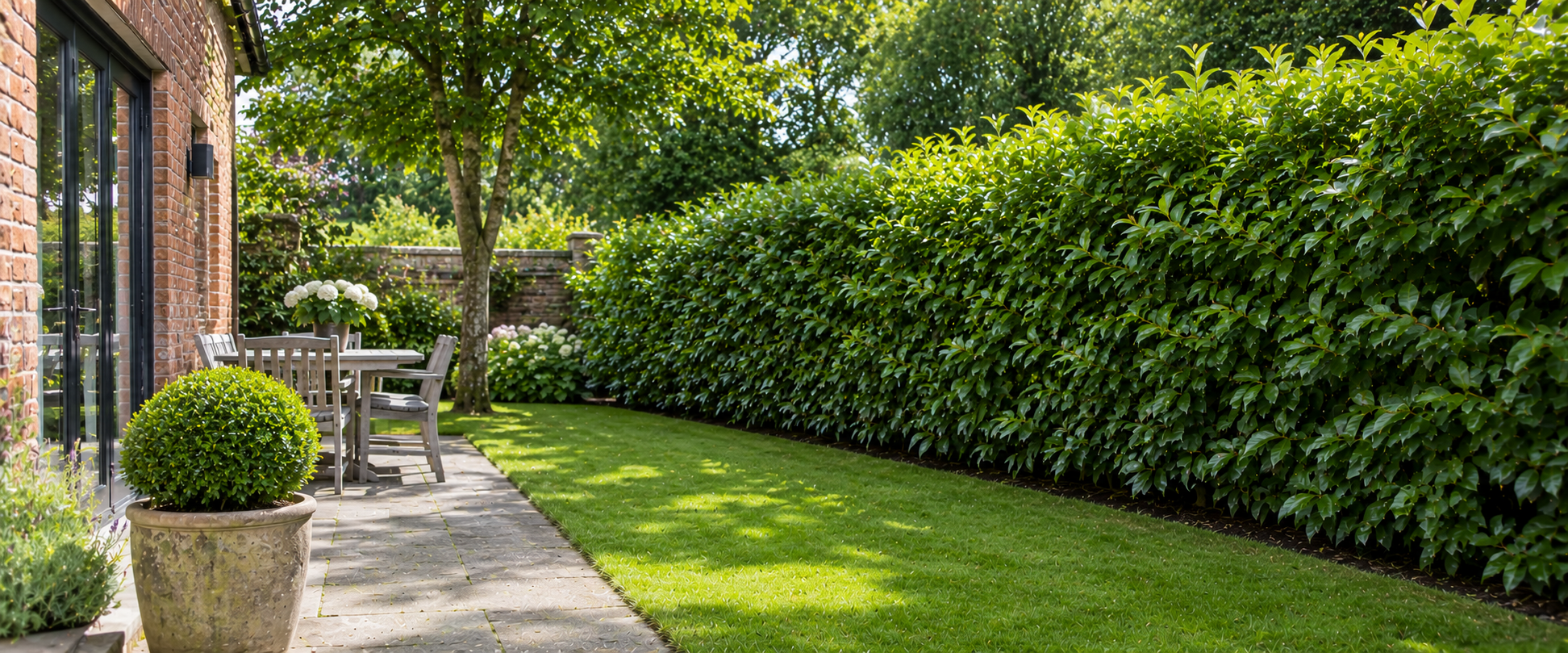
Hedging Plants & Professional Hedge Planting in Tattenhall
Quality evergreen, deciduous and native hedging for traditional village gardens, residential privacy, new garden boundaries and countryside properties throughout Tattenhall and surrounding Cheshire villages.
Landscaping Emporium supplies quality hedging plants for established homes, newer residential gardens and rural properties around Tattenhall.
Whether you want to screen an overlooked patio, soften existing fencing, frame a traditional lawn or establish a native hedgerow beside open countryside, the right hedge can provide structure, privacy and long-term garden interest.
Our range includes bare-root, rootballed and container-grown hedging, with professional supply and planting available for suitable projects.
Selected by designers. Installed by professionals.
Hedging for Traditional Village Gardens & Residential Privacy
Tattenhall combines traditional village properties, established residential gardens, newer housing and countryside-facing homes.
These different garden settings call for different hedging solutions. A small residential garden may need a carefully maintained evergreen screen, while a larger village garden may benefit from traditional Beech or Hornbeam hedging.
Properties adjoining open countryside may be better suited to native hedgerows that complement the surrounding rural landscape.
Evergreen Privacy
Yew, Portuguese Laurel and Holly for year-round screening where growing conditions are suitable.
Traditional Garden Hedges
Beech and Hornbeam for clipped boundaries, established gardens and defined lawns.
New Garden Boundaries
Hedging to soften fencing and create privacy in recently landscaped residential gardens.
Native Countryside Hedging
Hawthorn and suitable mixed native species for rural edges and wildlife-friendly planting.
Evergreen Hedging for Privacy in Tattenhall
Evergreen hedging can create a living screen between neighbouring gardens while providing a more natural appearance than a solid fence.
English Yew is a traditional choice for dense, regularly clipped screening where drainage is suitable.
Portuguese Laurel offers glossy evergreen foliage and an attractive informal or clipped appearance.
English Holly provides a native evergreen alternative for suitable sites, including some partially shaded positions.
Choosing the Right Screening Height
The required hedge height depends on the position of neighbouring windows, differences in ground level and the location of the area requiring privacy.
Screening a patio from a ground-floor window is different from screening views from an upstairs room.
Allowing for Hedge Width
The maintained width is especially important in smaller gardens. Allow sufficient space for healthy growth, access for trimming and nearby paths or seating areas.
Privacy Planting Tip
A shorter section of hedging positioned near a seating area may provide more effective privacy than planting a tall hedge along the entire boundary.
Popular Hedging Plants for Tattenhall Gardens
Explore six species for evergreen privacy, traditional garden boundaries and native planting.
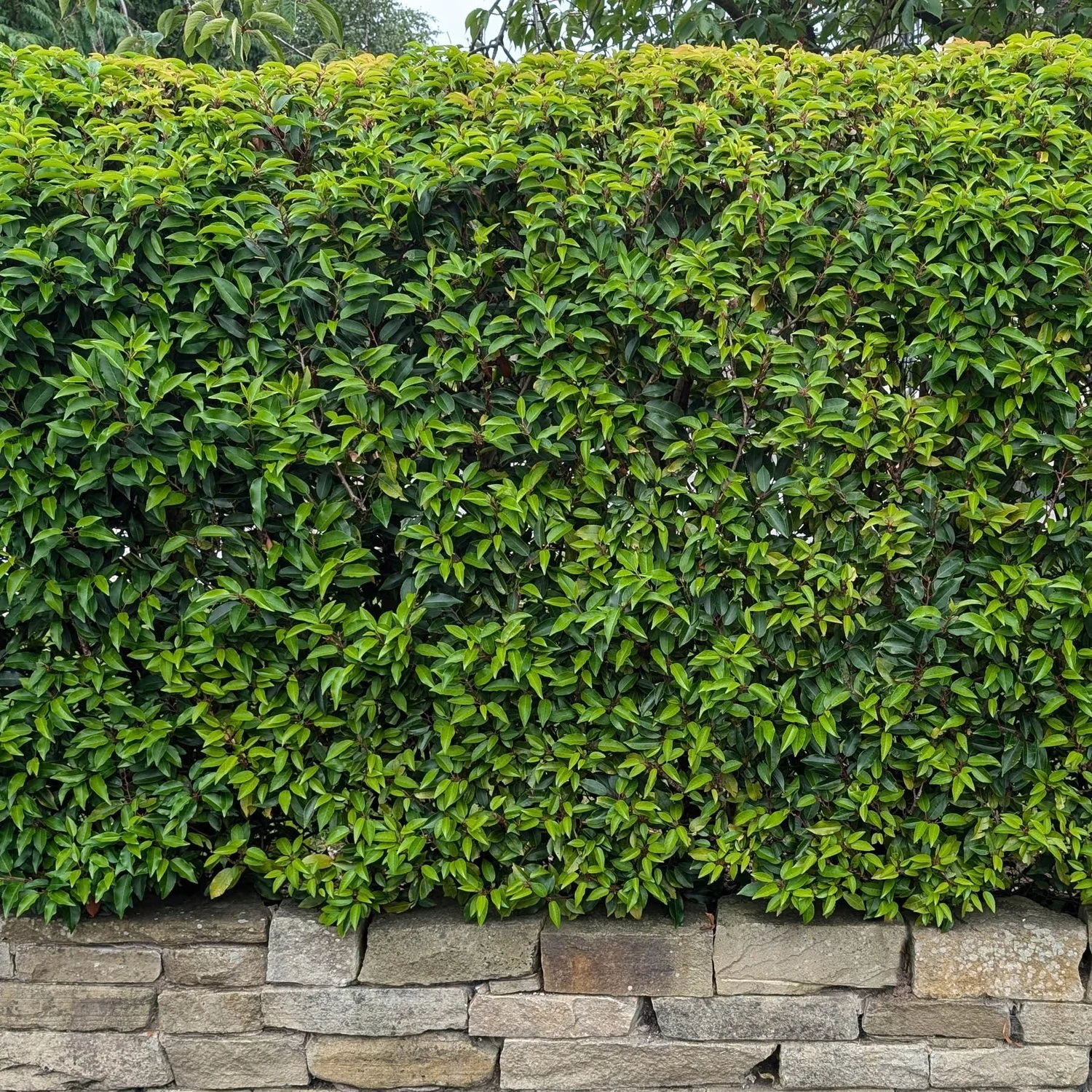
Portuguese Laurel
Evergreen hedging with glossy foliage and reddish stems for attractive garden screening on suitable sites.
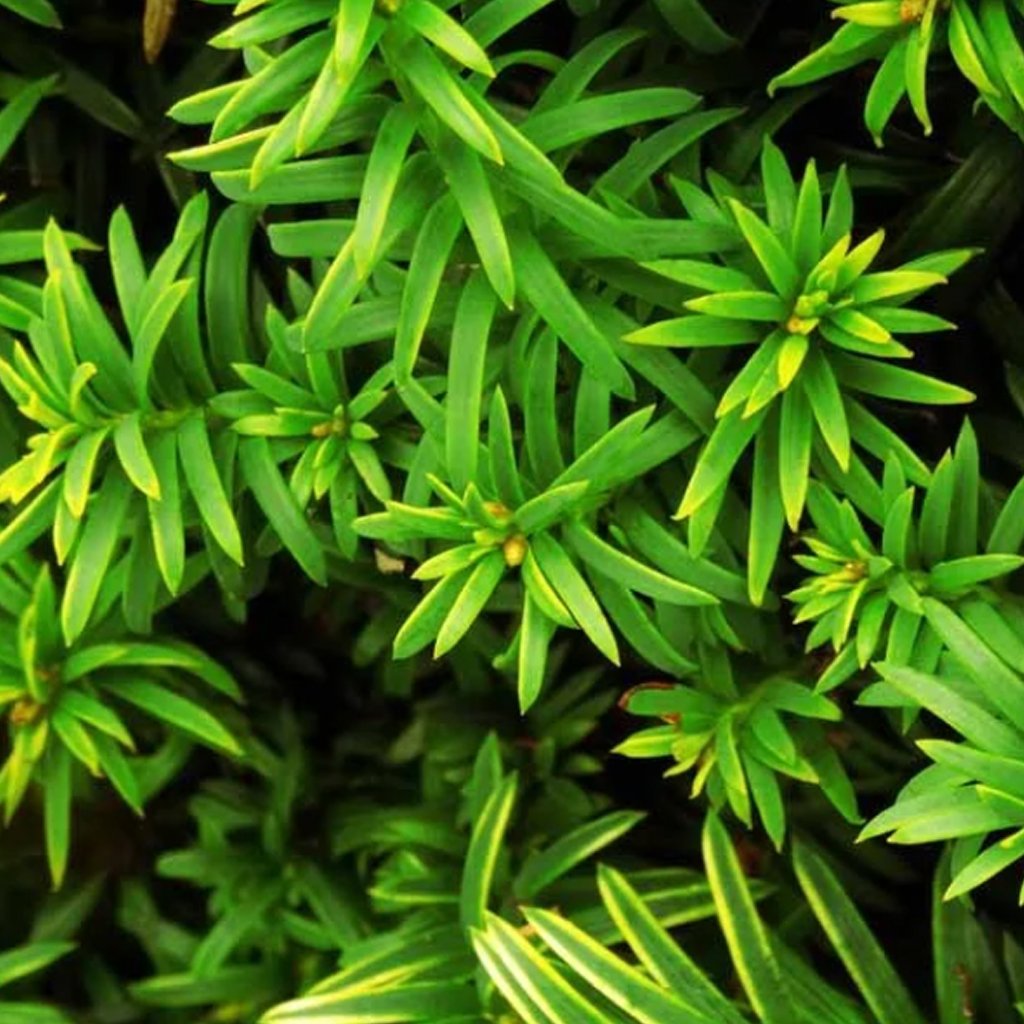
English Yew
Dense evergreen hedging for formal boundaries and year-round screening. Requires suitable drainage and is highly toxic if ingested.
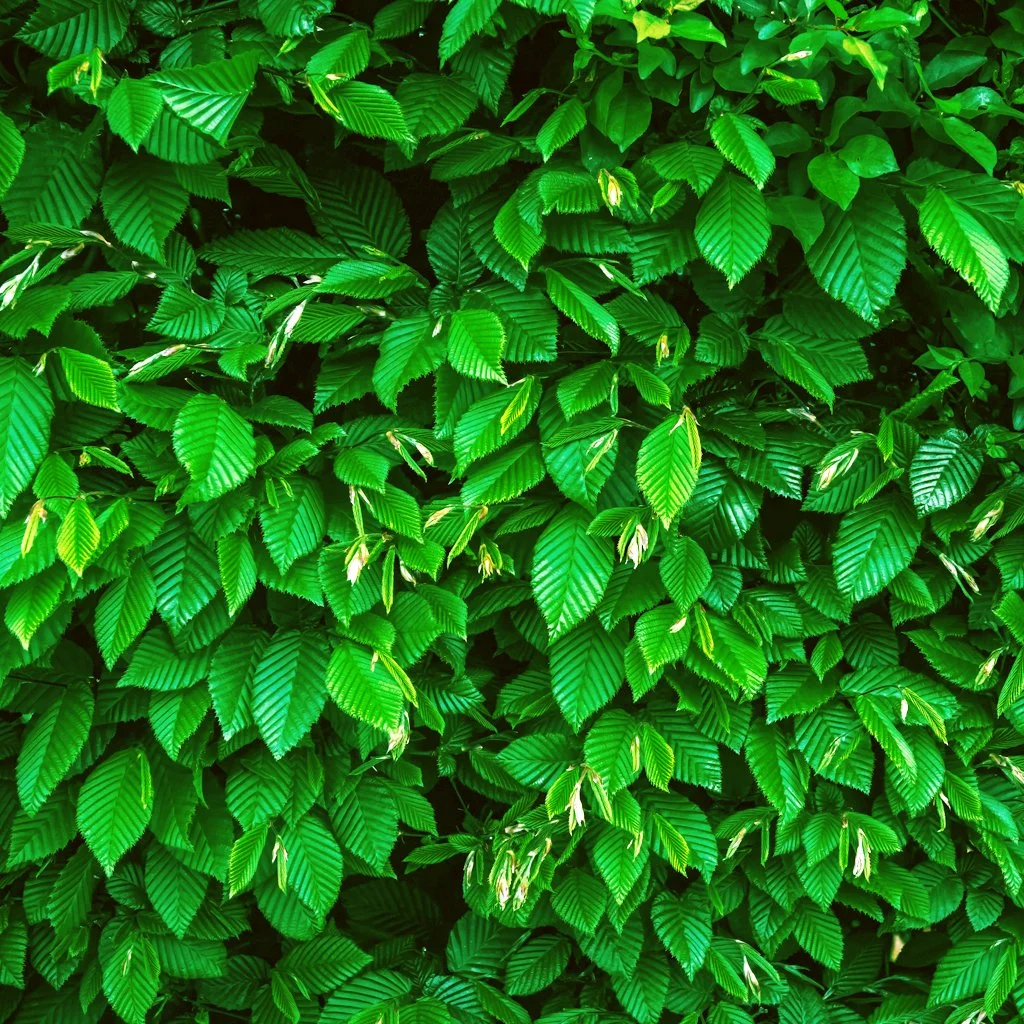
Hornbeam
Traditional deciduous hedging for clipped garden boundaries and many heavier soils where drainage remains adequate.
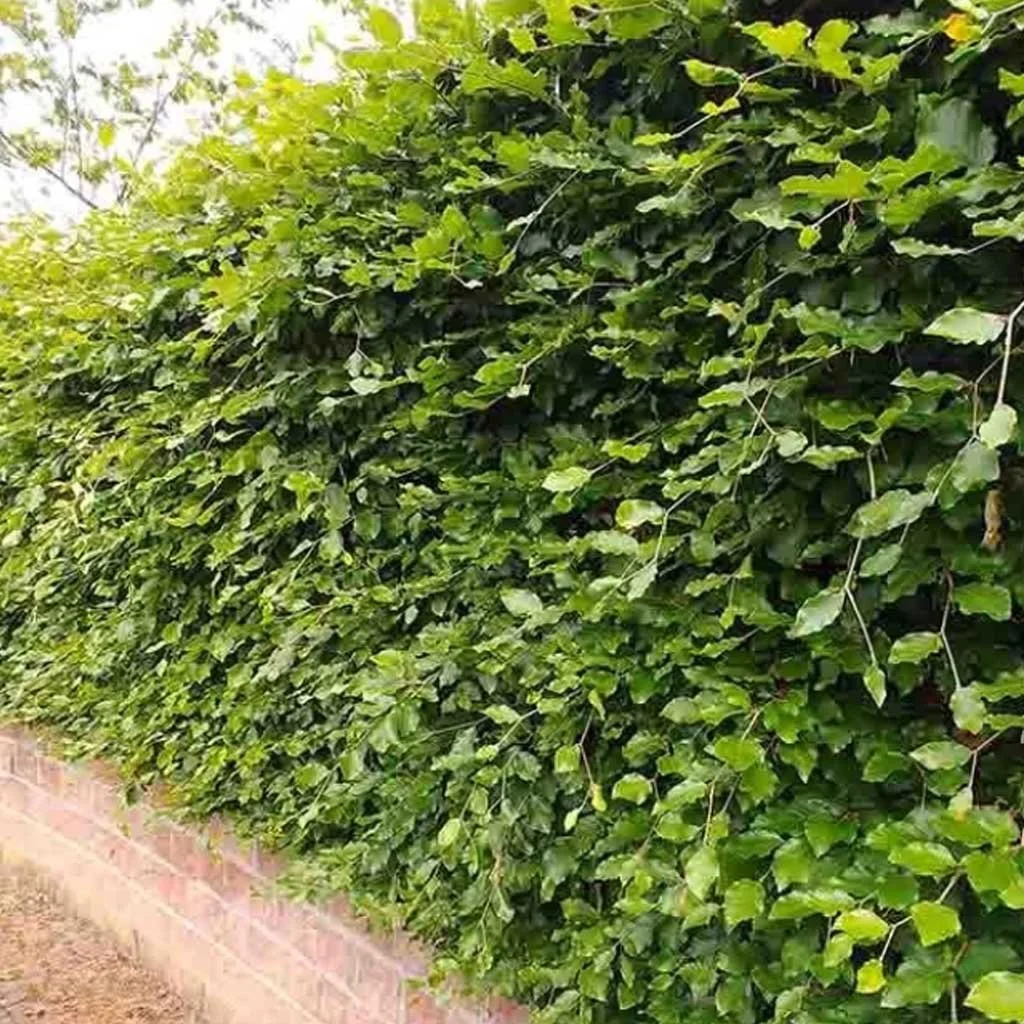
Green Beech
Traditional clipped hedging with seasonal colour and potential winter retention of dry leaves.
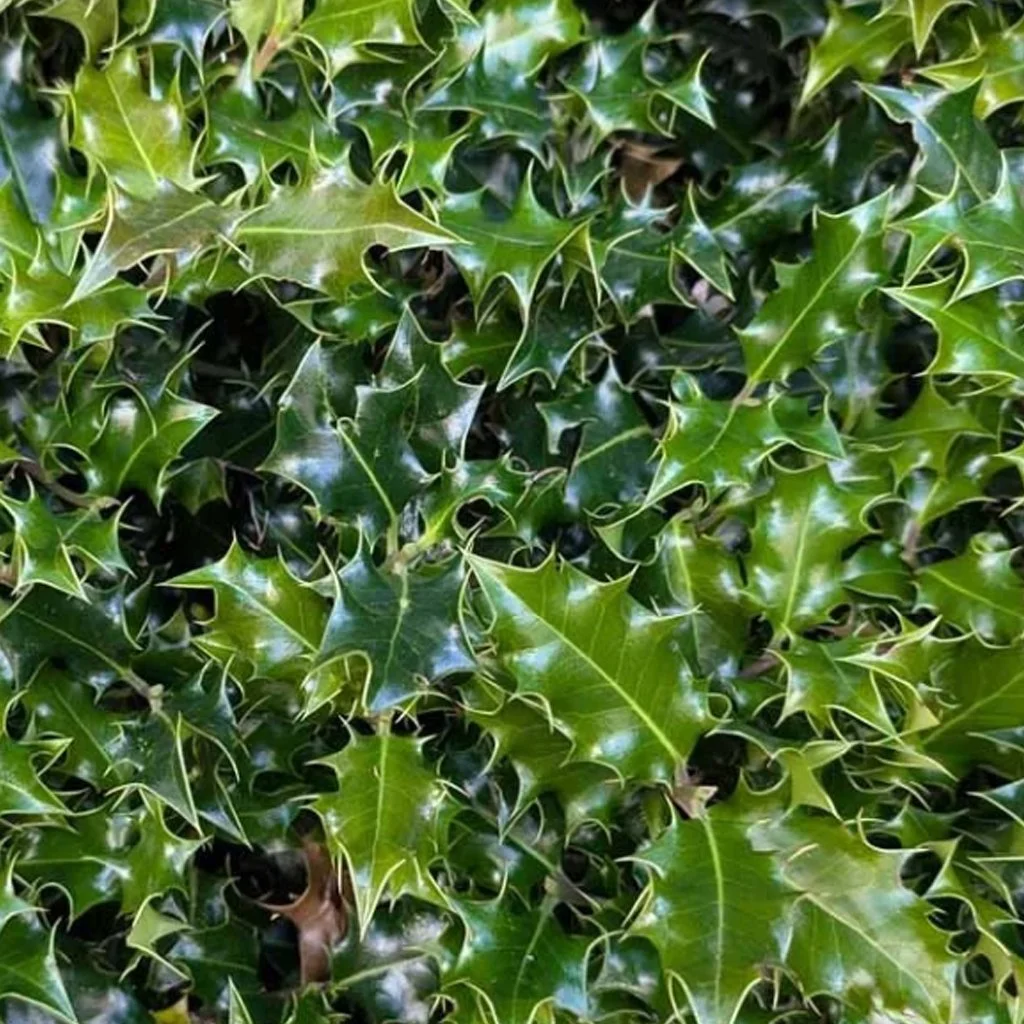
English Holly
Native evergreen hedging with often-spiny foliage, year-round structure and wildlife value.
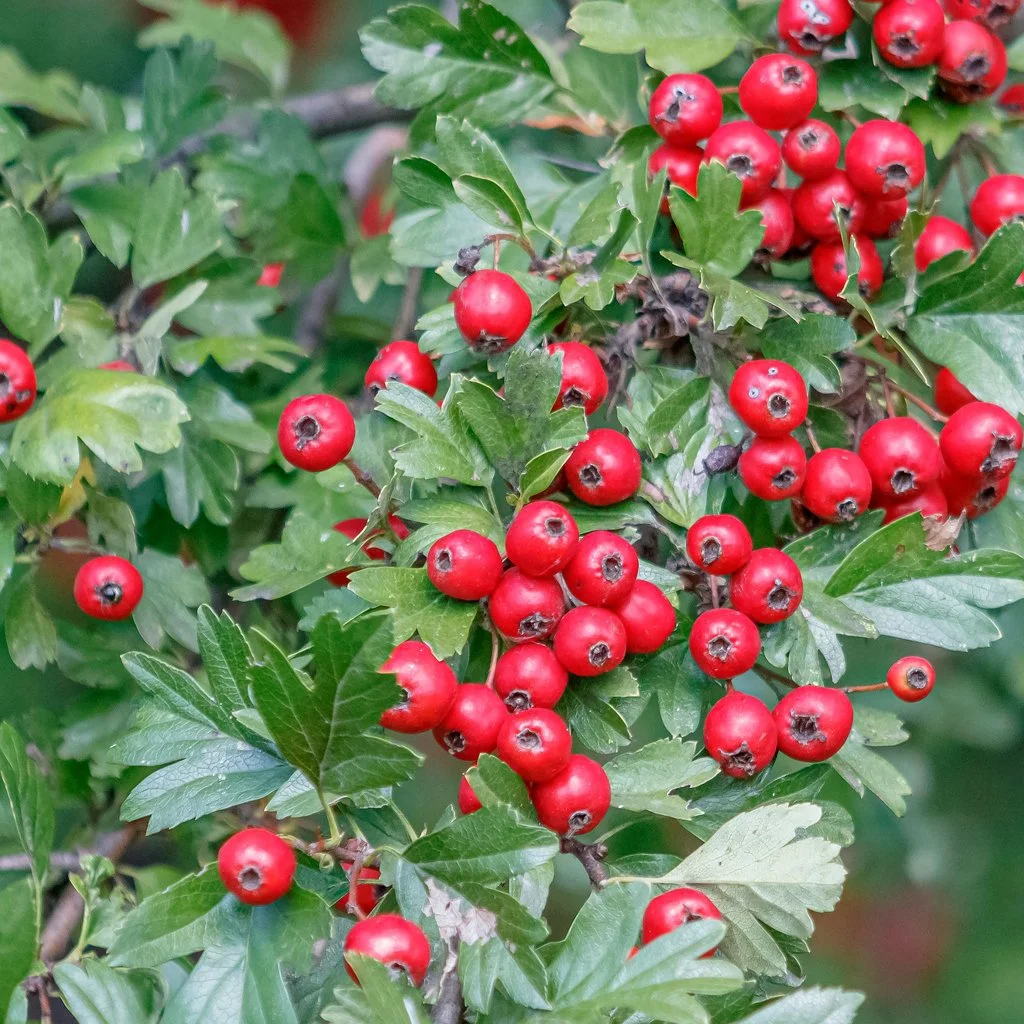
Hawthorn
Traditional native hedging with spring blossom, autumn berries and thorny growth for rural boundaries.
Plant sizes, stock types and availability vary by species and season.
Hedging for Smaller Gardens & Newer Properties
In smaller gardens, the maintained width of a hedge can be just as important as its eventual height.
A carefully clipped evergreen hedge can provide privacy and a consistent green boundary without requiring a large planting area.
However, all hedging requires sufficient rooting space, watering and access for maintenance.
Planting Beside Fences
Hedging can soften an existing fence, but plants should not be positioned so close that healthy growth and future trimming become difficult.
Recently Developed Gardens
Newer properties may have compacted ground, construction debris or imported topsoil.
Check drainage and soil structure before installing a new hedge, particularly where the proposed planting line follows a recently constructed boundary.
Choosing Hedging for Tattenhall's Garden Soils
Growing conditions around Tattenhall vary between individual gardens, developed residential plots and countryside properties.
Before selecting a hedge, consider soil texture, drainage, exposure, available light and root competition from established trees.
Heavier Ground
Hornbeam can be suitable for many heavier soils, provided they do not remain persistently waterlogged.
Well-Drained Ground
English Yew and Green Beech generally perform best where drainage is suitable.
Open Garden Boundaries
Hedges planted beside open countryside may be more exposed to wind than those in sheltered residential gardens.
Plant size, stability and watering requirements should be considered during establishment.
Check the Whole Boundary
Soil conditions can vary along the same hedge line. Investigate poorly drained areas before planting rather than assuming the entire boundary has uniform conditions.
Native Hedging for Tattenhall's Rural Edges
Native hedgerows can provide a natural transition between village gardens and the surrounding countryside.
They can also contribute to wildlife habitat through flowers, berries, dense branches and seasonal foliage.
Hawthorn for Traditional Boundaries
Hawthorn is a traditional native hedging species, valued for its spring blossom, autumn berries and thorny growth.
Mixed Native Hedgerows
Depending on the site, a mixed native hedge may combine Hawthorn with species such as Blackthorn, Hazel and Field Maple.
A mixed planting scheme can provide a varied appearance and a broader range of seasonal wildlife resources.
Rural Boundaries & Livestock
Where a hedge borders grazing land, species must be selected with the animals concerned in mind.
A newly planted hedge may also require protective fencing while it establishes.
Important Livestock Consideration
English Yew is highly toxic if ingested and must not be accessible to grazing animals, particularly horses.
Existing countryside hedgerows may also be protected by law. Check applicable requirements before removal or substantial alteration.
Bare-Root, Rootballed & Container-Grown Hedging
Bare-Root Hedging
Generally supplied during the dormant season and often economical for longer boundaries and native hedgerows.
Rootballed Hedging
Available in selected species and sizes, generally from mid-October to late April, weather permitting.
Container-Grown Hedging
Can offer additional flexibility in planting dates, subject to suitable ground conditions and aftercare.
Larger Hedging Plants
May provide earlier screening but require suitable access, handling and establishment care.
How Many Hedging Plants Will I Need?
The number of plants depends on hedge length, species, supplied plant size and recommended planting density.
Some rootballed hedging specifications use approximately three plants per linear metre, although the correct spacing must be confirmed for the selected stock.
For example, a 12-metre hedge planted at three plants per metre would require approximately 36 plants.
Bare-root hedging may need different spacing depending on plant size and whether a single or staggered row is specified.
How Much Does Hedge Supply & Planting Cost in Tattenhall?
The cost of a new hedge depends on the plants selected, their supplied size, the length of the boundary and the installation requirements.
Species & Plant Size
Different species, supplied heights and stock types have different nursery and handling costs.
Hedge Length
The length and planting density determine the quantity of plants required.
Ground Preparation
Existing vegetation, compacted soil, rubble and drainage issues can affect preparation costs.
Access & Installation
Narrow access, steps, sloping ground and larger plants can increase handling requirements.
Bare-root native hedging may offer an economical solution for longer rural boundaries during the appropriate planting season.
Larger evergreen plants can provide earlier privacy but generally involve a higher initial investment.
A project-specific quotation is more reliable than assuming a fixed price per linear metre.
Aftercare for Newly Planted Hedging in Tattenhall
Watering
New hedges need appropriate watering while roots establish. Monitor soil moisture and adjust watering to weather conditions.
Mulching
Suitable mulch can help retain moisture and reduce weed competition. Keep mulch clear of stems.
Weed Control
Maintain a reasonably weed-free planting strip during establishment to reduce competition for water and nutrients.
Formative Pruning
Appropriate early pruning helps develop a balanced, dense hedge. The timing depends on the species.
Wind & Stability
Check plant stability and supports where required, particularly on exposed rural boundaries.
Drainage
Monitor for persistent waterlogging and investigate problems before they affect establishment.
Professional Hedge Supply & Planting in Tattenhall
Landscaping Emporium works alongside Kirman Design to offer professional hedge supply and planting for suitable projects around Tattenhall.
Depending on the agreed specification, services may include plant selection, quantity calculations, delivery, ground preparation, setting out, planting, irrigation and aftercare advice.
Request a Hedge Planting Quotation
Measure Your Boundary
Provide your postcode, approximate hedge length and intended purpose.
Describe Your Site
Include photographs, preferred plant height, ground conditions and access information.
Review Your Options
Discuss suitable species, plant sizes, quantities and installation requirements.
Learn more about our professional hedge supply and planting service .
Hedging in Tattenhall & Surrounding Villages
We welcome hedging supply and planting enquiries from Tattenhall and nearby Cheshire communities.
Tattenhall
Evergreen privacy hedging and traditional village garden boundaries.
Burwardsley
Hedging for countryside gardens and rural boundaries.
Huxley
Native hedgerows and garden privacy planting.
Hargrave
Traditional hedging for established village properties.
Clutton
Evergreen screening and countryside boundary hedging.
Saighton
Residential garden hedging and professional planting enquiries.
Professional planting availability depends on location, project requirements and access.
Tattenhall Hedging FAQs
Which hedging plants are suitable for Tattenhall?
Yew, Portuguese Laurel, Hornbeam, Beech, Holly and Hawthorn may be suitable depending on the site.
Which hedge provides year-round privacy?
Evergreen species such as Yew, Portuguese Laurel and Holly can provide year-round screening where growing conditions suit.
Which hedging is suitable for smaller gardens?
Choose a species that tolerates regular clipping and can be maintained at an appropriate width and height.
Can I plant hedging alongside an existing fence?
Yes, where sufficient rooting space and maintenance access are available.
Which hedge is suitable for a rural boundary?
Hawthorn and suitable mixed native hedging are traditional options for countryside boundaries.
Which hedging tolerates heavier soils?
Hornbeam can tolerate many heavier soils, provided the ground is not persistently waterlogged.
How many hedging plants will I need?
Quantities depend on hedge length, plant size, species and recommended spacing.
How much does hedge planting cost in Tattenhall?
Costs depend on plant selection, quantity, ground preparation, access and installation requirements.
When is bare-root hedging available?
Generally during the dormant season, subject to weather and stock availability.
When is rootballed hedging available?
Generally from mid-October to late April, weather permitting and subject to availability.
Do newly planted hedges need watering?
Yes. Appropriate watering is important during establishment, especially during dry weather.
Can native hedging be planted beside livestock?
Potentially, but species selection must account for the animals concerned. Toxic plants such as Yew must not be accessible to grazing livestock.
Do you offer professional hedge planting in Tattenhall?
We welcome planting enquiries, subject to project requirements, location and access.
Can you help me choose the right hedge?
Use our Hedge Selector or complete the Hedging Enquiry Form.
Explore Hedging Across Cheshire
Visit our Cheshire Hedging Guide for regional plant selection and planting advice.
Explore nearby guides for Chester, Tarporley and Malpas.
Alternatively, browse our hedging plant collection or use the Hedge Selector.
Planning a New Hedge in Tattenhall?
Whether you need an evergreen privacy hedge, a traditional village garden boundary or native planting for a countryside property, explore our hedging plants or request a quotation.
Telephone: 01942 604976
Email: hello@landscapingemporium.co.uk
Selected by designers. Installed by professionals.